Reflux Differentiation
Reflux Esophagitis, Non-Erosive Reflux, and Reflux Laryngitis: What are the differences?
Although the names are similar, the tests and the location of the symptoms differ, and the response to acid-reducing treatments is not the same. To properly manage recurring reflux, we must examine why the esophagus and throat have become sensitive.
Reflux esophagitisis a condition where mucosal damage is visible via endoscopy, non-erosive reflux disease is a condition where reflux symptoms exist without damage, and reflux laryngitis is a condition centered on throat and larynx symptoms.
| Condition | Key Clues | Questions to Revisit |
|---|---|---|
| Reflux Esophagitis | Possible mucosal damage on endoscopy | Heartburn, acid reflux, swallowing discomfort |
| Non-erosive reflux | Typical reflux without endoscopic damage | Symptoms, tests, response to medication |
| Laryngopharyngeal Reflux | Feeling of something stuck in the throat, cough, hoarse voice | Relationship between Otolaryngological Causes and Posture |
| Functional heartburn | May not be consistent with acid reflux | Other causes of chest pain and sensory hypersensitivity |
These three names differ in the confirmed location rather than the severity of symptoms
Gastroesophageal reflux disease (GERD) is a broad category where stomach contents move up into the esophagus, causing discomfort or damage. Among these, if erosion of the esophageal mucosa is visible during an endoscopy, it is commonly called reflux esophagitis. Even if the endoscopy is normal, if heartburn and acid regurgitation recur and a link between reflux and symptoms is confirmed Non-Erosive Reflux Disease, it can be viewed as NERD.
Reflux laryngitis Alternatively, laryngopharyngeal reflux is centered on symptoms such as a feeling of something stuck in the throat, throat clearing, hoarseness, and frequent throat clearing. Because the boundary between esophageal disease and throat disease is not simple, it is inaccurate to say 'it is not reflux because the endoscopy is normal' or 'it is all due to stomach acid because the throat is uncomfortable.'
For reflux esophagitis, treatment to heal mucosal damage is important
A burning sensation in the chest heartburnand acid regurgitation are representative, but it can also appear as chest pain and swallowing discomfort. If erosion is confirmed via endoscopy, rather than stopping treatment as soon as symptoms decrease slightly, one must consider the treatment period required for mucosal recovery along with recurrence factors. Late-night snacks, overeating, the habit of lying down immediately after meals, and situations that increase abdominal pressure can easily lead to repeated reflux.
If food feels stuck, it is painful to swallow, or there is repeated vomitingbleeding or weight loss, lifestyle management alone is not sufficient. It must first be determined through necessary evaluations whether these changes are explained within the current reflux diagnosis.
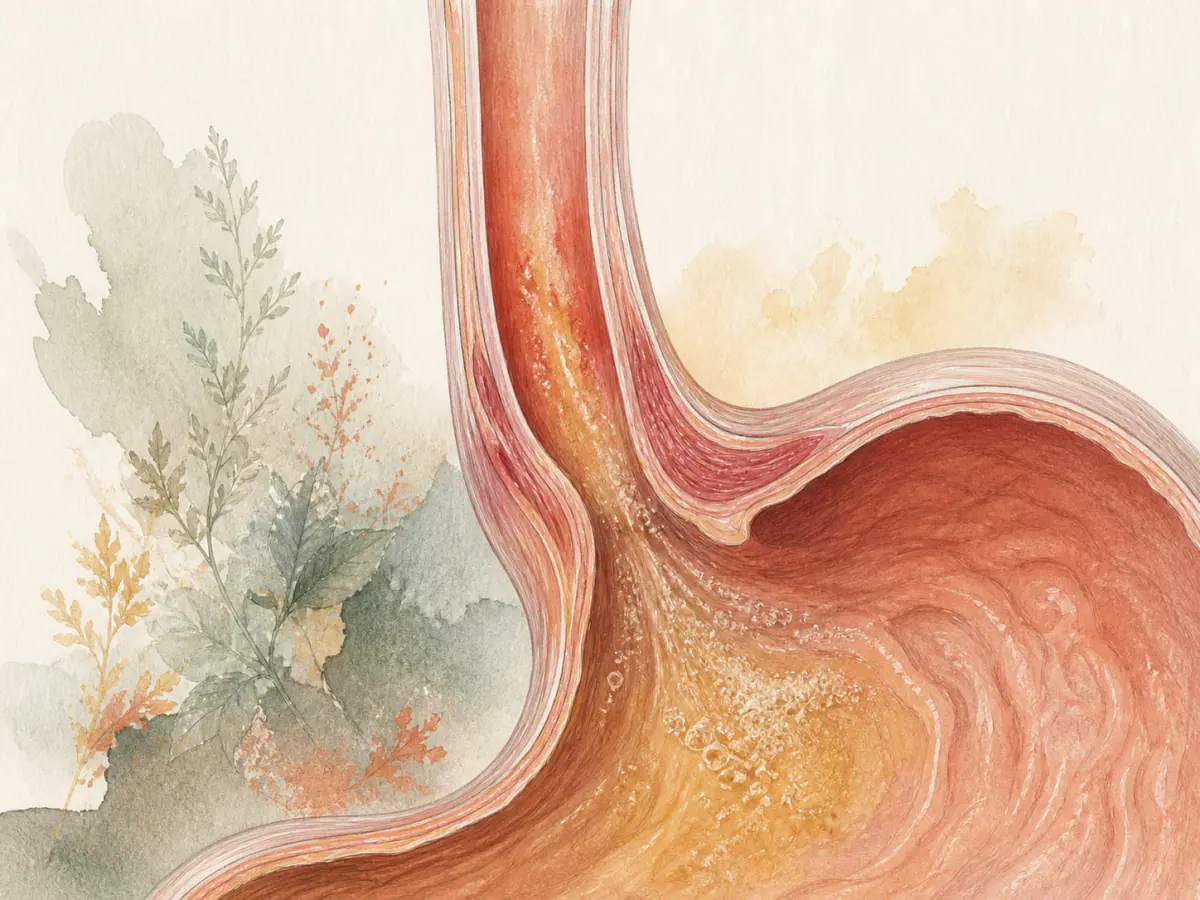
The evaluation of heartburn and acid reflux varies depending on the timing after meals, lying posture, and whether swallowing discomfort is present.
Non-erosive reflux may differ in the amount of acid and the sensitivity of the esophagus
A normal endoscopy means there are no visible wounds in the esophagus; it does not mean the discomfort is mild or imaginary. In reality, acid refluxsome have NERD where reflux recurs, while others have reflux hypersensitivity where symptoms feel severe even with reflux within the normal range, or functional heartburn that does not align with reflux events. This difference explains why the response to acid suppressants varies from person to person.
If heartburn remains despite sufficiently reducing acid, the dosage method is checked, and if necessary, reflux tests and esophageal function are re-evaluated. At Baekrokdam, we simultaneously examine whether heartburn spikes after tension, whether the solar plexus feels blocked and burpingthis increases, and whether lack of sleep and heat sensations in the upper body make the esophageal senses more sensitive.
In particular, if acid regurgitation decreases after taking acid suppressants but only heartburn remains, esophageal hypersensitivityone must reconsider reflux hypersensitivity or functional heartburn. Conversely, if heartburn is reduced but a feeling of something stuck in the throat and post-meal blockage remain, other causes of the throat and post-meal stagnation must be viewed together; therefore, it is safer not to simply conclude that the medication is too weak.
A feeling of something stuck in the throat and hoarseness may not be traces of stomach acid alone
Laryngopharyngeal reflux is more likely when throat symptoms worsen after lying down or after meals, and are accompanied by acid regurgitation and heartburn. However, with rhinitis and post-nasal drip, throat dryness, overuse of vocal cords, coughing habits, and certain medications can also cause similar symptoms. If you only have throat symptoms and do not respond to acid-suppressing treatment, it is better to re-verify the objective presence of reflux and potential ENT-related causes rather than simply increasing the medication dosage.
Frequently clearing your throat may feel refreshing momentarily, but it can further irritate the larynx. Lifestyle management, such as sipping lukewarm water, avoiding late-night meals, and resting your voice on days when you speak a lot, must accompany treatment.
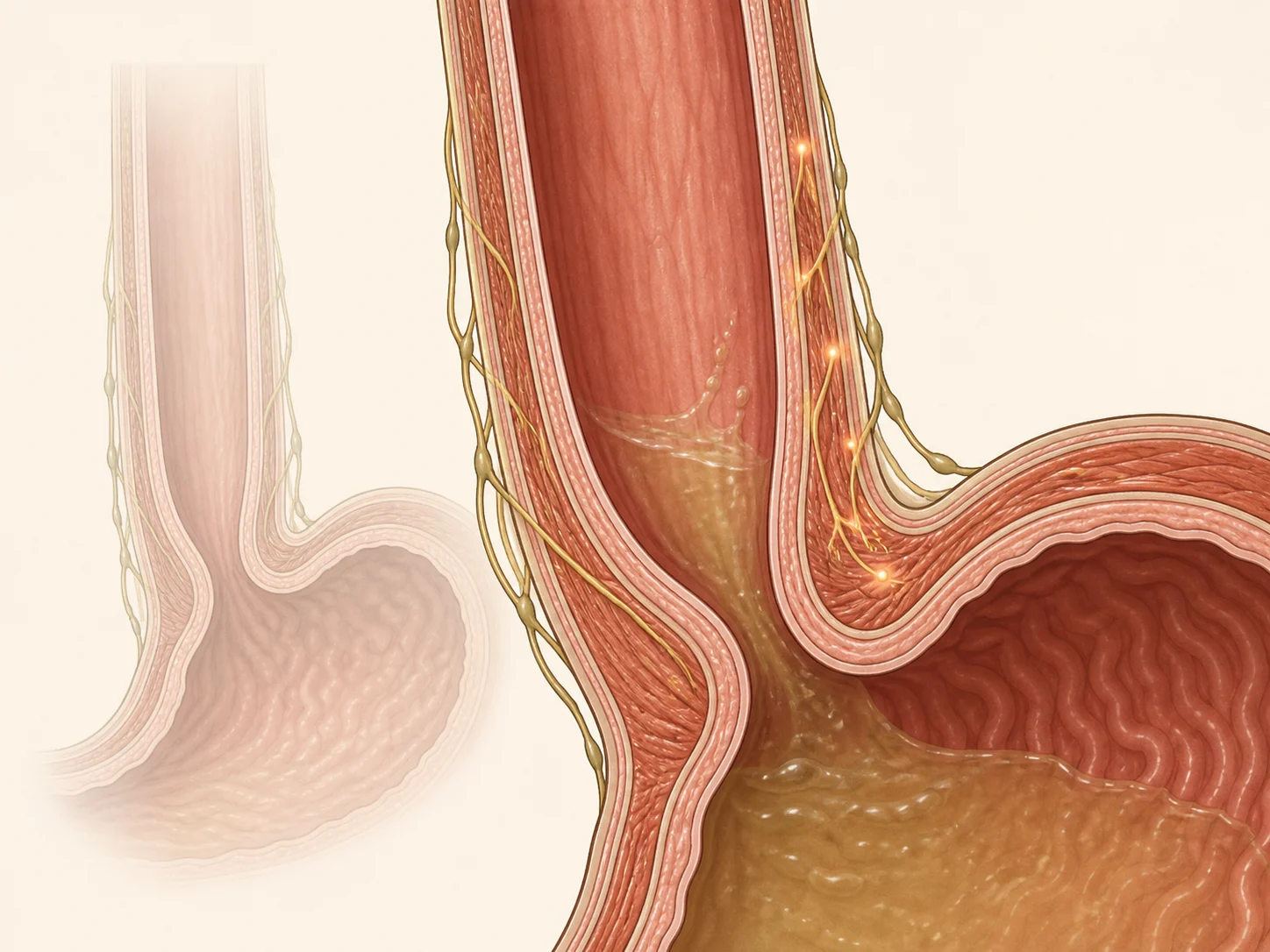
Even if no erosion is seen on an endoscopy, reflux events and esophageal hypersensitivity can lead to heartburn, chest tightness, and throat discomfort.
Korean medicine treatment considers both the force that causes reflux and the strength of the esophagus to withstand it.
At Baekrokdam, we prescribe Korean herbal medicine by categorizing patients into: stomach heat, characterized by significant acid reflux, heartburn, dry mouth, and thirst; and phlegm-fluid (Dameum), characterized by a blocked feeling in the solar plexus and throat with increased burping after stress; Qi stagnationFor conditions such as feeling of fullness, weak spleen-stomach with reduced energy even after small meals, and pronounced yin deficiency with nighttime dry bitter taste and heat sensations, herbal medicine is prescribed according to the specific pattern. Even when sharing the name "reflux," the approach to descending counterflow and the emphasis on protecting the mucosa and fluids differ.
Acupuncture treatment focuses on reducing tension around the solar plexus and diaphragm, as well as lowering excessive autonomic nervous system responses that occur after stress. Korean herbal medicine treatment aims to prevent stomach contents from lingering too long in the stomach, reduce hypersensitivity in the throat and esophagus, and restore a comfortable downward flow after meals.
Treatment response is evaluated by the overall flow after meals rather than just a single symptom like heartburn.
As recovery begins, the frequency of acid reflux after meals decreases, the duration of the blocked feeling in the throat when lying down shortens, and morning hoarseness and dry coughing diminish. It is also important to see if the solar plexus feels comfortable, the amount of food one can eat per meal recovers, and the fear of specific food groups disappears.
Treatment must not overlook mucosal healing for reflux esophagitis, the balance between actual reflux and sensory hypersensitivity for NERD, and other throat-related causes for laryngeal symptoms. Existing acid suppressors should not be stopped arbitrarily; instead, continue necessary treatment while using Korean medicine to regulate remaining stagnation, upward heat, hypersensitivity, and deficiency to change the bodily conditions prone to recurrence.
Reflux esophagitis, non-erosive reflux, and reflux laryngitis are not different stages of the same disease, but states where the proportions of mucosal damage, actual reflux, esophageal sensation, and throat symptoms differ. Korean medicine treatment is tailored to these differences.
Evidence and Update Information
This content was organized by Korean medicine doctor Choi Yeon-seung based on the materials below and was updated on 2026-09-02.
- American College of Gastroenterology: Patient With Heartburn in Your ClinicDifferences in evaluation between erosive esophagitis, NERD, reflux hypersensitivity, functional heartburn, and throat symptoms
- NIDDK: Acid Reflux
- Rome Foundation: Rome IV Criteria
- NIDDK: GERD symptoms and causesHeartburn, reflux, chest pain, swallowing difficulties, and cough; symptoms that should not be ignored, such as bleeding or weight loss