Damjeok Symptom Map
Where do Damjeok symptoms begin? The connection between the solar plexus, abdomen, and whole body
Rather than simply filling out a long list of symptoms, it is more important to identify the starting point among upper abdominal issues, gas, bowel movements, reflux, or systemic reactions. Depending on the starting point, the herbal medicine treatment for food stagnation, phlegm-fluid (Dameum), spleen and stomach weakness, or reverse flow (Sangyeok) will differ.
Damjeok-byeong Symptoms do not stay confined to the solar plexus. Early satiety, feeling full after just a few spoonfuls, post-meal bloating, burping, nausea, and changes in bowel movements often appear first. On days when digestion fails, the scope can expand to include fatigue, headaches, dizziness, and disrupted sleep.
| Symptom Axis | Representative Discomforts | Focus of Korean Medicine Treatment |
|---|---|---|
| Upper Abdomen | Early satiety, blockage in the solar plexus, post-meal pressure, nausea | Gastric adaptation and emptying, food stagnation, and weakness of the spleen and stomach |
| Gas and Bowel Movements | Abdominal bloating, frequent burping, diarrhea, constipation, feeling of incomplete evacuation | Qi stagnation, phlegm-dampness, and intestinal motility |
| Reflux and Throat | Acid reflux, heartburn, foreign body sensation in the throat, nighttime discomfort | Sang-yeok (reversal of qi flow), stomach heat, liver-stomach disharmony |
| Systemic | Fatigue, heavy head, dizziness, pulsating sensation, shallow sleep | Dam-eum (phlegm-fluid retention), deficiency of qi and blood, and the gut-brain/autonomic nerve connection |
When the primary symptoms are a blocked solar plexus and feeling full after eating very little
The most common starting point for Dam-jeok (phlegm accumulation) consultations is feeling full from the first few spoonfuls, making it difficult to finish a meal, or feeling as if the solar plexus is blocked like a stone for several hours after eating. burpingEven if you try, it may not feel relieving, or your food intake may continue to decrease due to nausea.
If it started suddenly after overeating Sik-jeokwe look at a high proportion of qi stagnation; however, if you have always found it difficult to last a single meal or feel drained of energy after eating, we look at insufficient adaptation and digestive power of the spleen and stomach. Even if the solar plexus blockage looks the same on the surface, the order of resolving stagnation and reinforcing weakness differs.
When abdominal bloating is followed by burping and changes in bowel movements
If upper abdominal discomfort leads to lower abdominal gas, diarrhea, or constipation, it is not just a problem of stomach fullness. Depending on whether the intestines are excessively fast or slow, whether abdominal pain decreases after bowel movements, or whether the urge to use the bathroom occurs immediately after eating, Irritable Bowel Syndromewe categorize the overlapping range.
If bloating appears together with a heavy head and nausea, we look at Dam-eum and Damsup (phlegm-dampness)if the abdomen becomes bloated after stress, accompanied by sighing and tightness in the flanks, we look more at qi stagnation. Korean herbal medicine treatment does not stop at forcibly removing gas, but aligns the movement speed of the stomach and intestines into a single flow.
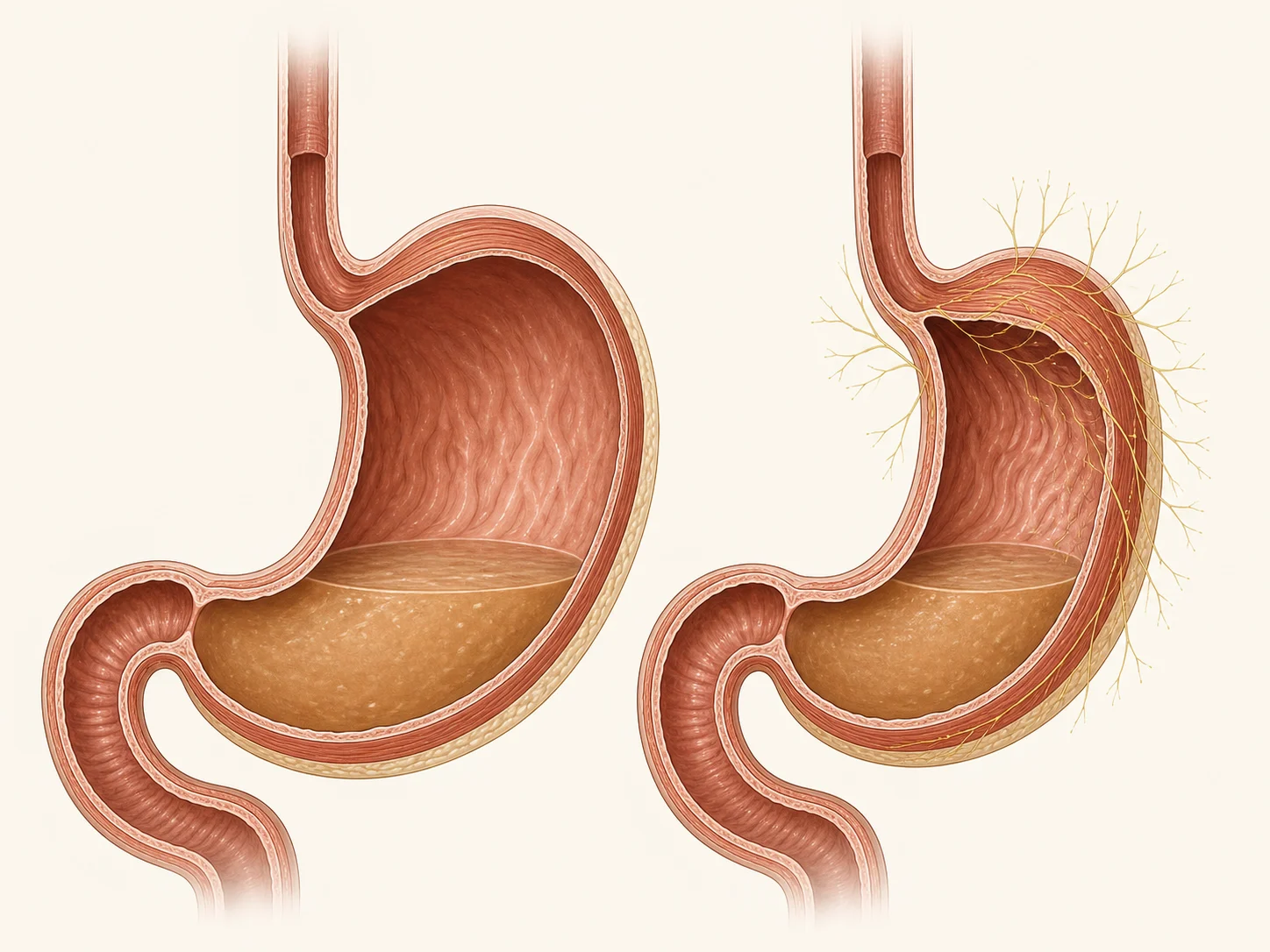
In functional dyspepsia, even without mucosal damage, differences in how the upper stomach adapts to and senses food after a meal can lead to early satiety and epigastric pressure.
When acid reflux, heartburn, and foreign body sensation in the throat are prominent, we examine the site of reflux
If you feel tightness in the solar plexus with acid reflux, or experience heartburn after lying down or eating late-night snacks, the evaluation and treatment of reflux diseases must be conducted together. Since a foreign body sensation in the throat and dry coughing are not always caused by stomach acid, we distinguish between actual reflux, esophageal sensitivity, and other causes in the throat and larynx.
In Korean medicine treatment, we focus on Sang-yeok (where the energy of the stomach fails to descend), but we further divide this into stomach heat (characterized by distinct burning sensations and dry mouth), liver-stomach disharmony (which worsens after tension), and Dam-eum (characterized by watery saliva and frequent nausea). We do not replace the treatment of reflux with the single term 'Dam-jeok'.
Fatigue, headache, and dizziness are included in the treatment when they follow the same pattern as digestion
Post-meal bloatingSome people experience a heavy head and poor concentration on days when this is severe, or dizziness and throbbing following nausea, which can even lead to shallow sleep at night. When discomfort in the meals and intestines disrupts the gut-brain signals and the autonomic nervous system, symptoms outside the gastrointestinal tract may intensify on the same day.
Conversely, headaches, dizziness, or chest symptoms that persist regardless of digestion require a separate evaluation. Baekrokdam does not categorize all symptoms as Damjeok (phlegm accumulation) simply because there are many; instead, we group only the axes of symptoms that actually improve and worsen together as a single flow for herbal medicine prescriptions.
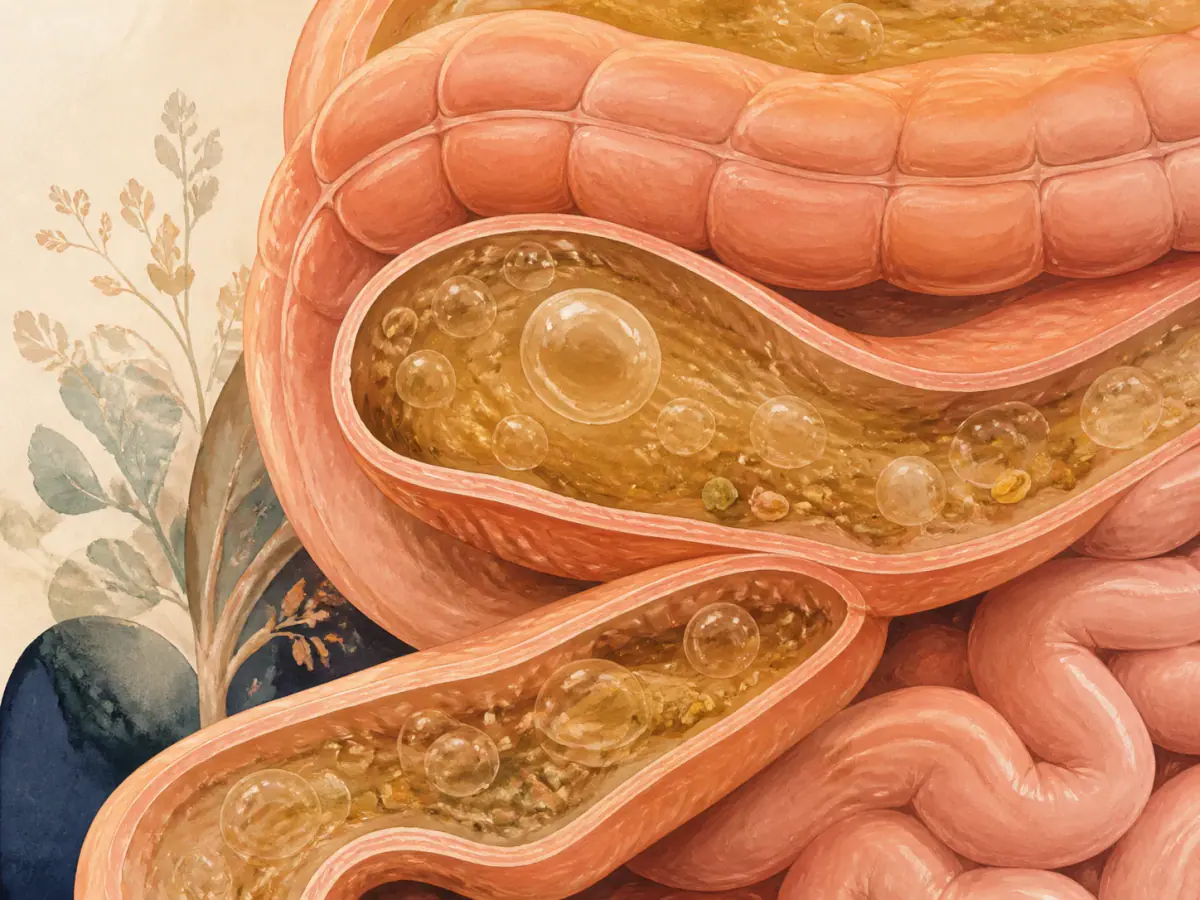
Not only the amount of gas, but also intestinal motility, constipation, food reactions, and sensory sensitivity can contribute to the perceived sensation of bloating.
The focus of the herbal medicine prescription varies depending on the starting point of the symptoms
If the solar plexus feels blocked and there is frequent burping after overeating, the focus is on resolving food stagnation (Sikjeok) and qi stagnation (Giche). If this overlaps with gas, nausea, and a heavy head, the focus shifts to treatment that clears phlegm-fluid (Dameum). If one feels exhausted even after eating very little, accompanied by loose stools and a feeling of coldness, Bi-wi-gi-heo (Spleen and Stomach Qi Deficiency)·we reinforce the deficiency-cold of the spleen and stomach.
If heat rises to the face, there is heartburn, and the mouth is dry, we address stomach heat; if the solar plexus and chest tighten together after stress, we address liver-stomach disharmony. Acupuncture treatment is used to reduce tension in the solar plexus, abdomen, and diaphragm, and is combined with herbal medicine treatment to ensure that gastrointestinal movement and Autonomic nervous system Administered alongside herbal medicine to help stabilize the response.
Recovery begins at the solar plexus and expands to meals, bowel movements, and sleep
When the treatment is effective, the duration of feeling blocked after eating first shortens, and the amount one can eat comfortably increases. Subsequently, gas and bowel movements stabilize, post-meal fatigue and head heaviness decrease, and sleep after dinner becomes easier, gradually restoring the range of daily activities.
A response to treatment does not mean all symptoms must disappear at once. We maintain the improvements in meals and bowel movements first, then shift the focus of the prescription to address remaining reflux, phlegm-fluid, or decreased energy. If difficulty swallowing, repeated vomiting·black stools, or unexplained weight loss newly occur, we re-verify the cause before continuing Damjeok treatment.
Damjeok symptoms can start with early satiety or a blocked solar plexus and lead to gas, bowel movement issues, reflux, and systemic discomfort. Baekrokdam identifies the starting point to differentiate between food stagnation, qi stagnation, phlegm-fluid, spleen-stomach deficiency, and reverse flow, expanding the scope of recovery from meals to sleep through herbal medicine and acupuncture.
Evidence and Update Information
This content was compiled by Korean medicine doctor Choi Yeon-seung and updated on 2026-08-31 based on the following materials.
- NIDDK: Symptoms & Causes of IndigestionDistinguishing early satiety, post-meal fullness, solar plexus pain, and bloating from other causes
- NIDDK: IndigestionTesting for indigestion and treatment flow by cause
- Rome Foundation: Rome IV CriteriaSymptom criteria for functional dyspepsia and irritable bowel syndrome
- PubMed: Acupuncture for functional dyspepsia, updated meta-analysisComprehensive clinical trials of acupuncture for functional dyspepsia
- PubMed: Herbal medicine for functional dyspepsiaOverall symptoms and post-meal fullness results of herbal medicine clinical trials for functional dyspepsia