IBS Subtypes
Diarrhea-predominant, Constipation-predominant, and Mixed-type IBS: What are the differences?
IBS-D, IBS-C, and IBS-M are not names based solely on stool shape. We determine the direction of herbal medicine and acupuncture treatment by looking at how abdominal pain, urgency, and the feeling of incomplete evacuation disrupt daily life, as well as the underlying reasons why the bowel becomes too fast or too slow.
Irritable Bowel Syndromeshares the commonality of recurring abdominal pain and changes in bowel movements, but the treatment cannot be the same for those with urgent diarrhea, those blocked by constipation, or those who fluctuate between the two states.
| Subtype | Primary Bowel Movement Pattern | Prominent Discomfort in Daily Life |
|---|---|---|
| Diarrhea-predominant IBS-D | Loose stools, urgency | Urgent need for a restroom after meals and anxiety when going out |
| Constipation-predominant IBS-C | Hard stools, feeling of incomplete evacuation | Lack of relief even when straining, remaining bloating and abdominal pain |
| Mixed type IBS-M | Recurrence of both diarrhea and constipation | Treatment direction fluctuates due to alternating patterns of blockage and urgency |
The commonality among the three subtypes is that recurrent abdominal pain is linked to bowel movements
loose stoolsHaving only hard stools does not necessarily mean you have Irritable Bowel Syndrome (IBS). It is closer to IBS when the frequency or shape of stools changes on days when you have abdominal pain, and when a pattern of pain changing before and after bowel movements repeats. Bloating, gas, and a feeling of incomplete evacuation often overlap.
Diarrhea-predominant type,constipationconstipation-predominant type, and mixed type are categorized based on the shape of abnormal stools on the days they occur, but a person's subtype is not fixed for life. The dominant discomfort can change depending on treatment, diet, stress, menstruation, and the state of the intestines following an infection.
For the diarrhea-predominant type, urgency and post-meal reactions may be greater issues than the frequency of movements
In IBS-D, life can be significantly restricted by the need to find a restroom immediately due to abdominal cramping after eating, or by having multiple bowel movements before leaving home in the morning. Even if the frequency of movements is not very high, it is a critical target for treatment if there is an unbearable sense of urgency and significant exhaustion after bowel movements.
The approach varies even within the diarrhea-predominant type depending on whether diarrhea occurs immediately after eating cold food, whether abdominal painanxiety in the morning occurs simultaneously with the urge to defecate, or whether heat sensations, thirst, and strong-smelling stools are prominent. Rather than simply stopping the intestines, it is necessary to simultaneously reduce the excessive intestinal reaction and abdominal pain.
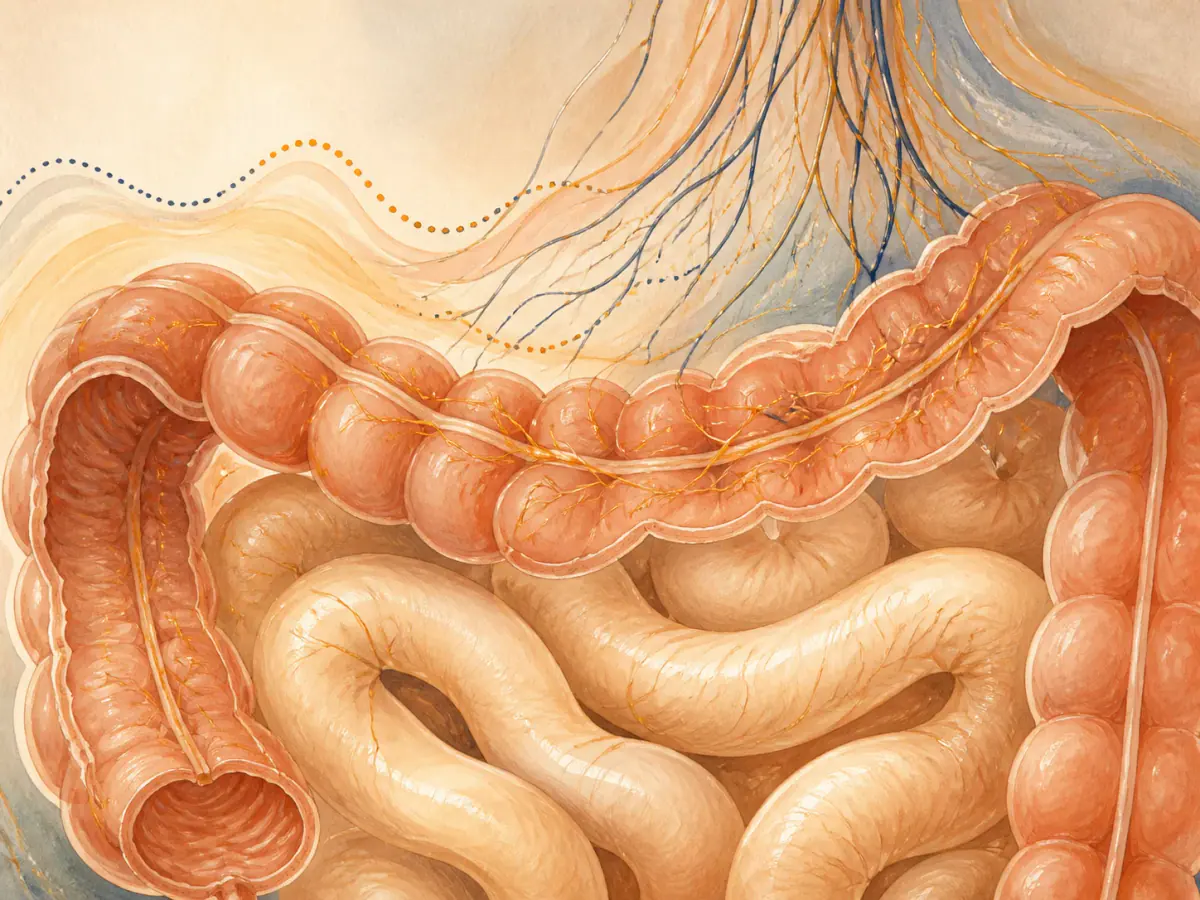
Even without structural damage, if the interaction between intestinal motility and sensation changes, abdominal pain, diarrhea, and constipation may recur.
For the constipation-predominant type, hardness, straining, and the feeling of incomplete evacuation are considered alongside frequency
In IBS-C, in addition to hard stools and straining, there may be pain as if the abdomen is filling up, a lack of relief after bowel movements, and a tendency to reduce food intake due to fear of the next movement. Even if you go to the restroom every day, if only a small amount is passed and abdominal pain remains, the frequency alone cannot be considered normal.
We distinguish whether dry stools result from a lack of water, whether excretion is blocked because the abdomen and pelvis tense up during stress, or whether intestinal movement slows down as food intake and energy levels drop. This difference determines whether to increase fiber, first relieve tension and abdominal pain, or reinforce intestinal movement and recovery capacity.
The mixed type must move away from treatment that simply alternates between blocking diarrhea and treating constipation
IBS-M fluctuates between two extremes, such as being blocked by hard stools for several days followed by sudden loose stools and abdominal pain. When laxativesstrong laxatives are used during constipation and antidiarrheals are used to block movements during diarrhea, the original intestinal waves mix with the effects of the medication, making it difficult to determine the next course of treatment.
The goal for the mixed type is not solely to produce stools of the same shape every day. It is more important to reduce the intensity of abdominal pain and the amplitude between hard stools and watery diarrhea, so that meals and outings are not constantly canceled based on the state of the intestines.
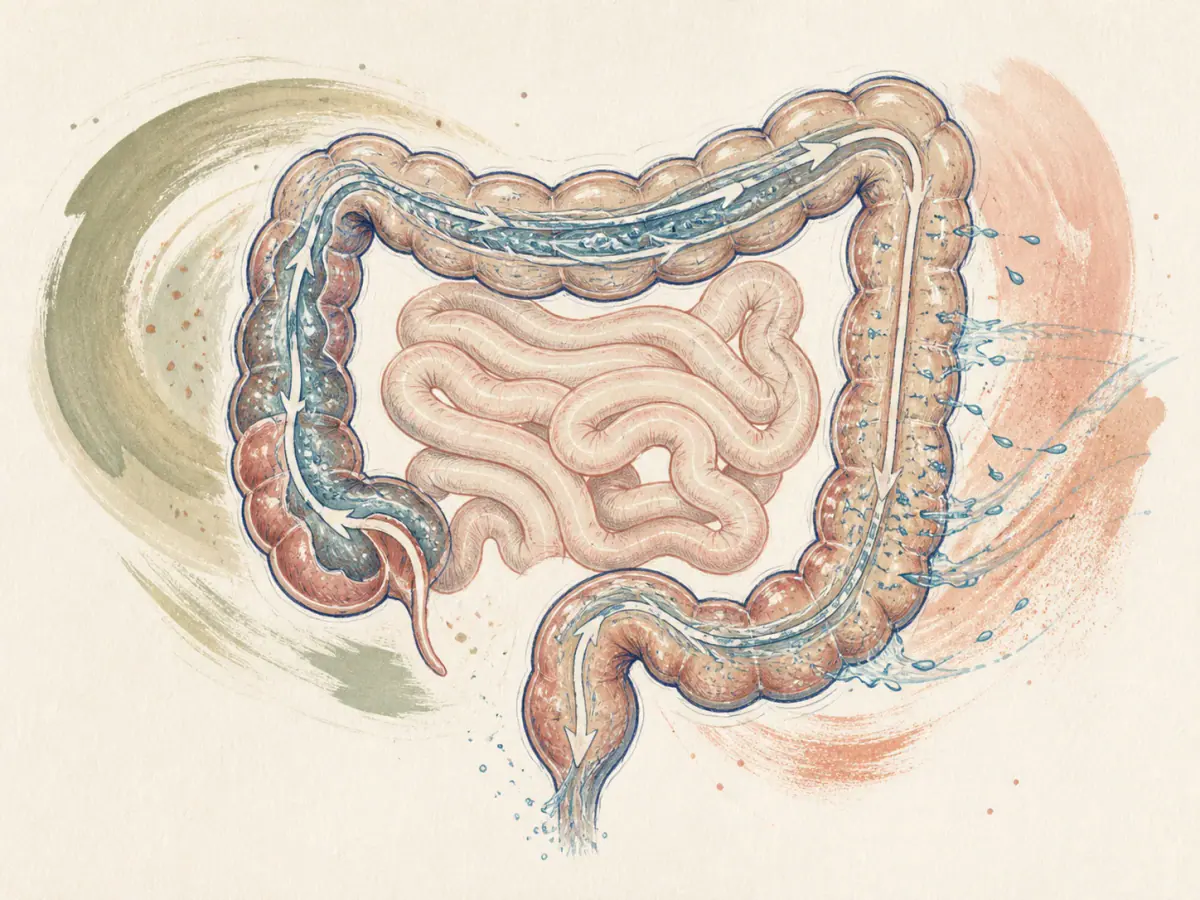
Distinguishing the duration of loose stools, nighttime symptoms, and the timing before and after food or medication intake helps in determining the priority of tests.
Korean medicine treatment prescribes based on the subtype plus the reason why the intestines are unstable
A person who has urgent diarrhea after cold food and fatigue but feels comfortable when the abdomen is warm; a person whose abdomen feels tight and painful during stress with fluctuating stool patterns; stuffy feelingand a person with overlapping sticky stools and heat sensations will receive different Korean herbal medicine prescriptions even if they all have IBS-D. For IBS-C, the prescription also varies depending on whether dryness is central, whether it is blocked by tension, or whether the intestines are slow due to decreased energy.
At Baekrokdam, we examine the digestive capacity of the spleen and stomach, tension and intestinal hypersensitivity expressed as liver-qi stagnation, and the proportions of coldness, damp-heat, and fluid deficiency according to the actual sequence of symptoms. We treat to recover the freedom of eating and going out by regulating abdominal pain and bowel movement waves with Korean herbal medicine, and reducing abdominal tension and the gut-brain hypersensitivity reaction with acupuncture.
Improvement is measured by the predictability of daily life rather than just the shape of the stool
For the diarrhea-predominant type, the frequency of rushing to the restroom after meals and anxiety before going out should decrease; for the constipation-predominant type, the time spent straining and tenesmusbloating should be shortened. For the mixed type, it is important whether the interval between the two extremes decreases and whether the time it takes to return to a normal state after a flare-up becomes shorter.
Before your consultation, rather than keeping a detailed daily log, it is sufficient to describe the most common stool shape over the past week, how abdominal pain changes before and after bowel movements, and whether urgency or a feeling of incomplete evacuation disrupts your daily life more. We use this information to adjust your current subtype and the priorities of your Korean medicine treatment.
IBS-D, IBS-C, and IBS-M differ not only in stool shape but also in how abdominal pain, urgency, and a feeling of incomplete evacuation disrupt daily life. Baekrokdam adjusts herbal medicine and acupuncture treatments by considering factors such as coldness, tension, damp-heat, dryness, and decreased vitality to restore predictability to the bowel.
Evidence and Update Information
This content was compiled by Korean medicine doctor Choi Yeon-seung and updated on 2026-08-31 based on the following materials.
- NIDDK: Irritable Bowel Syndrome
- Rome Foundation: Rome IV Criteria
- NIDDK: IBS symptoms and causesRecurring abdominal pain associated with bowel movements, changes in bowel habits (diarrhea, constipation, or mixed), bloating, and a feeling of incomplete evacuation