
Reflux laryngitis: Read in the order of your curiosity
Before using the term 'functional' lightly
Foreign body sensation in the throat and hoarseness can be caused by various factors other than reflux
Reflux laryngitis, specifically in laryngopharyngeal reflux, symptoms such as hoarseness and voice changes, frequent throat clearing or coughing, globus sensation (feeling as if a lump is caught in the throat), the feeling of phlegm accumulating, or a sore throat may recur after meals or during the night and morning. This can occur even without heartburn or acid regurgitation, but these symptoms alone cannot confirm reflux. Colds, allergies, post-nasal drip, vocal overuse, vocal cord nodules, polyps, paralysis, and other laryngeal causes can produce similar symptoms. If you experience difficulty breathing, stridor (high-pitched wheezing), food or water getting stuck, blood-tinged secretions, a lump in the throat, or weight loss, do not wait for reflux to resolve and seek prompt medical evaluation.
Symptom Branching
Throat and voice clusters: Dividing overlapping causes and symptoms that must be checked first
Rather than focusing solely on the presence of heartburn, we first examine the timing of symptom clusters and the safety of swallowing and breathing.
| Symptom Scenario | Possible Interpretation | Next action |
|---|---|---|
| Dry coughing after meals or at night, and hoarseness in the morning | Suspected laryngopharyngeal reflux (LPR) pathway | Record timeline of meals, lying down, and throat symptoms |
| Nasal congestion, feeling of post-nasal drip, and phlegm | Overlaps with rhinitis or nasal causes | Connect nasal symptoms with laryngeal examination |
| Vocal fatigue or hoarseness after speaking for a long time | Possibility of vocal overuse or vocal cord disease | Record vocal strain and check vocal cords |
| Persistent hoarseness, lump in the throat, or blood-streaked saliva | Possibility of structural laryngeal causes | Prompt otolaryngology (ENT) evaluation |
| Shortness of breath, stridor, or progressive dysphagia | Airway or swallowing risk | Immediate medical evaluation |
When to seek medical attention first
Changes that should not be ignored when experiencing reflux laryngitis symptoms
The following conditions require priority checking for airway, swallowing, bleeding, or structural laryngeal diseases.
- Difficulty breathing, stridor when inhaling, or choking
- Food or water getting stuck, progressively worsening difficulty swallowing, or repeated aspiration
- Vomiting blood, black stools, coughing up blood, or a lump in the throat with unexplained weight loss
- If hoarseness persists or if you have suddenly and completely lost your voice
When a feeling of something stuck in the throat and throat clearing persist without a clear cause
Why we look at gastric reflux, esophageal sensation, dryness, and tension rather than just the throat
Causes other than reflux must be distinguished for feelings of something stuck in the throat, hoarseness, and frequent throat clearing. In recurring cases, we evaluate post-meal gastric reflux, phlegm stagnation (damgiulgyeol), throat dryness and sensory hypersensitivity, and tension-related autonomic responses. Byeonjeung (pattern identification)does.
Throat symptoms can arise from various causes other than acid reflux
We examine voice usage, rhinitis, dryness, and tension alongside actual acid reflux and heartburn.
Addressing the cycle where throat clearing creates further irritation
We reduce the cycle where throat clearing due to a foreign body sensation makes the mucous membranes more sensitive.
Treatment that extends to the timeline between the stomach and the throat
We observe the onset and recovery times after meals, sleep, speaking, and tension.
Treatment GoalsWe aim to reduce the frequency of throat clearing and the feeling of something stuck in the throat, and increase the time the throat feels comfortable after speaking, eating, and sleeping.
Consultation for reflux laryngitis via meal and bowel movement records
Since hoarseness and a feeling of something stuck in the throat can have various causes other than reflux, we also check the duration, voice usage, and changes in swallowing.
The illustrations showing the processes occurring in the body are simplified explanations to help understand the location and changes of symptoms; they do not represent an individual's test results or treatment outcomes.If you have had these experiences
For those who constantly clear their throat during meetings and find their voice becoming husky by the afternoon
Causes other than reflux must be distinguished for feelings of something stuck in the throat, hoarseness, and frequent throat clearing. In recurring cases, we perform pattern identification for post-meal gastric reflux, phlegm stagnation (damgiulgyeol), throat dryness and sensory hypersensitivity, and tension-related autonomic responses.
For those who cough at night after eating late and lying down, or those whose first voice in the morning is rough
acid suppressantsWhen foreign body sensation, throat clearing, and hoarseness recur even with treatment
For those who have no heartburn but experience recurring foreign body sensation and hoarseness
When there are no major issues on tests, but conversation, meetings, and sleep are continuously disrupted
For those who still have throat discomfort and cannot determine a single cause even after rhinitis treatment or reflux medication
Stagnation in the epigastric regionburping·When anxiety, dry mouth, and throat symptoms occur together
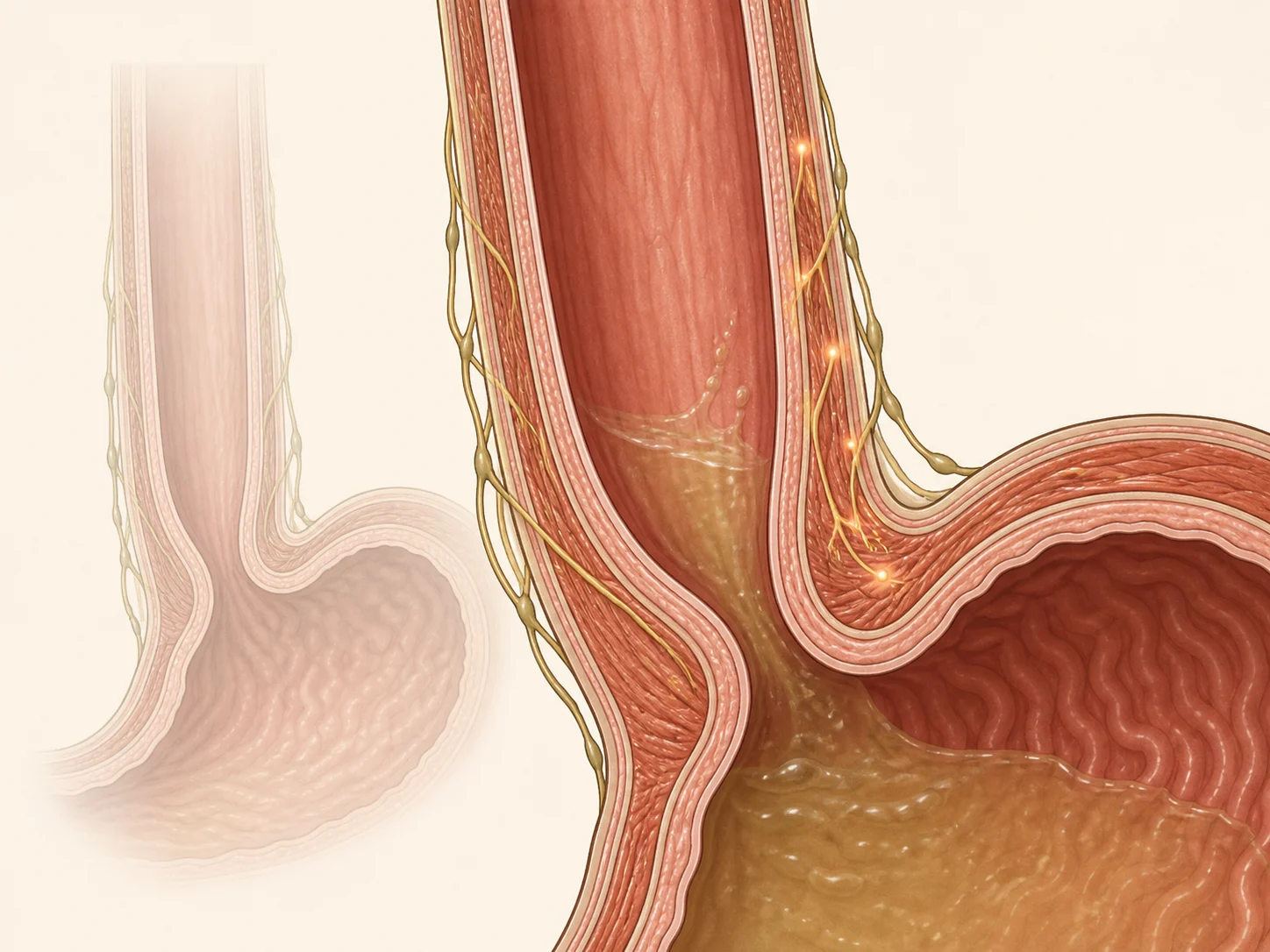
Even if no erosion is seen on an endoscopy, reflux events and esophageal hypersensitivity can lead to heartburn, chest tightness, and throat discomfort.
Conceptual reference · NIDDK: GERDThis is how we approach the medical evaluation
Reflux Laryngitis: Why we examine test results and dietary discomfort together
In reflux laryngitis, also known as laryngopharyngeal reflux, symptoms such as hoarseness, voice changes, frequent throat clearing or coughing, a globus sensation (feeling like a lump is stuck in the throat), a feeling of phlegm accumulating, or a sore throat may recur after meals or at night and in the morning. These can occur even without heartburn or acid regurgitation, but these symptoms alone cannot confirm reflux. Colds, allergies,post-nasal drip, vocal overuse, and other laryngeal causes such as vocal cord nodules, polyps, or paralysis can create similar symptoms. If you experience difficulty breathing, stridor (high-pitched wheezing), food or water getting stuck, blood-tinged sputum, a lump in the throat, or weight loss, do not wait for reflux to be the cause and seek prompt medical evaluation.
Prioritizing the evaluation of breathing, swallowing, bleeding, and persistent hoarseness
We check for stridor, choking, actual food blockage, blood, throat lumps, and weight changes to determine if immediate medical evaluation and laryngoscopy are required.
Connecting meals, nighttime patterns, throat clearing, and vocalization
We review meal times, the time you lie down, nighttime coughing, hoarseness or vocalization duration during the morning and work, and nasal congestion or post-nasal drip within the same record.
Tracking only the remaining discomfort after ruling out other causes
While maintaining laryngeal, vocal, and nasal evaluations and necessary treatments, we set the frequency of throat clearing and the return to sleep, meetings, and classes as secondary goals.
Reasons why it may not heal well
Reflux Laryngitis: Why dietary discomfort may persist even after tests
Throat discomfort, hoarseness, and frequent throat clearing require differentiation of causes beyond reflux. When they recur, we differentiate postprandial reflux, phlegm with a sticky sensation, throat dryness and hypersensitivity, and autonomic responses related to tension.
Throat symptoms can arise from various causes other than acid reflux
We examine vocal use, rhinitis, dryness, and tension together with actual acid regurgitationheartburnsimultaneously.
Identifying the cycle where throat clearing creates further irritation
We aim to reduce the cycle where a foreign body sensation leads to hacking coughs, which in turn makes the mucous membranes more sensitive.
Treatment that extends to the timeline between the stomach and the throat
We monitor the onset and recovery times following meals, sleep, speaking, and tension.
How to keep a symptom timetable
Reflux Laryngitis: Meal Schedules are More Important Than Food Names
Please prepare information regarding meal and bedtime, nighttime coughing or throat clearing, changes in voice and speaking duration during the morning or work, nasal symptoms, swallowing, breathing, bleeding, weight, and the results of your larynx examination.
For hoarseness, record changes occurring in the morning and while speaking
Record the roughness of your first voice of the day, afternoon vocal fatigue, and the amount of time you can speak to compare these with reflux episodes after meals or at night.
Throat clearing and coughing can mutually increase irritation
We examine whether there is a cycle where you frequently clear your throat due to a foreign body sensation, and the impact of that clearing further roughens your voice.
The absence of heartburn does not rule out the condition
Even if laryngopharyngeal reflux is suspected, typical heartburn may be absent. In such cases, other causes of throat symptoms must also be investigated.
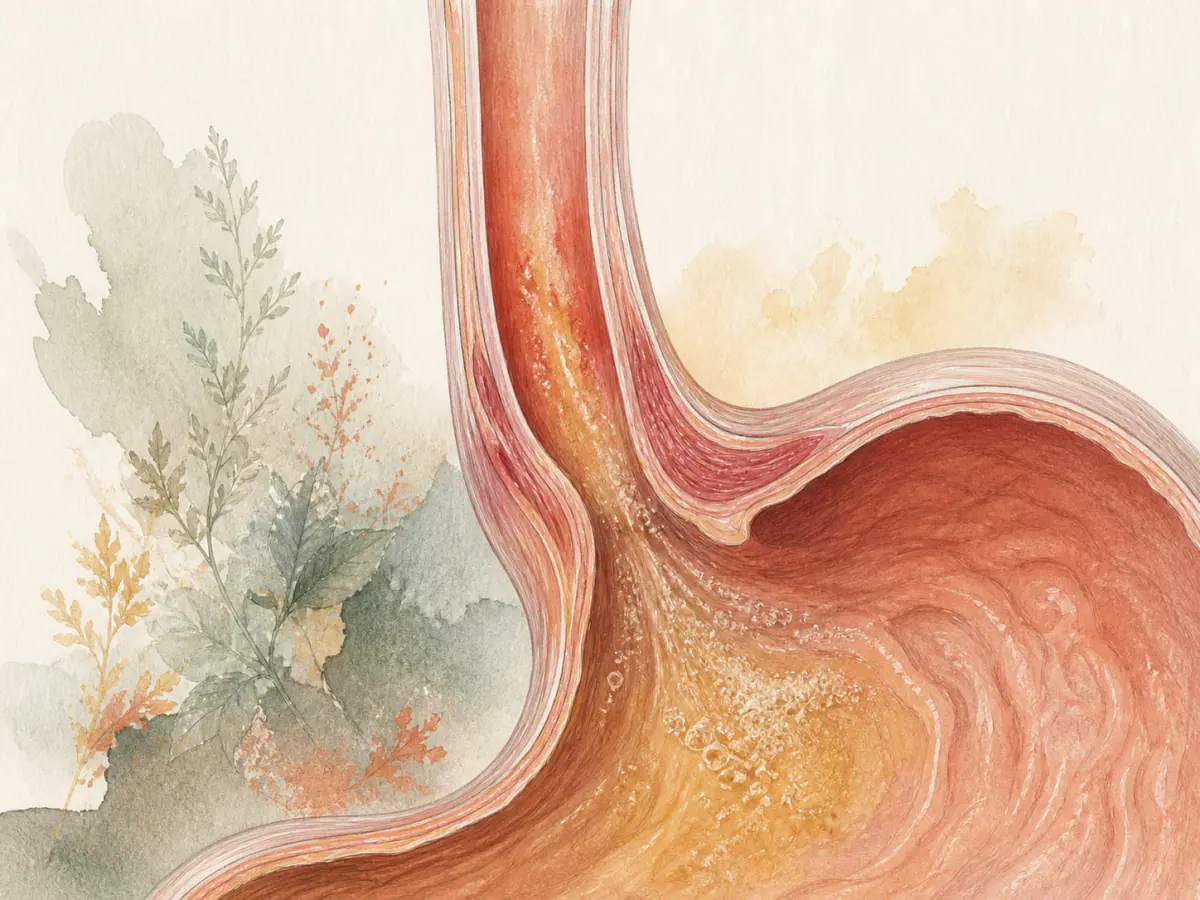
The evaluation of heartburn and acid reflux varies depending on the timing after meals, lying posture, and whether swallowing discomfort is present.
Conceptual reference · NIDDK: GERDHerbal Medicine Pattern Identification for Reflux Laryngitis
Why Prescriptions for Reflux Laryngitis Differ Based on Coldness, Stagnation, Heat, or Tension
Under the common symptom of feeling like something is stuck in the throat, we distinguish between sticky phlegm and stuffiness, hot reflux, a dry and sensitive throat, and a tightening response during tension.
When something feels stuck in the throat, cannot be swallowed, and feels stuffy
We check for recurring foreign body sensation, dry coughing, or sighing, even if there is not much phlegm. We ask if these occur alongside chest tightness, abdominal bloating, or tension. We lower the pressure in the throat and the epigastric region by resolving phlegm and blocked Qi.
When acid reflux and burning sensations rise to the throat
We check for clear acid reflux after meals or at night, as well as throat soreness or a bitter taste. We confirm if symptoms worsen after irritating foods or are accompanied by upper body heat, dry mouth, or insomnia. We lower gastric heat and upward reflux to soothe the thermal irritation in the throat.
When the throat is dry, feels sore while speaking, and causes coughing
We check if dryness, tickling, and hoarseness are more prominent than mucus. We ask about dry mouth and nose, nighttime heat sensations, lack of sleep, and a lean body type. We supplement the fluids in the throat and stomach to reduce friction and sensory hypersensitivity.
Changes to monitor during treatment
Recovery to observe in the next meal
The goal is to reduce the frequency of foreign body sensation and dry coughing, and to increase the time the throat feels comfortable after speaking, eating, or sleeping.
Relationship Between Throat Symptoms and Eating, Sleeping, and Voice Use
By recording the 'Relationship Between Throat Symptoms and Eating, Sleeping, and Voice Use' along with the times before and after meals, we observe whether the amount of food intake and the time it takes to feel comfortable actually change.
Accompanied by Acid Reflux, Heartburn, Burping, or Epigastric Stagnation
By recording 'Accompanied by Acid Reflux, Heartburn, Burping, or Epigastric Stagnation' along with the times before and after meals, we observe whether the amount of food intake and the time it takes to feel comfortable actually change.
Dry Mouth, Rhinitis, Tension, Sleep, and Response to Medications
By recording 'Dry Mouth, Rhinitis, Tension, Sleep, and Response to Medications' along with the times before and after meals, we observe whether the amount of food intake and the time it takes to feel comfortable actually change.
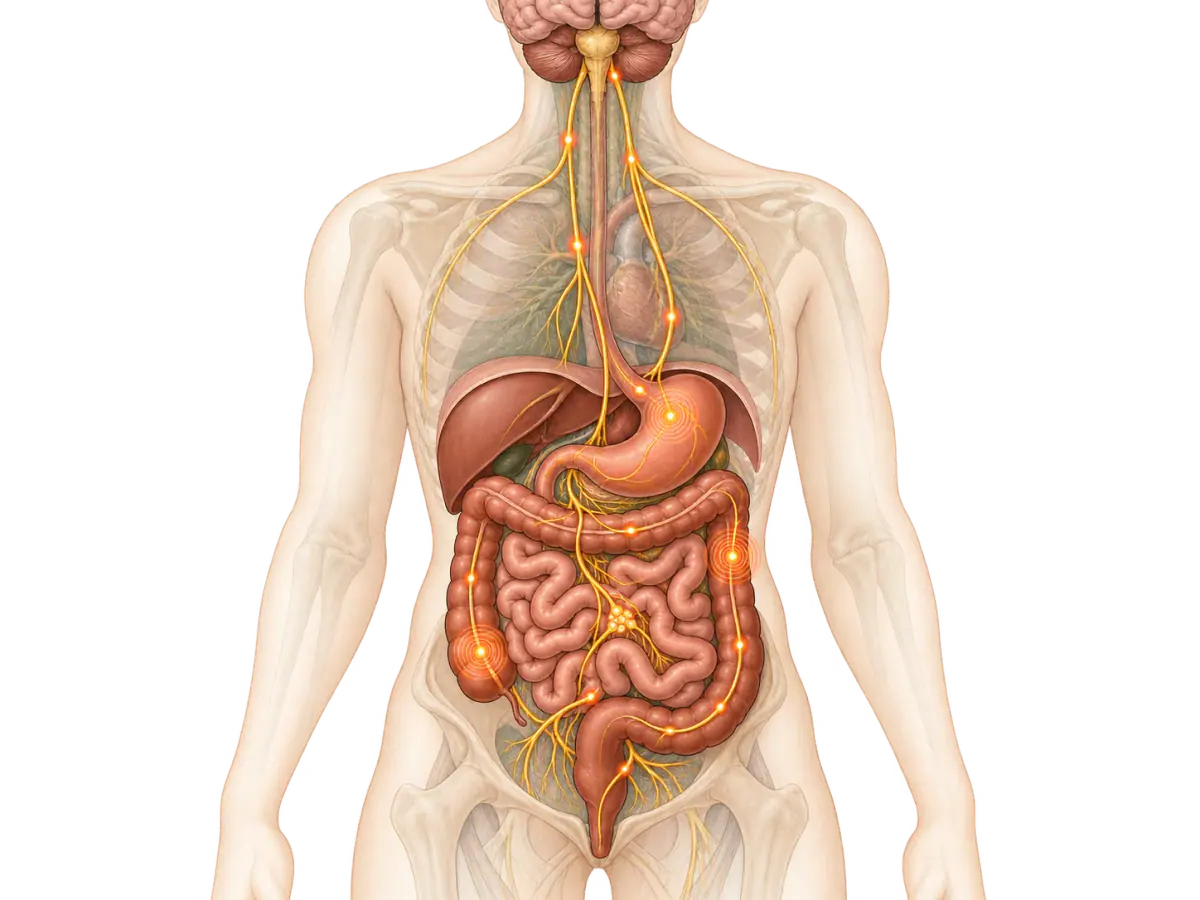
Even if tests show no significant structural abnormalities, the regulation of the autonomic and enteric nervous systems, sensory sensitivity, and motility rhythms can vary depending on meals, sleep, and stress.
Conceptual reference · NIDDK: Disorders of Gut-Brain InteractionAt the crossroads of gastrointestinal motility, sensation, and the gut-brain response
Throat discomfort is categorized into four types: Phlegm-Qi Stagnation, Stomach Heat Upsurge, Lung-Stomach Yin Deficiency, and Liver Qi Stagnation/Autonomic type.
While they all share the common feeling of something being stuck in the throat, we distinguish between sticky phlegm with a feeling of oppression, hot reflux, a dry and sensitive throat, and a tightening response during tension.
Pattern identification is not about arbitrarily adding a disease name to test results. A single person may experience a combination of decreased gastric motility, hypersensitivity, body heat, cold sensations, and tension; if the primary symptoms change based on diet, bowel movements, or sleep, the proportions of the prescription are adjusted accordingly.
When something feels stuck in the throat, cannot be swallowed, and feels oppressive
- Changes to observe in digestive symptoms
- We check for repeated foreign body sensation, throat clearing, and sighing, even if there is not much phlegm.
- Changes to observe in the rest of the body
- We ask if chest tightness, abdominal bloating, and tension occur alongside the symptoms.
- Prescription priority
- We resolve phlegm and blocked Qi to reduce pressure in both the throat and the epigastric region.
When acid and a burning sensation rise up to the throat
- Changes to observe in digestive symptoms
- We check for distinct post-meal or nighttime acid reflux, throat soreness, and a bitter taste.
- Changes to observe in the rest of the body
- We check for upper body heat, dry mouth, insomnia, and worsening after eating irritating foods.
- Prescription priority
- We lower stomach heat and upsurge to soothe febrile irritation in the throat.
When the throat is dry, feels sore as you speak, and causes coughing
- Changes to observe in digestive symptoms
- We check if dryness, tickling, and hoarseness are more prominent than mucus.
- Changes to observe in the rest of the body
- We ask about dry mouth and nose, nighttime heat sensations, lack of sleep, and a lean body type.
- Prescription priority
- We replenish the fluids of the throat and stomach to reduce friction and sensory hypersensitivity.
When the throat and chest tighten simultaneously during meetings or anxiety
- Changes to observe in digestive symptoms
- We check if the foreign body sensation and the need to clear the throat increase sharply during stressful situations compared to usual.
- Changes to observe in the rest of the body
- We check for palpitations, shortness of breath, dizziness, and insomnia.
- Prescription priority
- We lower tension-induced upper body heat and autonomic responses, and help relax the diaphragm and stomach.
Order of prescription adjustment
- Distinguish between throat-related causes and accompanying gastrointestinal symptoms
We check the relationship between rhinitis, voice changes, dryness, and actual reflux or bloating.
- Determine the primary focus among phlegm, heat, dryness, and tension
Prescriptions are based on the direction in which throat and systemic clues move at the same time.
- Adjust treatment by monitoring the recovery of throat clearing and speaking ability
We monitor whether the daily frequency of throat clearing, voice duration, and nighttime awakenings decrease.
Why consider Korean herbal medicine treatment now?
- When a foreign body sensation in the throat, chronic throat clearing, or hoarseness persists despite using acid suppressants
- When there are no major issues found in tests, but conversations, meetings, or sleep are continuously disrupted
- When throat symptoms occur together with epigastric stagnation, burping, anxiety, or dry mouth
What is evaluated in herbal medicine treatment for this condition
- Relationship between throat symptoms and eating, sleeping, and voice use
- Accompanied by acid reflux, heartburn, burping, or epigastric stagnation
- Dry mouth, rhinitis, tension, sleep, and reactions to medications
Prioritize evaluation of breathing, swallowing, bleeding, and persistent hoarseness
We check for stridor, choking, actual food getting stuck, blood, throat lumps, or weight changes to determine if immediate medical evaluation and laryngoscopy are required.
Connect eating and nighttime patterns with throat clearing and vocalization
We review meal times, the time you lie down, nighttime coughing, hoarseness and vocalization duration during the morning and work, nasal congestion, and post-nasal drip in a single record.
Track only the remaining discomfort after ruling out other causes
While maintaining larynx, voice, and nasal treatments, we set the frequency of throat clearing and the return to normal sleep, meetings, and classes as supplementary goals.
Things to prepare before the consultationPlease prepare information regarding meal and lying-down times, nighttime coughing and throat clearing, voice changes and vocalization duration during the morning and work, nasal symptoms, swallowing, breathing, bleeding, weight, and larynx examination results.
If bleeding, anemia, worsening difficulty swallowing, persistent vomiting, unexplained weight loss, or nighttime diarrhea newly occur, they must be re-evaluated even if past tests were normal. After ruling out these cases, we focus on herbal medicine treatment for chronic or recurring functional digestive symptoms.
Consult about the progress of reflux laryngitisGastrointestinal Glossary
Additional information to know regarding reflux laryngitis
You can proceed to a detailed explanation after confirming the simple meaning.Frequently Asked Questions
Frequently Asked Questions about Reflux Laryngitis
Can it be laryngopharyngeal reflux even if I don't have heartburn?
Yes, it can. Only a hoarse voice, throat clearing, coughing, or a feeling of a lump in the throat may appear, but since other causes are also common, they must be distinguished.
How is post-nasal drip different from reflux laryngitis?
Both can cause a feeling of phlegm, coughing, and throat clearing. We evaluate nasal congestion, sneezing, runny nose, post-meal or nighttime patterns, and perform examinations of the larynx and nasal cavity.
When should I have my larynx checked if my voice is hoarse?
If it persists, or if there is difficulty breathing, a lump in the throat, or blood,dysphagiayou should have your vocal cords checked at an otolaryngology (ENT) clinic early on.
Does frequent throat clearing make the symptoms worse?
Repeated throat clearing can cause the vocal cords to collide again, prolonging voice discomfort. While identifying the cause, please record the frequency and the situations that trigger it.
Why does reflux laryngitis occur?
It occurs when stomach contents pass through the reflux defenses at the bottom and top of the esophagus and rise up to the throat and larynx, irritating the tissues. Physical conditions, diet, and posture also play a role.
Can it be reflux laryngitis even if I don't have heartburn?
Yes, it can. Laryngopharyngeal reflux may present only as throat clearing, coughing, or a hoarse voice without heartburn, but this is distinguished from other causes through a laryngeal examination.
Which foods cause reflux laryngitis?
There is no single food that is the cause for everyone. Please record the amount and timing of meals, posture after eating, and any foods or drinks that repeatedly trigger symptoms for you.
Evidence and Update Information
Dr. Choi Yeon-seung, a Korean medicine doctor, composed this based on the official professional materials and disease-specific clinical data below, and updated the content on 2026-08-26.
- AAO-HNS: Position Statement: Laryngopharyngeal RefluxHoarseness, throat clearing, coughing, globus sensation, the possibility of heartburn, and the non-specific nature of symptoms
- NIDCD: HoarsenessDifferential diagnosis and clinical boundaries between LPR-related heartburn/hoarseness and voice overuse or vocal cord diseases
- ACG: Clinical Guideline for GERDThe principle of first evaluating non-GERD causes for extra-esophageal symptoms and not confirming a diagnosis based solely on symptoms or laryngoscopy
- AAO-HNS ENT Health: GERD and LPRThe process of LPR where stomach contents reflux up to the pharynx and larynx, and the context of causes such as hiatal hernia, motility disorders, and gastric emptying
- UHCW NHS: Voice advice sheet: RefluxThe process of reflux passing the lower and upper sphincters into the throat, and aggravating factors such as large meals, lying down after eating, and abdominal pressure
- AAO-HNS: Dysphonia Laryngeal ExaminationLaryngoscopy for persistent hoarseness and clues for prompt medical evaluation of breathing, throat lumps, and voice-related occupations
- ENT Health: Laryngopharyngeal Reflux Management and Lifestyle ChangesAdjustment of diet, posture, smoking, and alcohol; H2 blockers, PPIs, alginates, laryngeal examination, and differential diagnosis of swallowing symptoms
- Stanford Health Care: Laryngopharyngeal Reflux ProtocolLifestyle adjustments and prescribed acid suppression therapy, recovery of the throat and larynx, and re-evaluation of treatment response
- CUH: Acid Reflux and Your VoiceThe vicious cycle of voice deterioration caused by reflux irritation and repeated throat clearing, and the connection to diet, sleep adjustment, and voice management