Probiotics and Trial and Error
When Gas Persists Despite Switching Probiotics and Digestive Aids
Rather than buying another product, we analyze whether bloating starts in the stomach, worsens after constipation, or if there is a reason to check for SIBO or food intolerance, and explain the intestinal flow that Korean herbal medicine treatment will address.
Lactic acid bacteriaIf gas continues to build up even after switching probiotics and digestive aids, it is difficult to view it as a problem of gut bacteria alone. A treatment direction is established by examining how the speed of food leaving the stomach, constipation and bowel movements, the amount of fermenting food, and intestinal sensation overlap.
| Symptoms | Primary Cause to Evaluate | Treatment Direction |
|---|---|---|
| Upper abdomen feels full immediately after meals | Early satiety, gastric emptying, and burping | Improving the downward flow from the stomach |
| Lower abdomen feels bloated starting from the afternoon | Fermented foods, intestinal sensation, and bowel movements | Gas expulsion and intestinal tension |
| Severe bloating following constipation | Delayed intestinal transit and feeling of incomplete evacuation | Restoring bowel movement rhythm |
| Diarrhea and gas following antibiotics | Recovery of intestinal environment and mucosa | Digestive capacity and range of tolerable foods |
It may not be that probiotics are unsuitable, but that the source of the gas is different
Responses to probiotics vary depending on the strain and dosage, and they are not a cure for all types of bloating. Gas may increase during the initial stages of intake, constipationand if fermentation increases while the gas remains, the abdomen may feel even more tight and uncomfortable.
Digestive aids also play different roles depending on whether they assist with stomach acid, digestive enzymes, or gastrointestinal motility. Rather than changing multiple products at once, you must first determine whether the primary issue is upper abdominal fullness, lower abdominal bloating, abdominal painTo reduce trial and error, you must first determine whether gas or bowel movements is the main issue.
The feeling of being bloated involves a combination of stomach, intestinal, and bowel movement issues
If the upper abdomen becomes hard immediately after a meal burpingand there is a blockage, we first examine stomach adaptation and emptying. If the lower abdomen swells from the afternoon and feels better after a bowel movement, the impact of intestinal transit, constipation, and fermentable carbohydrates may be greater.
Even if the actual waist circumference does not increase, if the intestines are sensitive, you may feel significant pressure and pain. Eating habits that involve swallowing air frequently, carbonated drinks, and eating quickly also have an effect, but we do not blame lifestyle habits alone; Intestinal motilitywe must treat both motility and sensation together.
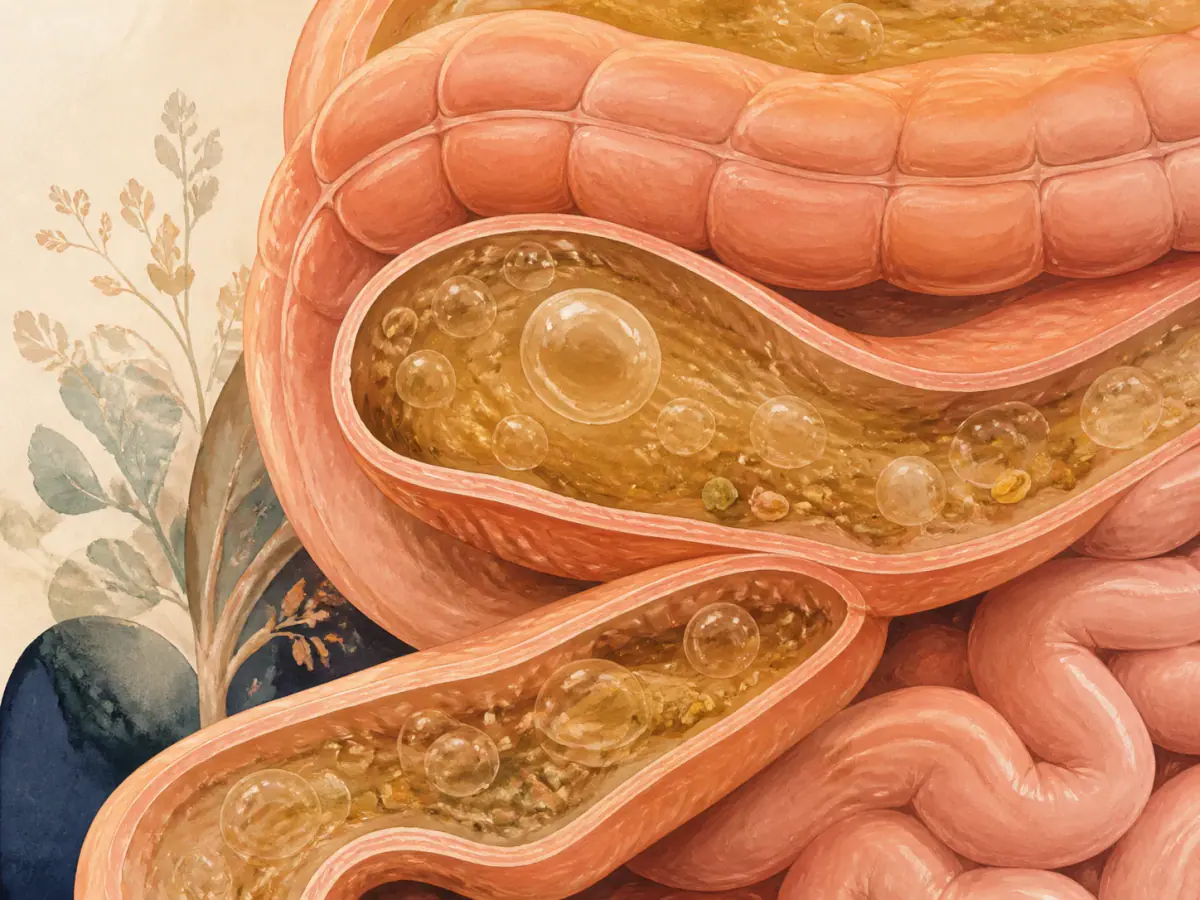
Not only the amount of gas, but also intestinal motility, constipation, food reactions, and sensory sensitivity can contribute to the perceived sensation of bloating.
We do not repeatedly prescribe antibiotics and probiotics based solely on the name SIBO
SIBOCommonly mentioned symptoms include bloating, abdominal pain, and diarrhea, but these symptoms alone cannot be definitive. We identify risk factors such as decreased gastrointestinal motility, surgical history, or structural issues, and interpret breath tests and treatment responses together when necessary.
If confirmed by testing, we follow the treatment for the cause, but we do not attribute recurrence solely to intestinal bacteria. If intestinal transit is slow, constipation persists, or food intake has decreased excessively, treatment to restore motility and nutritional status is also required.
Instead of only reducing fermentation, Korean medicine treatment addresses both blocked flow and digestive capacity
If you experience post-meal bloating, trapped burps, and constipation, we address food stagnation and Qi stagnationhelp resolve these to improve the flow from the stomach to the intestines. If gas recurs alongside loose stools and fatigue, we strengthen the digestive power of the spleen and stomach; if nausea and dizziness occur together, we apply Korean herbal medicine treatment to manage phlegm-fluid (dam-eum).
If abdominal bloating, abdominal pain, and urgency increase with tension, we place more emphasis on liver-spleen disharmony and the gut-brain axis regulation. Acupuncture treatment is used in parallel to address both abdominal tension and intestinal motility, aiming to reduce the pressure that remains even after bowel movements.
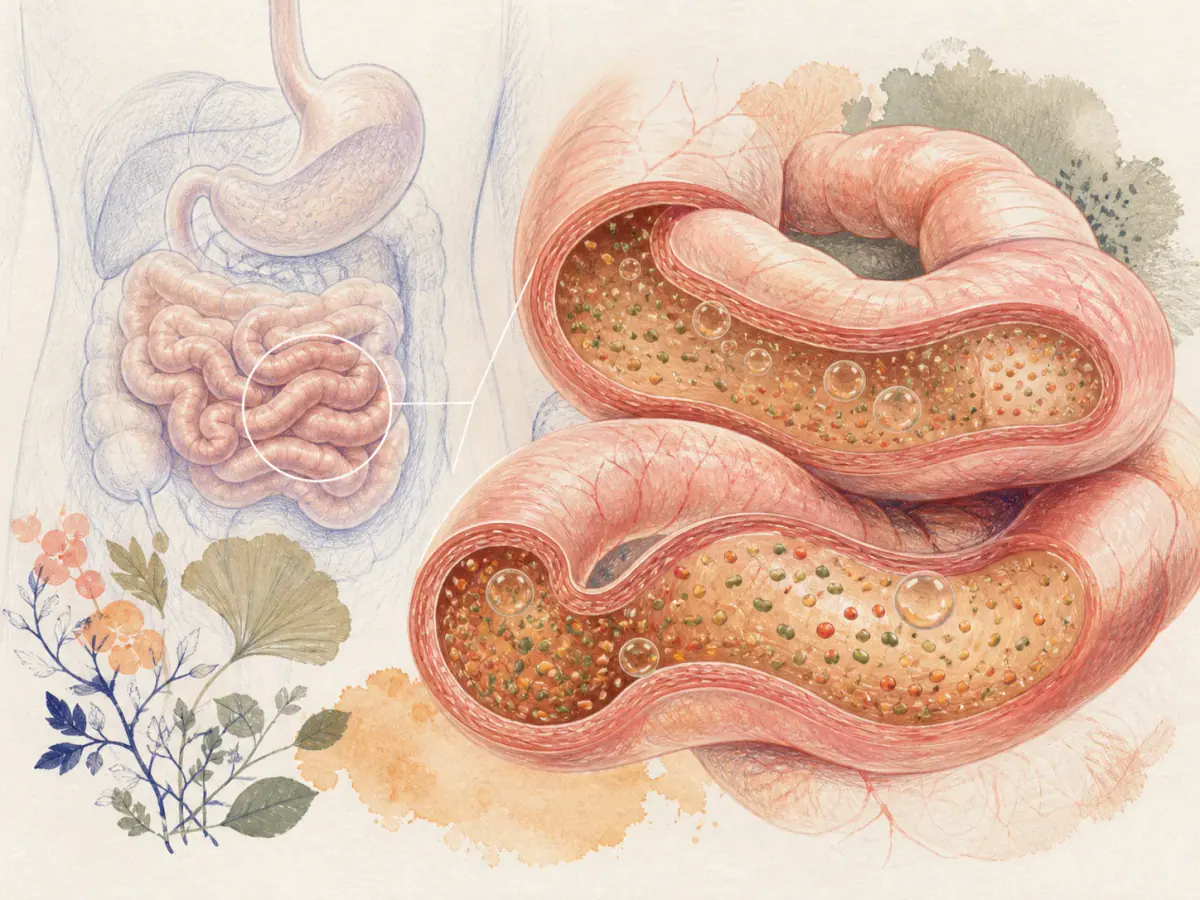
After examining risk factors and the limitations of testing alongside bloating, we interpret the SIBO test results.
Rather than continuously eliminating foods, we expand the range of what you can tolerate
low FODMAP Restrictive diets like this are a process of reducing symptoms for a necessary period and then reintroducing foods to find the types and amounts you can tolerate. If you continue to exclude food groups, leading to weight loss and a loss of confidence in eating, your life becomes more restricted even if your intestines feel better.
We do not measure treatment progress solely by the frequency of gas. Actual recovery, as viewed by Baekrokdam, is when clothes feel less tight, discomfort after eating out does not linger, and the fluctuation between constipation and diarrhea diarrhea decreases, and the variety and portion size of food you can eat increase.
Initially, upper abdominal fullness may remain even after lower abdominal bloating decreases, or gas may linger after eating unfamiliar foods even if bowel movements have become easier. While maintaining the improved intestinal flow, we will continue to expand the stomach's adaptation and food tolerance range in subsequent prescriptions. We also monitor the time it takes to return to your original state after eating out.
If gas continues to build up even after changing probiotics and digestive aids, it is necessary to distinguish between stomach adaptation, intestinal transit, constipation, food fermentation, and sensory hypersensitivity. Baekrokdam treats food stagnation, qi stagnation, spleen-stomach deficiency, phlegm-fluid (dam-eum), and liver-spleen disharmony with Korean herbal medicine and acupuncture to restore both bowel movements and dietary variety.
Evidence and Update Information
This content was compiled by Korean medicine doctor Choi Yeon-seung and updated on 2026-08-31 based on the following materials.
- NIDDK: Gas in the Digestive Tract
- NIDDK: Eating, Diet, & Nutrition for IBS
- American Gastroenterological Association: SIBO clinical practice updateLimitations of the SIBO definition, typical symptoms, and nutritional abnormalities