
Small Intestinal Bacterial Overgrowth (SIBO): Read in the order of your curiosity
Before using the term 'functional' lightly
SIBO is interpreted by looking at risk factors and test results, not just symptoms
SIBOrefers to a state where the number or composition of bacteria in the small intestine changes, leading to symptoms or abnormal test results, but there are limitations to its definition and the interpretation of tests. After examining risk factors such as a history of abdominal surgery or decreased intestinal motility, along with post-meal bloating, gas, abdominal pain, and diarrhea, as well as nutritional status and other gastrointestinal diseases, necessary evaluations such as breath tests are selected.
Context to consider before testing
We look at the background that increases the likelihood of SIBO rather than just the symptom of bloating
Even for the same post-meal bloating, the value of a test varies depending on risk factors and accompanying changes. The table below is not a tool for categorization, but a set of questions to determine the next step in medical evaluation.
| Observed Pattern | Background to Verify | Next Determination |
|---|---|---|
| Recurring post-meal bloating and gas only | Constipation, aerophagia (swallowing air), food reactions, functional gastrointestinal disorders | SIBO tests are not performed routinely based on symptoms alone |
| History of abdominal surgery or decreased bowel motility | Type of surgery, anatomical changes, related diseases, and medications | Determine the utility of the test by considering risk factors and symptoms together |
| Overlapping diarrhea, weight loss, or nutritional issues | Malabsorption, inflammation, pancreatic issues, or other digestive causes | Prioritize cause evaluation and nutritional assessment over SIBO self-treatment |
| Symptoms improve after antibiotics but then recur | Basis of initial diagnosis, response to medication, and management of underlying causes | Re-evaluate without repeating antibiotics without a test |
When to seek medical attention first
Seek medical evaluation immediately if you have these symptoms
For the following symptoms, a prompt digestive evaluation takes priority over SIBO self-treatment.
- Bloody or black stools are present
- Persistent vomiting or symptoms of dehydration are present
- Unexplained weight loss or anemia is present
- Severe abdominal bloating accompanied by a stop in bowel movements and gas.
When bloating returns even after antibiotics or a restrictive diet.
We look at intestinal motility stagnation and the digestive/bowel environment, rather than just chasing the name of a bacterium.
Some people experience recurring post-meal bloating, gas, and abdominal pain even after SIBO treatment. In herbal medicine treatment, we examine gastric and small intestinal motility, food stagnation and qi stagnation, the absorption capacity of the spleen and stomach, damp-heat or cold sensations, and bowel stagnation. Byeonjeung (pattern identification)to determine if the intestines are dry, if Qi is blocked, if the pushing force is weak, or if the body is cold and motility is slow.
Re-examining the timeline of tests and treatment responses.
We map the breath test, the period of improvement following antibiotics, and the point of recurrence on a single timeline.
We do not attribute all bloating solely to bacteria.
We simultaneously examine constipation, decreased gastrointestinal motility, food reactions, and visceral hypersensitivity.
The treatment goals are focused on the environment causing recurrence and intestinal motility.
We observe the onset time of post-meal bloating and the flow of bowel movements and gas.
Treatment GoalsWe aim to delay the onset and reduce the extent of post-meal bloating and abdominal pain, while restoring dietary diversity and bowel rhythm.
Consultation via SIBO diet and bowel movement records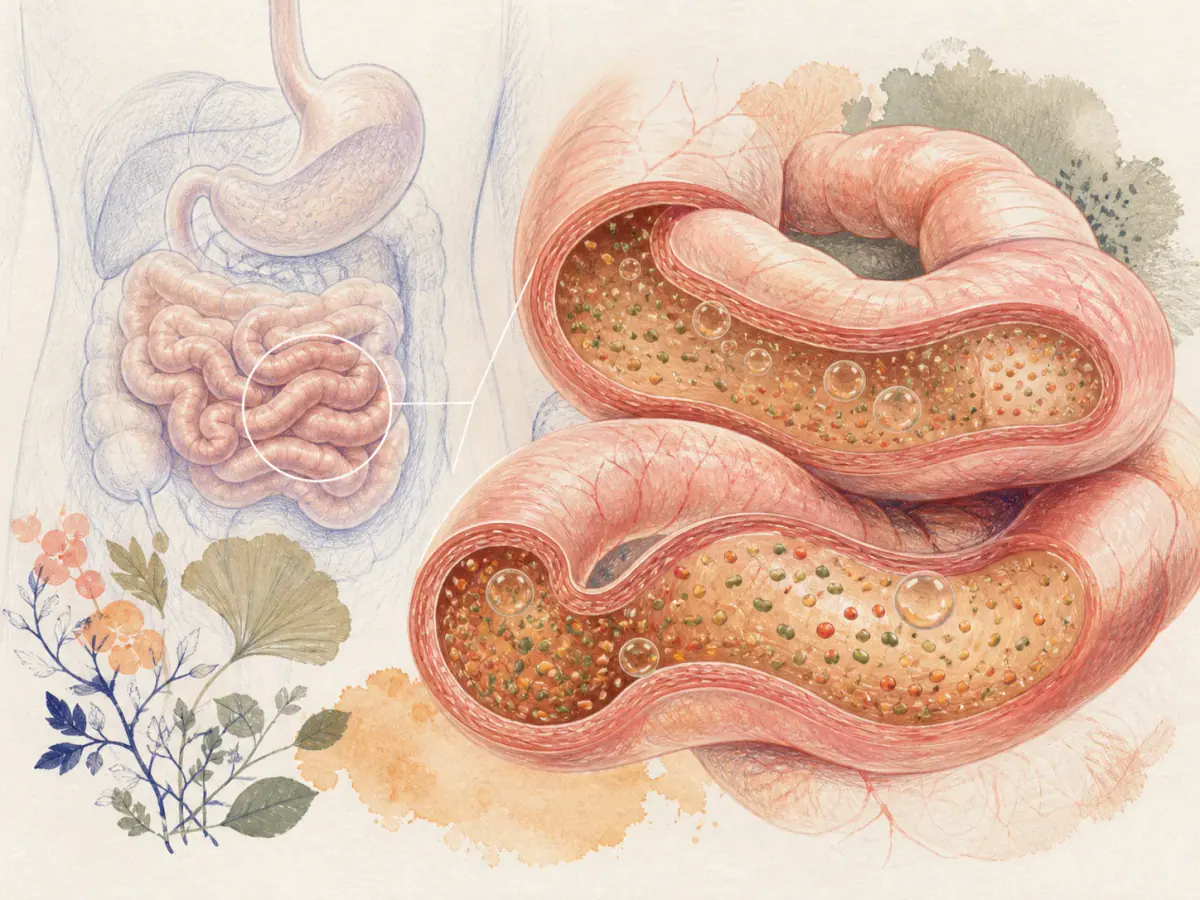
After examining risk factors and the limitations of testing alongside bloating, we interpret the SIBO test results.
The illustrations showing the processes occurring in the body are simplified explanations to help understand the location and changes of symptoms; they do not represent an individual's test results or treatment outcomes.If you have had these experiences
For those who have found the term 'Could it be SIBO?' but are unsure of the next steps.
Some people experience recurring post-meal bloating, gas, and abdominal pain even after SIBO treatment. In herbal medicine treatment, we analyze gastric and small intestinal motility, food stagnation Qi stagnation, the absorption capacity of the spleen and stomach, damp-heat or cold sensations, and bowel stagnation through pattern identification.
For those who repeatedly search and self-test due to post-meal bloating and gas, wondering if they should reduce all carbohydrates.
When post-meal bloating and gas recur even after evaluation and treatment.
For those who tried a low-FODMAP diet, probiotics, digestive enzymes, or antibiotics, but felt discomfort again after a brief improvement.
When restrictive diets increase and weight, dining out, or nutrition become unstable.
For those who want to know if a breath test is actually necessary and to what extent Korean medicine treatment can be added after treating the underlying cause.
constipation·When delayed digestion, fatigue, and recurrence occur together
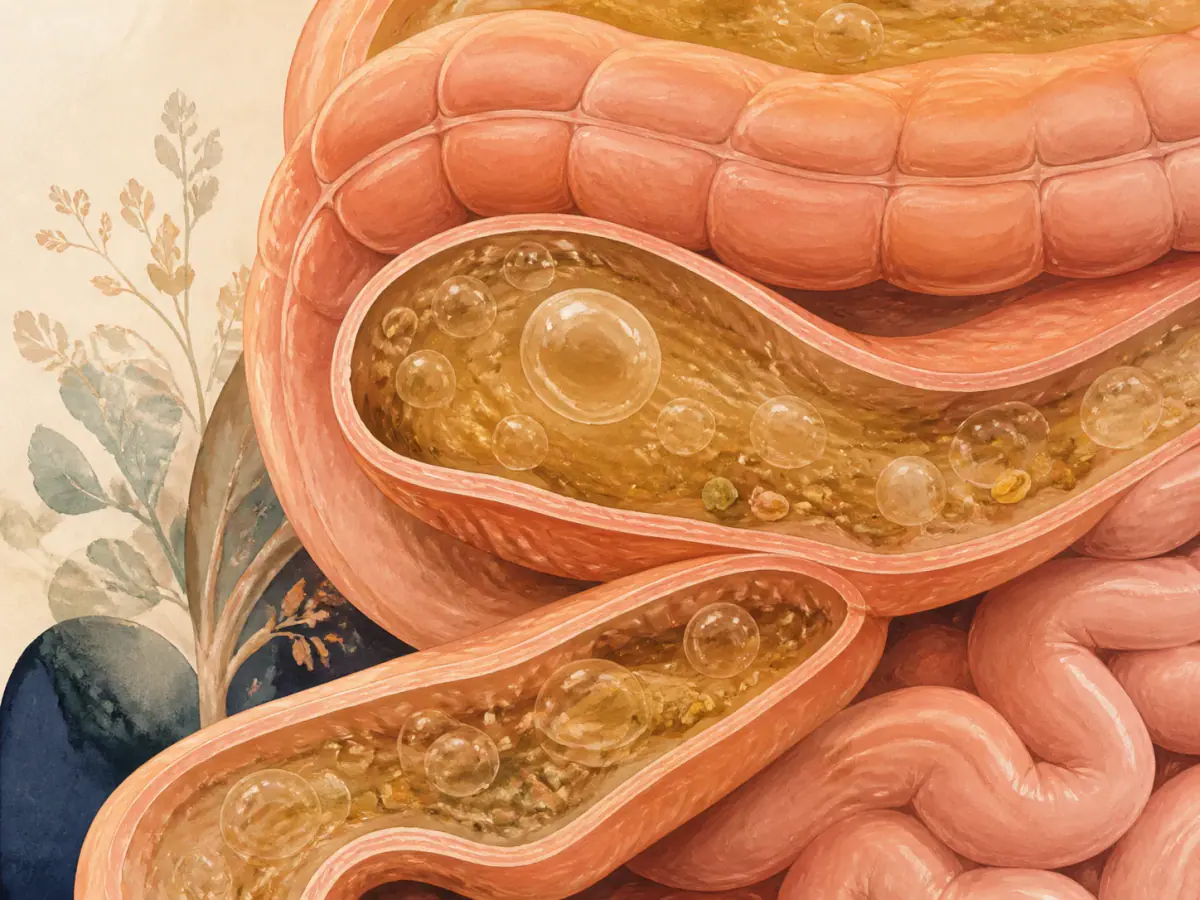
Not only the amount of gas, but also intestinal motility, constipation, food reactions, and sensory sensitivity can contribute to the perceived sensation of bloating.
Conceptual reference · NIDDK: Gas in the Digestive TractThis is how we approach the medical evaluation
Small Intestinal Bacterial Overgrowth (SIBO): Why we examine test results and dietary discomfort together
SIBO refers to a state where the number or composition of bacteria in the small intestine changes, leading to symptoms and abnormal test results, but there are limitations to its definition and the interpretation of tests. Postprandial bloating, gas, abdominal pain,diarrheaalong with risk factors such as a history of abdominal surgery or decreased intestinal motility, nutritional status, and other gastrointestinal diseases, are reviewed before selecting necessary evaluations such as breath tests.
We identify the initial reason SIBO was suspected
We review the breath test results, history of abdominal surgery, comorbid conditions, postprandial bloating,abdominal painand the timing when changes in bowel movements began.
We examine what treatments were used and how long the changes lasted
The names of antibiotics, restrictive diets,Lactic acid bacteriadigestive enzymes, and Korean herbal medicine, as well as the start dates, improved symptoms, and duration of improvement, are recorded to distinguish between repeated attempts and points where re-evaluation is necessary.
We turn remaining discomfort into lifestyle goals
Among the time when postprandial bloating begins, abdominal pain, stool shape, and the frequency of avoiding eating out, we determine which item to change first and track the response to existing treatments and Korean herbal medicine treatment together.
Reasons why it may not heal well
Small Intestinal Bacterial Overgrowth (SIBO): Why meals may remain uncomfortable even after testing
Some individuals experience recurring postprandial bloating, gas, and abdominal pain even after SIBO treatment. In Korean herbal medicine treatment, we perform pattern identification regarding stomach and small intestine motility, Sik-jeokgas, the absorption capacity of the spleen and stomach, damp-heat, cold sensation, and bowel stagnation.
We re-examine the timeline of tests and treatment responses
The breath test, antibiotics, the period of improvement, and the timing of recurrence are mapped out on a single timeline.
We do not attribute all bloating solely to bacteria
Constipation,gastrointestinal motility decreased motility, food reactions, and visceral hypersensitivity are examined together.
The environment causing recurrence and intestinal motility are set as treatment goals
We observe the time when postprandial bloating begins and the flow of bowel movements and gas.
How to keep a symptom timetable
Small Intestinal Bacterial Overgrowth (SIBO): Meal Schedules Over Food Names
If you provide your breath test results, history of abdominal surgery and comorbidities, the names of antibiotics, restrictive diets, or probiotics used and their response periods, as well as recent records of post-meal bloating and bowel movements, we can distinguish between areas requiring re-evaluation and the goals of Korean herbal medicine treatment.
The definition is not completely fixed as a single standard
Even professional literature describes SIBO as a clinical state where symptoms or abnormal test results are linked to changes in the number or composition of bacteria in the small intestine, noting limitations in the precision and consistency of its definition.
Bloating, gas, and abdominal pain overlap with various conditions
Similar symptoms appear in irritable bowel syndrome, constipation, food intolerance, and functional abdominal bloatingdisorders. Whether SIBO is present cannot be determined solely by online symptom charts or the shape of the abdomen.
The important question is 'Why did this happen?'
If SIBO is suspected, we first check for backgrounds where intestinal contents became stagnant or anatomy changed, as well as comorbidities and medications, rather than focusing on the name of the test.
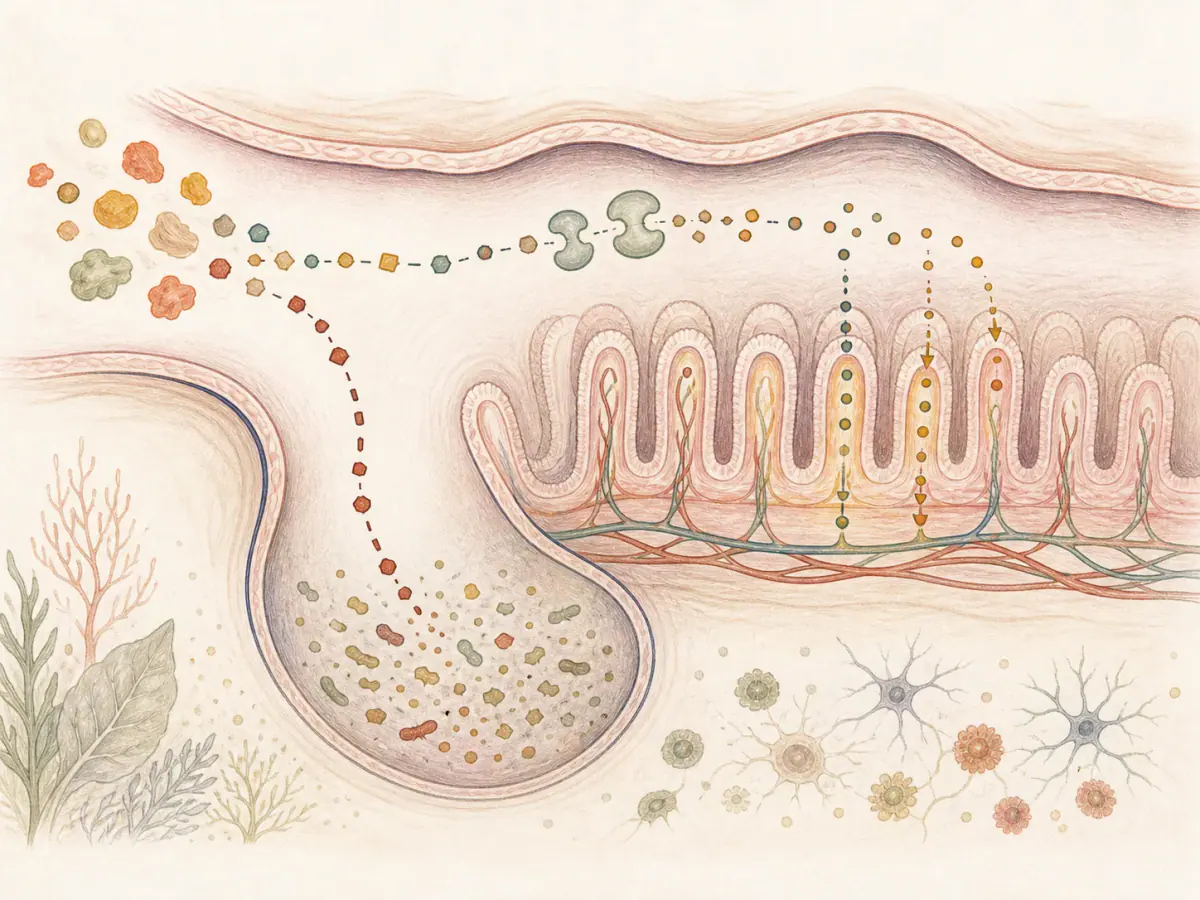
Food intolerance is different from an allergy; rather than indiscriminate restriction, record whether reactions recur with the same food and amount.
Conceptual reference · NIDDK: Lactose IntoleranceHerbal medicine pattern differentiation for small intestine bacterial overgrowth
Why SIBO prescriptions differ based on cold sensations, stagnation, heat, or tension
Within the diagnosis of SIBO, we categorize whether post-meal stagnation is significant, whether dampness accumulates due to a weak spleen and stomach, whether heat and a feeling of fermentation are prominent, or whether the intestines are cold and slow.
When the solar plexus and abdomen feel full and burping is blocked immediately after eating
We check if bloatingburpingand abdominal pain persist even after eating a small amount. We ask about irregular meals, constipation, and chest tightness. We help the movement of intestinal contents by resolving stagnation in the stomach and intestines and unblocking Qi.
When bloating, loose stools, and fatigue persist together for a long time
We look for post-meal heaviness, undigested stools, and a sloshing sensation in the abdomen. We check for decreased appetite, edema, and post-meal drowsiness. We reduce the conditions where dampness lingers by strengthening the absorption and fluid metabolism of the spleen and stomach.
When gas odor, abdominal heat, and urgent bowel movements are prominent
We check for overlapping bloating, gas, loose stools, and heat in the anal area. We ask about thirst and worsening after alcohol or greasy foods. We reduce damp-heat in the intestines and the burden of excessive fermentation and motility.
Changes to monitor during treatment
Recovery to observe in the next meal
We aim to delay the onset and reduce the extent of post-meal bloating and abdominal pain, while restoring dietary diversity and bowel rhythm.
Breath tests, antibiotics, and response periods
By recording the 'breath tests, antibiotics, and response periods' along with the exact times before and after meals, we observe whether the amount eaten and the time it takes to feel comfortable actually change.
Post-meal bloating onset time, gas, and abdominal pain
By recording the 'post-meal bloating onset time, gas, and abdominal pain' along with the time before and after meals, we observe whether the amount of food intake and the time it takes to feel comfortable actually differ.
Stool form, surgical history, restrictive diet, weight, and sensitivity to cold
By recording 'stool form, surgical history, restrictive diet, weight, and sensitivity to cold' along with the time before and after meals, we observe whether the amount of food intake and the time it takes to feel comfortable actually differ.
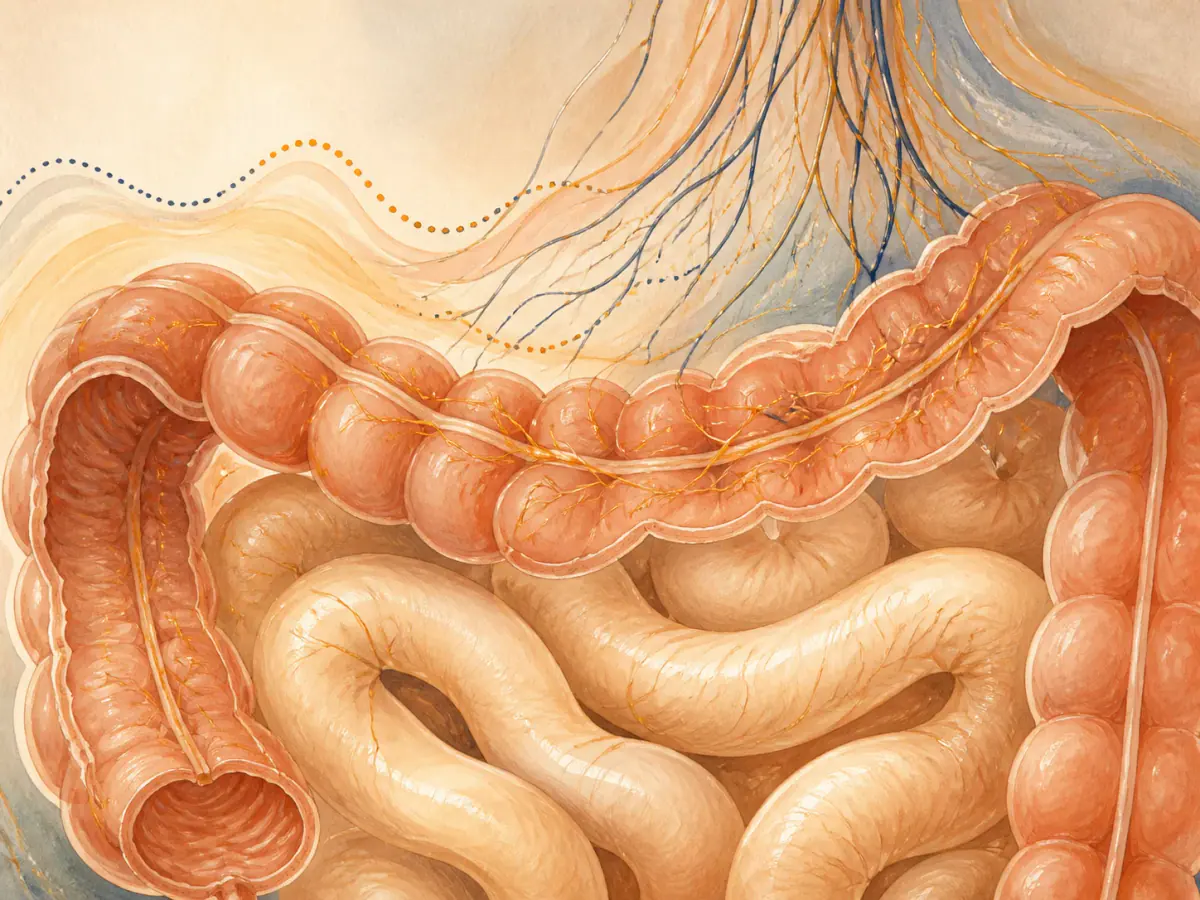
Even without structural damage, if the interaction between intestinal motility and sensation changes, abdominal pain, diarrhea, and constipation may recur.
Conceptual reference · NIDDK: Irritable Bowel SyndromeAt the crossroads of gastrointestinal motility, sensation, and the gut-brain response
Recurrent bloating is categorized into food stagnation and qi stagnation, spleen deficiency and dampness, damp-heat in the intestines and stomach, and spleen and stomach deficiency-cold
Even under the name of SIBO, we distinguish whether post-meal stagnation is significant, whether dampness accumulates due to a weak spleen and stomach, whether heat and fermentation sensations are prominent, or whether the intestines are cold and slow.
Pattern identification is not about arbitrarily adding a disease name to test results. A single person may experience a combination of decreased gastric motility, hypersensitivity, body heat, cold sensations, and tension; if the primary symptoms change based on diet, bowel movements, or sleep, the proportions of the prescription are adjusted accordingly.
When the solar plexus and abdomen feel full immediately after eating and burping feels blocked
- Changes to observe in digestive symptoms
- We check if bloating, burping, and abdominal pain persist for a long time even after eating a small amount.
- Changes to observe in the rest of the body
- We ask about irregular eating habits, constipation, and chest tightness.
- Prescription priority
- It helps the movement of contents by resolving stagnation in the stomach and intestines and unblocking stagnant qi.
When bloating, loose stools, and fatigue persist together for a long time
- Changes to observe in digestive symptoms
- We check for post-meal heaviness, undigested stool, and a sloshing sensation in the abdomen.
- Changes to observe in the rest of the body
- We check for loss of appetite, edema, and post-meal drowsiness.
- Prescription priority
- It reduces the conditions for dampness to linger by strengthening the absorption and fluid metabolism of the spleen and stomach.
When gas odor, abdominal heat sensation, and urgent bowel movements are prominent
- Changes to observe in digestive symptoms
- We check if bloating, gas, loose stools, and a heat sensation in the anus overlap.
- Changes to observe in the rest of the body
- We ask about thirst and worsening after alcohol or greasy food.
- Prescription priority
- It reduces damp-heat in the intestines and stomach, as well as excessive fermentation and motility burden.
When the abdomen swells after eating cold food and abdominal pain improves with warmth
- Changes to observe in digestive symptoms
- Check if bloating, diarrhea, or stagnation worsens after eating cold meals.
- Changes to observe in the rest of the body
- Check for coldness in hands and feet, morning lethargy, and loose stools.
- Prescription priority
- Warm the spleen and stomach and reinforce the rhythm of intestinal motility.
Order of prescription adjustment
- Verify the basis for diagnosis and the timing of recurrence
Review responses to tests, antibiotics, and restrictive diets in chronological order.
- Identify the recurrence environment among stagnation, weakness, heat, or cold
Connect bloating with bowel movements, body temperature, and energy levels.
- Adjust based on the timing of bloating and dietary variety
Review the onset time after meals, abdominal pain, bowel movements, and the range of tolerable foods.
Why consider Korean herbal medicine treatment now?
- When postprandial bloating and gas recur even after evaluation and treatment
- When restrictive diets increase and weight, dining out, or nutrition become unstable
- When recurrence occurs alongside constipation, delayed digestion, and fatigue
What is evaluated in herbal medicine treatment for this condition
- Breath test results, antibiotics, and response periods
- Onset time of postprandial bloating, gas, and abdominal pain
- Stool form, surgical history, restrictive diets, weight, and coldness
Verify the reason why SIBO was first suspected
We review breath test results, abdominal surgical history, comorbid conditions, and the timing when postprandial bloating, abdominal pain, and changes in bowel movements began.
Review what was done and how long the changes lasted
Please list the names, start dates, improved symptoms, and duration of antibiotics, restrictive diets, probiotics, digestive enzymes, and Korean herbal medicine to identify repeated attempts and points requiring re-evaluation.
Convert remaining discomfort into lifestyle goals
Among the onset time of postprandial bloating, abdominal pain, stool shape, and the frequency of avoiding dining out, we determine which item to prioritize for change and track the responses to previous treatments and Korean herbal medicine treatment together.
Things to prepare before the consultationIf you provide breath test results, abdominal surgical history, comorbid conditions, the names and response periods of antibiotics, restrictive diets, and probiotics, as well as recent records of postprandial bloating and bowel movements, we can identify areas needing re-evaluation and set goals for Korean herbal medicine treatment.
If bleeding, anemia, worsening difficulty swallowing, persistent vomiting, unexplained weight loss, or nighttime diarrhea newly occur, they must be re-evaluated even if past tests were normal. After ruling out these cases, we focus on herbal medicine treatment for chronic or recurring functional digestive symptoms.
Consult about Small Intestinal Bacterial Overgrowth (SIBO) progressGastrointestinal Glossary
Additional information to know regarding Small Intestinal Bacterial Overgrowth
You can proceed to a detailed explanation after confirming the simple meaning.Frequently Asked Questions
Frequently Asked Questions about Small Intestinal Bacterial Overgrowth
Can Small Intestinal Bacterial Overgrowth be diagnosed by symptoms alone?
Abdominal bloating, gas, abdominal pain, diarrhea, or constipation are common in Small Intestinal Bacterial Overgrowth, but they overlap with other conditions such as Irritable Bowel Syndrome (IBS). Therefore, diagnosis is not based on symptoms alone; breath tests and identification of underlying causes are performed together.
Can it still be Small Intestinal Bacterial Overgrowth even if constipation is more severe than diarrhea?
Small Intestinal Bacterial Overgrowth can manifest as constipation as well as diarrhea. If there is a background of decreased intestinal motility or a history of surgery, it may appear as the constipation type; therefore, symptom patterns and risk factors must be evaluated together.
Can it recur even after receiving treatment?
Small Intestinal Bacterial Overgrowth can recur if the underlying cause is not resolved. Even after treatment, it is recommended to record post-meal bloating, gas, and bowel movement rhythms, and seek medical evaluation again to identify the cause if signs of recurrence appear.
How is the test for Small Intestinal Bacterial Overgrowth performed?
A definitive diagnosis is not made based on abdominal bloating, gas, or changes in bowel movements alone. A hydrogen breath test is commonly used; following the instructions, certain medications and the previous day's diet are adjusted, then a sugar solution is drunk to measure the hydrogen in the breath over time. The results are interpreted alongside symptoms and individual risk factors.
If symptoms improved after taking antibiotics, is it definitely SIBO?
A diagnosis cannot be confirmed by symptom improvement alone. The duration of improvement, the basis of the initial test, underlying causes such as a history of surgery or decreased intestinal motility, and the possibility of other gastrointestinal diseases are re-evaluated together.
If it is SIBO, should I continue a low-FODMAP diet?
Indefinite restriction is not the standard. Even when attempting a restrictive diet for symptom control, a duration and reintroduction plan should be established with a specialist to maintain the range of foods that can be eaten and ensure proper nutrition.
Evidence and Update Information
Dr. Choi Yeon-seung, a Korean medicine doctor, composed this based on the official professional materials and disease-specific clinical data below, and updated the content on 2026-08-26.
- American Gastroenterological Association: SIBO clinical practice updateLimitations of the SIBO definition, typical symptoms, and nutritional abnormalities
- American College of Gastroenterology: SIBOPatient guidance on SIBO symptoms, risk factors, breath tests, and treatment
- AGA: Belching, abdominal bloating and distentionCandidates for SIBO testing among those with bloating, and management of diet and probiotics
- NIDDK: Symptoms & Causes of Gas in the Digestive TractNormal ranges for flatulence, abdominal bloating, and burping, and symptoms requiring medical evaluation
- NIDDK: Gas in the Digestive TractSwallowed air, carbohydrate fermentation, symptom recording, and testing principles