
Chronic constipation: Read in the order of your curiosity
Before using the term 'functional' lightly
Constipation cannot be explained by frequency alone
Chronic constipation is not judged by the number of bowel movements per week alone. We also look at whether there are recurring instances of hard, dry, or lumpy stools; bowel movements that require prolonged straining or are painful; a feeling of incomplete evacuation; a feeling of blockage at the anus; or difficulty evacuating without the help of fingers or perineal pressure. If you experience a feeling of blockage at the exit and recurring need for digital manipulation despite having soft stools, pelvic floor dyssynergiawe also check for problems in the evacuation process. If you sit for a long time due to these symptoms even when going to the bathroom daily, and it disrupts your work, outings, or sleep, an evaluation is necessary. If you experience sudden severe abdominal pain, abdominal bloating, and vomiting, or if no stool or gas is passed at all, or if there is bloody stool, rectal bleeding, fever, or unintended weight loss, do not take more laxatives and seek prompt medical evaluation.
Symptom Classification
Why we look at frequency, stool shape, the evacuation process, and symptoms that must be checked first together
If bowel movements are not comfortable or complete even when occurring daily, the symptoms are evaluated specifically.
| Observed Scenario | Symptom axis to check | Next action |
|---|---|---|
| Prolonged straining for hard and lumpy stools | Stool consistency · Difficulty bowel movement | Record shape and straining time |
| Feeling of incomplete evacuation after bowel movement | Feeling of residual stool · Incomplete evacuation | Record frequency of recurrence and function |
| Using fingers to help pass even soft stool blocked at the anus | Possibility of evacuation disorder | Do not hide the use of digital manipulation during medical evaluation |
| Tardiness or canceling outings due to bathroom issues | Impairment of daily functioning | Connect evaluation and treatment via a diary |
| Severe abdominal pain, vomiting, and cessation of stool and gas | Possibility of acute obstruction | Seek immediate medical evaluation without adding laxatives |
When to seek medical attention first
Changes in chronic constipation symptoms requiring immediate medical evaluation
The following helps identify acute causes before adding laxatives or Korean herbal medicine to what is usually considered constipation.
- Sudden, persistent severe abdominal pain, abdominal bloating, and vomiting
- A state where neither stool nor gas is passed at all
- Rectal bleeding, bloody stools, or stools mixed with black or large amounts of blood
- Cases accompanied by fever or unintentional weight loss
Constipation where straining and a feeling of incomplete evacuation remain even after using laxatives
Instead of simply increasing frequency, we address intestinal dryness, tension, energy levels, and coldness
Chronic constipationconstipationrequires looking not only at how many days pass between bowel movements, but also at stool consistency, straining, the feeling of being blocked, and the feeling of incomplete evacuation. We perform a pattern identification to determine if the intestines are dry, if Qi is blocked, if the pushing force is weak, or if the body is cold and motility is slow.
Why we evaluate both bowel movement frequency and quality
Even if you have a bowel movement every day, if you have to strain for a long time and it does not feel refreshing, treatment goals still remain.
Distinguishing remaining issues after laxative response
We check if a feeling of blockage or incomplete evacuation remains even after the stool has softened, or if abdominal pain and bloating have increased.
Why we evaluate intestinal and systemic hydration, energy, and body temperature together
We check if the condition of the stool changes on days when dry mouth, fatigue, coldness, sleep, or food intake change.
Treatment GoalsWe aim to reduce excessive straining and the feeling of incomplete evacuation, ensuring that comfortable, pain-free bowel movements occur regularly.
Consultation via diet and bowel movement records for chronic constipation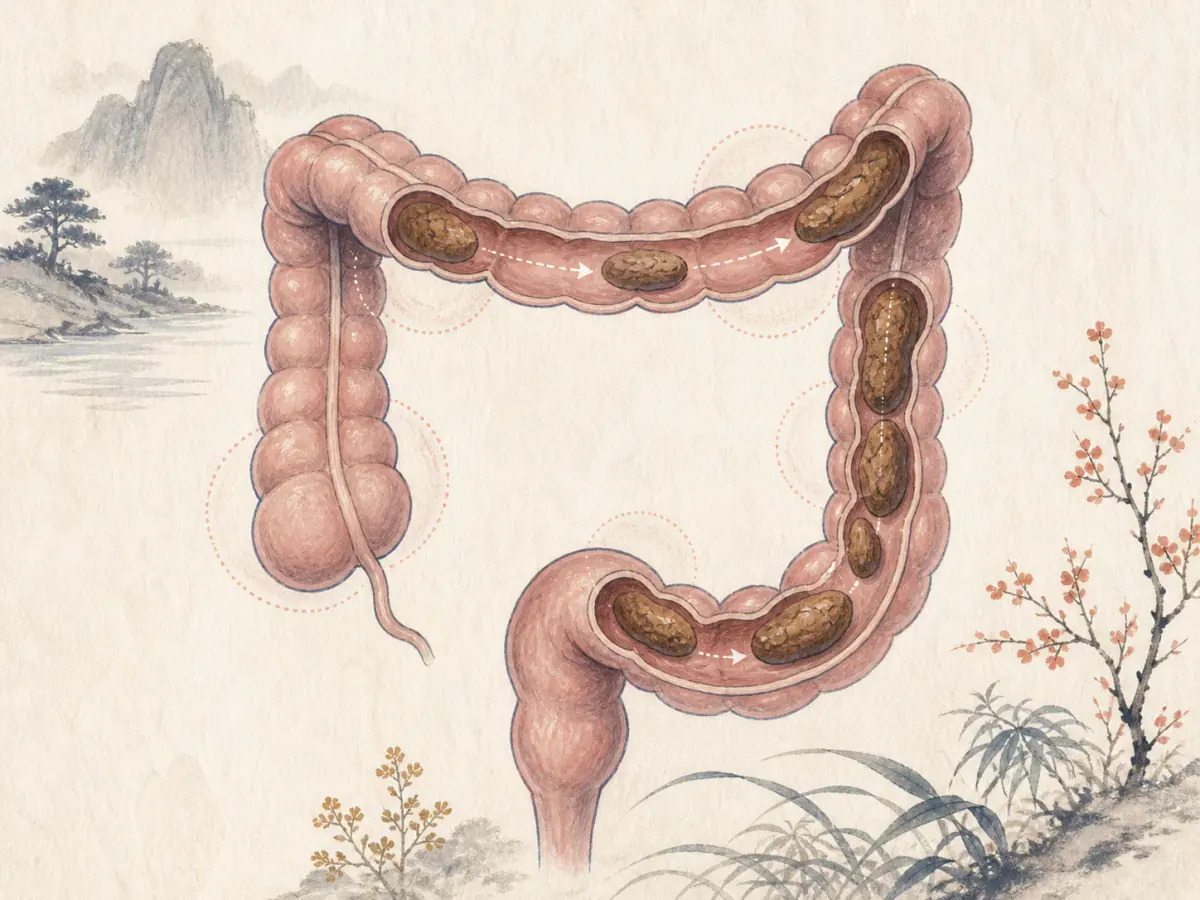
Constipation patterns are distinguished not only by the frequency of bowel movements but also by stool consistency, straining, the feeling of incomplete evacuation, and the amount of time bowel movements are delayed.
The illustrations showing the processes occurring in the body are simplified explanations to help understand the location and changes of symptoms; they do not represent an individual's test results or treatment outcomes.If you have had these experiences
For those who sit for a long time due to hard stools and a feeling of incomplete evacuation, even when having daily bowel movements
Chronic constipation requires looking not only at how many days pass between bowel movements, but also at stool consistency, straining, and the feeling of being blocked tenesmustogether. We perform a pattern identification to determine if the intestines are dry, if Qi is blocked, if the pushing force is weak, or if the body is cold and motility is slow.
For those who are late for work after straining in the bathroom for over 30 minutes or who worry about long-distance travel
When straining and a feeling of incomplete evacuation persist despite using laxatives or dietary fiber
For those whose stool is soft but feels blocked at the anus, requiring the use of a finger or pressure on the perineum to evacuate
When constipation and abdominal painbloating limit meals and outings
For those wondering if they should take more laxatives when experiencing abdominal bloating, vomiting, and a stop in passing gas
When stools become harder due to fatigue, feeling cold, lack of sleep, or stress
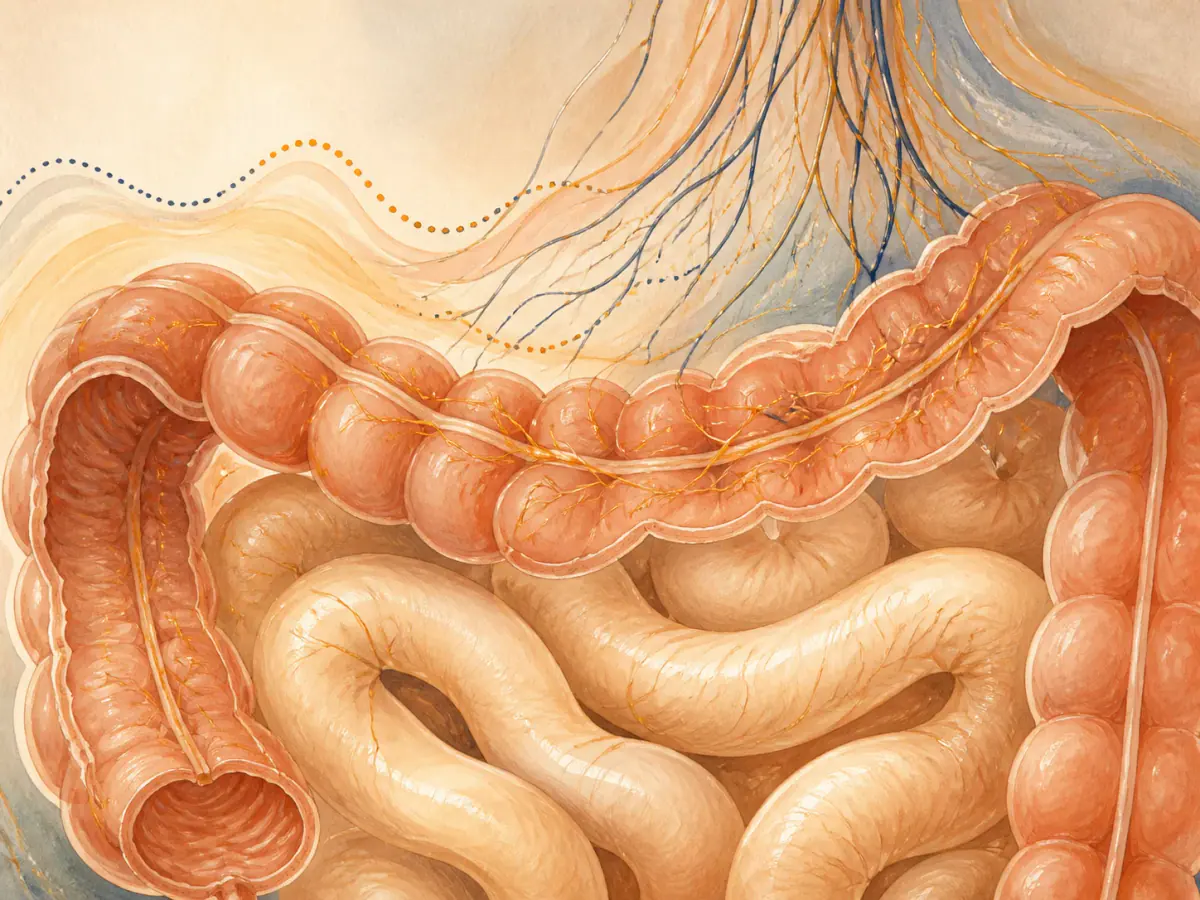
Even without structural damage, if the interaction between intestinal motility and sensation changes, abdominal pain, diarrhea, and constipation may recur.
Conceptual reference · NIDDK: Irritable Bowel SyndromeThis is how we approach the medical evaluation
Why chronic constipation requires looking at both test results and dietary discomfort
Chronic constipation is not judged by the number of bowel movements per week alone. We also look for recurring states such as hard, dry, or lumpy stools; straining or painful bowel movements; a feeling of incomplete evacuation; a sensation of blockage in the anus; and difficulty evacuating without the help of fingers or perineal support. Even if you go to the bathroom every day, an evaluation is necessary if these symptoms cause you to sit for long periods and disrupt your commute, outings, or sleep. If you experience sudden severe abdominal pain, abdominal bloating, and vomiting, and no stool or gas is passing at all, or if there is bloody stool, rectal bleeding, fever, or unintended weight loss, laxativesdo not take more and seek prompt medical evaluation.
First, we screen for warnings of obstruction or bleeding
Severe abdominal pain,vomitingstop in passing gas, bloody stool, fever, or weight loss require immediate medical evaluation without adding more laxatives.
Categorizing stool consistency, straining, and blockage
By matching the frequency and shape of the stool with straining, the feeling of incomplete evacuation, and the need for digital manipulation, we look for clues regarding transit issues and evacuation disorders.
Tracking bathroom time and recovery of outings and work
We record whether the time spent in the bathroom, tardiness for work, avoidance of outings, and the impact on sleep actually change during the treatment process.
Reasons why it may not heal well
Why meals may still be uncomfortable after tests for chronic constipation
For chronic constipation, we must look at stool hardness, straining, the feeling of blockage, and incomplete evacuation, not just how many days pass between movements. We perform Byeonjeung (pattern identification)to determine if the intestines are dry, if Qi is blocked, if the pushing force is weak, or if the body is cold and motility is slow.
Why we look at both the frequency and quality of bowel movements
Even if you go every day, if you strain for a long time and do not feel relieved, treatment goals remain.
Distinguishing remaining issues after response to laxatives
We check if blockage or a feeling of incomplete evacuation remains even after the stool has softened, or if abdominal pain and bloating have increased.
Why we look at the moisture, energy, and body temperature of the intestines and the whole body together
Check if stool condition also changes on days when you experience dry mouth, fatigue, a feeling of coldness, or changes in sleep and food intake.
How to keep a symptom timetable
Chronic Constipation: Meal Schedule over Food Names
Please prepare information on bowel movement frequency, stool shape, straining time, feeling of incomplete evacuation, blockage, digital manipulation, abdominal pain, bloating, gas, and how time spent in the bathroom affects your outings or work, as well as any bloody stools, vomiting, or weight changes.
Record hard stools and difficulty with bowel movements together
Record the shape of dry or lumpy stools and how often you experience prolonged straining or painful bowel movements.
Evaluate if there is a feeling of incomplete evacuation even with daily bowel movements
Even if the frequency appears normal, observe if the feeling that not everything has come out and the act of returning to the bathroom are repeated.
Do not hide feelings of blockage or the use of digital manipulation
A feeling of blockage at the anus and the use of fingers or perineal support are considered important in medical evaluations to determine evacuation disorders.
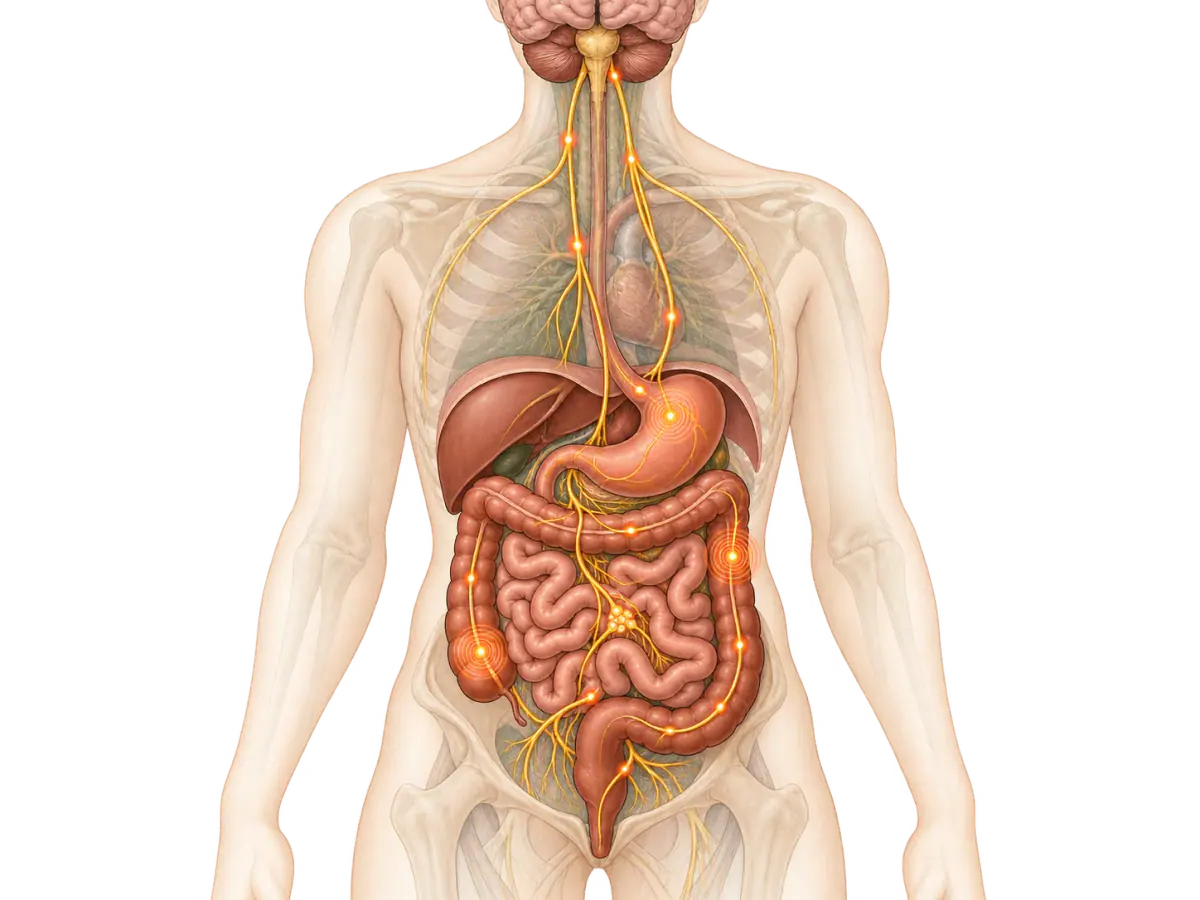
Even if tests show no significant structural abnormalities, the regulation of the autonomic and enteric nervous systems, sensory sensitivity, and motility rhythms can vary depending on meals, sleep, and stress.
Conceptual reference · NIDDK: Disorders of Gut-Brain InteractionHerbal medicine pattern identification for chronic constipation
Why prescriptions for chronic constipation differ based on coldness, stagnation, heat, or tension
Under the result of having hard stools, we distinguish whether the intestines are dry, blocked due to tension, lacking the strength to push, or cold and slow.
When stools are hard like rabbit droppings and the mouth and skin are dry
We look for small, hard, or cracked stools and pain during bowel movements. We ask about dry mouth, dry skin, lack of sleep, and worsening after menstruation or childbirth. We help facilitate smooth bowel movements by moistening the intestines and replenishing blood and bodily fluids.
When the abdomen is bloated but stools and gas do not pass easily
We check if abdominal bloating, flank pain, and the feeling of incomplete evacuation increase during times of stress. We also check for chest tightness, sighing, insomnia, and irregular meals. We aim to resolve blocked energy and intestinal spasms so that contents move without pain.
When prolonged straining is required even if the stool is not very hard
We check if bowel movement time is long and if you feel exhausted afterward. We ask about chronic fatigue, shortness of breath, decreased appetite, and decreased abdominal wall strength. We reduce excessive straining by reinforcing the propulsion of energy and the intestines.
Changes to monitor during treatment
Recovery to observe in the next meal
The goal is to reduce excessive straining and the feeling of incomplete evacuation, ensuring that comfortable bowel movements without pain occur regularly.
7-Day Stool Shape, Frequency, and Straining Time
By recording '7-Day Stool Shape, Frequency, and Straining Time' along with the times before and after meals, we observe if the amount eaten and the time you feel relieved actually differ.
Feeling of Blockage, Incomplete Evacuation, Abdominal Pain, and Bloating
By recording 'Feeling of Blockage, Incomplete Evacuation, Abdominal Pain, and Bloating' along with the times before and after meals, we observe if the amount eaten and the time you feel relieved actually differ.
Response to Laxatives and Probiotics, and Hydration, Coldness, and Activity
‘Laxatives·Lactic acid bacteria reactions, fluid intake, cold sensations, and activity’ are recorded along with the time before and after meals to see if the amount eaten and the time it takes to feel comfortable actually change.

Not only the amount of gas, but also intestinal motility, constipation, food reactions, and sensory sensitivity can contribute to the perceived sensation of bloating.
Conceptual reference · NIDDK: Gas in the Digestive TractAt the crossroads of gastrointestinal motility, sensation, and the gut-brain response
Chronic constipation is divided into intestinal dryness/blood deficiency, qi stagnation/congestion, qi deficiency/weakness, and yang deficiency/cold body type.
Under the result of 'hard stools,' we distinguish whether the intestines are dry, blocked due to tension, lacking the strength to push, or cold and slow.
Pattern identification is not about arbitrarily adding a disease name to test results. A single person may experience a combination of decreased gastric motility, hypersensitivity, body heat, cold sensations, and tension; if the primary symptoms change based on diet, bowel movements, or sleep, the proportions of the prescription are adjusted accordingly.
When stools are hard like rabbit droppings and the mouth and skin are dry
- Changes to observe in digestive symptoms
- We look for small, hard stools, fissures, and pain during bowel movements.
- Changes to observe in the rest of the body
- We ask about dry mouth, dry skin, lack of sleep, and worsening after menstruation or childbirth.
- Prescription priority
- It moistens the intestines and replenishes blood and fluids to help facilitate smooth bowel movements.
When the abdomen feels bloated but stools and gas do not pass easily
- Changes to observe in digestive symptoms
- We check if abdominal bloating, flank pain, and the feeling of incomplete evacuation increase during times of stress.
- Changes to observe in the rest of the body
- We check for chest tightness, sighing, insomnia, and irregular eating habits.
- Prescription priority
- It releases blocked qi and intestinal spasms to allow movement without pain.
When prolonged straining is required even if the stool is not very hard
- Changes to observe in digestive symptoms
- We check if bowel movement time is long and if you feel exhausted after finishing.
- Changes to observe in the rest of the body
- We ask about chronic fatigue, shortness of breath, decreased appetite, and weakness in the abdominal wall.
- Prescription priority
- It reinforces the qi and the propelling power of the intestines to reduce excessive straining.
When the lower abdomen and extremities are cold and morning intestinal motility is slow
- Changes to observe in digestive symptoms
- We check if stools become harder on cold days or after eating cold foods, and if the abdomen feels more comfortable when warmed.
- Changes to observe in the rest of the body
- We check for lower back pain, nocturia, sensitivity to cold, and morning lethargy.
- Prescription priority
- We warm the lower abdomen and reinforce the rhythm of intestinal movement.
Order of prescription adjustment
- We find the balance among hardness, blockage, weakness, and cold sensations.
Even for the same constipation, we categorize the reasons for straining.
- We check for remaining discomfort even after taking laxatives.
We observe reactions such as bloating, pain, and the feeling of incomplete evacuation, as well as the stool shape.
- We make adjustments by monitoring bowel movement comfort over 7 days.
We compare the frequency, straining time, feeling of incomplete evacuation, and abdominal comfort together.
Why consider Korean herbal medicine treatment now?
- When straining and the feeling of incomplete evacuation persist despite using laxatives or dietary fiber.
- When meals and outings are limited due to constipation, abdominal pain, and bloating.
- When stool becomes harder depending on fatigue, cold sensations, lack of sleep, or stress.
What is evaluated in herbal medicine treatment for this condition
- Stool shape, frequency, and straining time over 7 days.
- Feeling of blockage, feeling of incomplete evacuation, abdominal pain, and bloating.
- Response to laxatives and probiotics, as well as hydration, cold sensations, and activity levels.
We first screen for warnings of obstruction or bleeding.
If there is severe abdominal pain, vomiting, cessation of gas, bloody stools, fever, or weight loss, seek medical evaluation immediately without adding further laxatives.
We categorize stool consistency, straining, and blockage.
By matching frequency, stool shape, straining, the feeling of incomplete evacuation, and digital manipulation, we look for clues regarding transit issues and evacuation disorders.
We track the recovery of time spent in the bathroom, outings, and work productivity.
We record whether the time spent in the bathroom, tardiness for work, avoidance of outings, and impact on sleep actually change during the treatment process.
Things to prepare before the consultationPlease prepare information regarding bowel movement frequency, stool shape, straining time, feeling of incomplete evacuation, blockage, digital manipulation, abdominal pain, bloating, gas, time spent in the bathroom, impact on outings and work, bloody stools, vomiting, and weight changes.
If bleeding, anemia, worsening difficulty swallowing, persistent vomiting, unexplained weight loss, or nighttime diarrhea newly occur, they must be re-evaluated even if past tests were normal. After ruling out these cases, we focus on herbal medicine treatment for chronic or recurring functional digestive symptoms.
Consult about chronic constipation progressGastrointestinal Glossary
Additional Information to Note Regarding Chronic Constipation
You can proceed to a detailed explanation after confirming the simple meaning.Frequently Asked Questions
Frequently Asked Questions About Chronic Constipation
Is it constipation if I have a feeling of incomplete evacuation even if I have a bowel movement every day?
It is not judged by frequency alone. We evaluate hard stools, straining, the feeling of incomplete evacuation, obstruction, and the impact on daily life together.
My stool is soft, so why is it not coming out of the exit?
There may be an evacuation disorder due to pelvic floor coordination or structural issues. Please share any manual maneuvers used and the patterns of obstruction during your medical evaluation.
Is abdominal bloating also a symptom of chronic constipation?
It can be an accompanying symptom. However, if severe pain, vomiting, and the cessation of gas occur together, acute obstruction must be ruled out first.
If I see blood in my stool, is it because of constipation?
Do not simply dismiss it as blood caused by usual constipation. If rectal bleeding or bloody stools overlap with weight loss, the site of bleeding and other causes must be confirmed during a medical evaluation.
Is there only one cause for chronic constipation?
No. Normal or slow transit, evacuation disorders, and lifestyle, medication, metabolic, neurological, or structural factors may coexist.
If it seems to be caused by iron supplements or painkillers, should I stop taking them?
Do not stop them arbitrarily; share the timing of when you started or changed the medication and your symptoms with the prescribing medical staff to review the dosage or alternatives.
What is the reason for obstruction when the stool is soft?
There may be pelvic floor muscle coordination or structural exit issues, so a digital rectal exam or anorectal functional evaluation may be considered.
Evidence and Update Information
Dr. Choi Yeon-seung, a Korean medicine doctor, composed this based on the official professional materials and disease-specific clinical data below, and updated the content on 2026-08-26.
- NIDDK: Constipation symptoms and causesDistinguishing between hard stools, difficulty defecating, and feeling of incomplete evacuation versus bloody stools, abdominal pain, cessation of gas, vomiting, and weight loss
- Japanese Gastroenterological Association: Chronic constipation guideline 2023Decreased bowel movements, straining, feeling of incomplete evacuation, anorectal obstruction, and the impact on school, work, sleep, and outings
- ASCRS: Evaluation and management of chronic constipationThe principle of overlapping symptoms between normal/slow transit and outlet dysfunction, and not confirming the subtype based on symptoms alone
- NIDDK: Constipation treatmentProhibition of arbitrary discontinuation of causative medications and boundaries for treatment tailored to pelvic floor evacuation disorders or structural issues
- NIDDK: Diagnosis of constipationBowel diary, medication history, abdominal and rectal examinations, and selective blood, stool, endoscopic, or physiological tests
- AGA: Evaluation and management of constipationThe sequence of digital rectal exam, endoscopy based on symptoms that should not be ignored, and then anorectal manometry, balloon expulsion test, defecography, or transit tests
- NIDDK: Treatment for ConstipationPost-meal bowel training, urge to defecate, use of footstools, and activity versus the boundaries of causative medications, laxatives, and biofeedback
- NHS: ConstipationGradual adjustment of fiber, regular bathroom habits, footstool positioning, and seeking medical evaluation if lifestyle management is ineffective
- NIDDK: Eating, Diet & Nutrition for ConstipationGradual increase of fiber sources, sufficient hydration, and adjustment of low-fiber processed foods