
Food intolerance: Read in the order of your curiosity
Before using the term 'functional' lightly
For food intolerance, we first look at the amount consumed, the start time, and whether it recurs
Food intolerance Symptoms typically appear within a few hours after consuming a specific food or ingredient, manifesting as abdominal bloating, gas, abdominal pain, or diarrhea, lasting from several hours to several days. Nausea, constipation, fatigue, and headaches may overlap, but as these are non-specific, we examine the amount consumed, the start time, and the recurrence along with the name of the food. Lactose intolerance presents as bloating, gas, abdominal pain, diarrhea, or nausea after consuming dairy products, with intensity varying by amount. If sudden swelling of the lips, mouth, tongue, or throat occurs, or if you experience wheezing, difficulty breathing, or fainting, treat this as a food allergy emergency rather than intolerance.
Symptom timing and risks
Distinguishing between intestinal symptoms after several hours and immediate allergic reactions
We examine the start time, amount, and recurrence of the reaction along with systemic risks.
| Observed scenario | Possible meaning | Priority action |
|---|---|---|
| Bloating and gas within several hours after a certain amount | Possible digestion or absorption intolerance | Record food, amount, and start time |
| Abdominal pain, diarrhea, or nausea after dairy products | Possible lactose intolerance | Check tolerance levels and repeatability |
| Irregular intestinal symptoms after various foods | Possible other causes such as IBS | Differential diagnosis instead of self-confirmation |
| Bloody stools, nocturnal diarrhea, weight loss, or anemia | Warning signs of Celiac disease, IBD, etc. | Gastrointestinal evaluation |
| Immediate swelling of mouth or throat, difficulty breathing, or fainting | Possible severe allergy | Immediate emergency response |
When to seek medical attention first
Symptoms requiring emergency response before checking for food intolerance
The following checks for the risk of anaphylaxis or other intestinal diseases first.
- Sudden swelling of the lips, mouth, tongue, or throat, or a feeling of throat tightening
- Wheezing, feeling of suffocation, difficulty breathing, or paleness/cyanosis
- Sudden confusion, severe dizziness, fainting, or decreased responsiveness
- Bloody stools, nocturnal diarrhea, persistent vomiting, dehydration, weight loss, or growth retardation
When the list of foods you cannot eat continues to increase
Rather than fixing on a single food as the culprit, we examine the limits of your digestion, absorption, and intestinal response
Food intolerance is different from an allergy; it can vary depending on the amount, cooking method, accompanying foods, and the motility and sensitivity of the intestines. Bi-wi-gi-heo (Spleen and Stomach Qi Deficiency)·We restore the range of tolerable meals by distinguishing between Cold-Dampness, Damp-Heat, and Liver-Spleen Disharmony.
We look at the amount and repeatability rather than just the name of the food
We check at what amount and how many hours after eating the same food the symptoms occur.
We examine the intestines that may have become more sensitive after a restrictive diet
We check if weight loss, nutritional deficiencies, meal-related anxiety, and decreased digestive power are overlapping.
The treatment goal is to establish a tolerable range rather than complete prohibition
We monitor whether the types and amounts of food that can be eaten without symptoms are increasing.
Treatment GoalsWe reduce unnecessary food restrictions, increase the types and amounts you can tolerate, and reduce post-meal abdominal pain, bloating, and bowel discomfort.
Consult using food intolerance diet and bowel records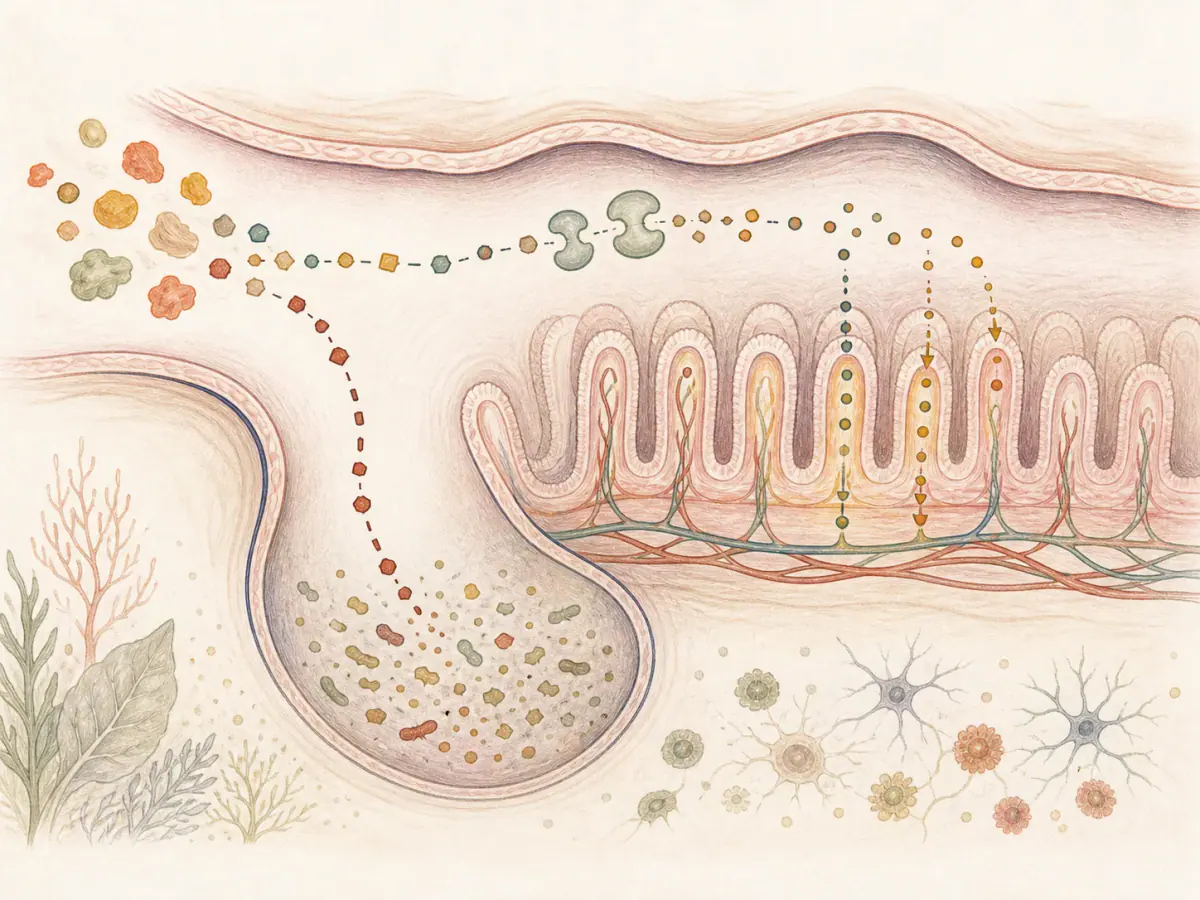
Food intolerance is different from an allergy; rather than indiscriminate restriction, record whether reactions recur with the same food and amount.
The illustrations showing the processes occurring in the body are simplified explanations to help understand the location and changes of symptoms; they do not represent an individual's test results or treatment outcomes.If you have had these experiences
For those who experience recurring bloating and diarrhea during afternoon work after lunch
Food intolerance is different from an allergy; it can vary depending on the amount, cooking method, accompanying foods, and the motility and sensitivity of the intestines. We restore the range of tolerable meals by distinguishing between Spleen-Stomach Qi Deficiency, Cold-Dampness, Damp-Heat, and Liver-Spleen Disharmony.
For those who wish to track the time and duration of bloating by recording the menu and amount during work
Even after removing several foods, bloatingdiarrhea·When abdominal pain recurs
For those wondering about their personal tolerance level because reactions differ between a glass of milk and small amounts of other dairy products
When discomfort recurs at specific quantities, even if tests do not show an allergy
For those who cut out various foods following IgG results, but whose actual recurring symptoms are inconsistent
When restrictive diets reduce weight, nutrition, dining out options, and overall quality of life
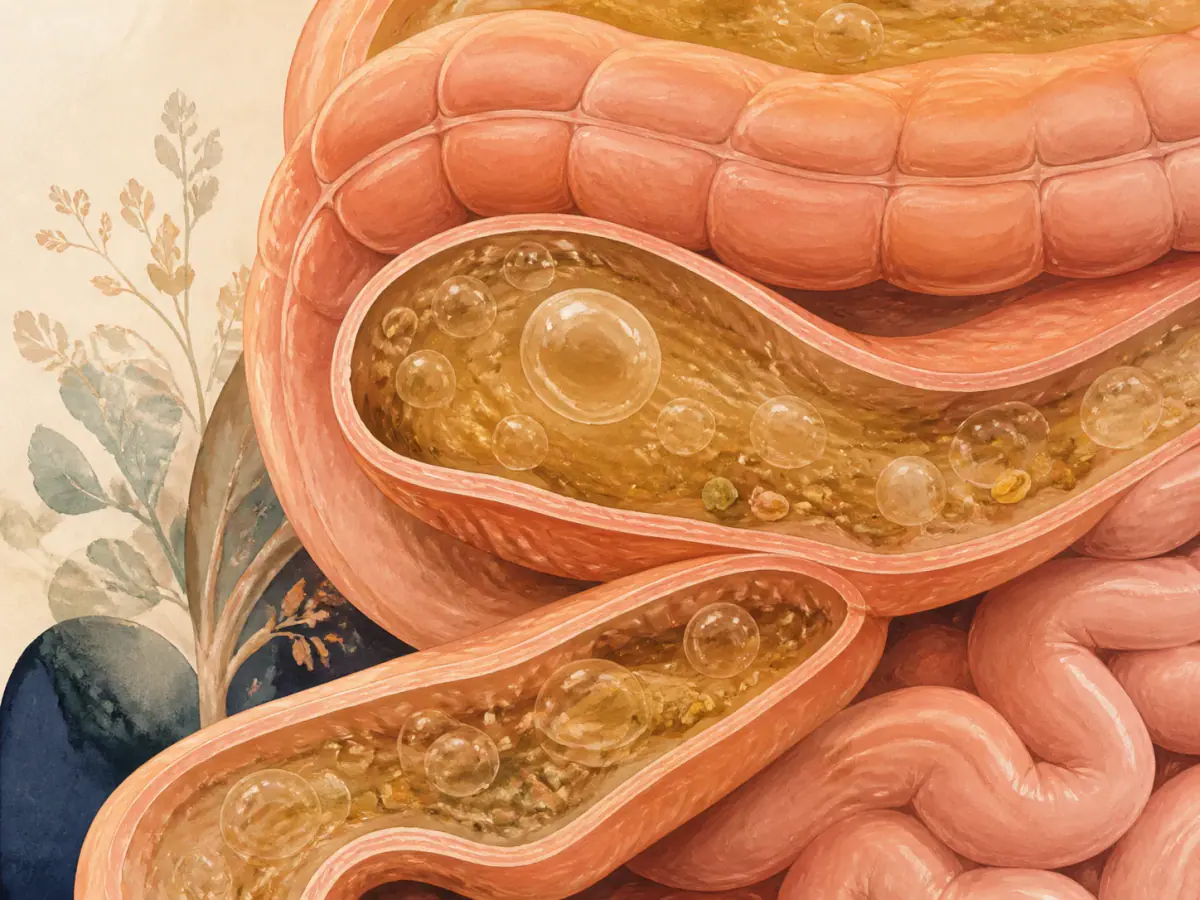
Not only the amount of gas, but also intestinal motility, constipation, food reactions, and sensory sensitivity can contribute to the perceived sensation of bloating.
Conceptual reference · NIDDK: Gas in the Digestive TractThis is how we approach the medical evaluation
Food Intolerance: Why we examine test results and dietary discomfort together
Food intolerance symptoms usually appear within a few hours after consuming a specific food or ingredient abdominal bloating·Symptoms typically manifest as gas, abdominal pain, and diarrhea, lasting from several hours to several days. Nausea, constipation, fatigue, and headaches may overlap, but since these are non-specific, we examine the name of the food, the amount consumed, the start time, and the recurrence. Lactose intolerance presents as bloating, gas, abdominal pain, diarrhea, and nausea after consuming dairy, with intensity varying by amount. If sudden swelling of the lips, mouth, tongue, or throat occurs, or if you experience wheezing, difficulty breathing, or fainting, treat this as a food allergy emergency rather than intolerance.
Prioritizing the evaluation of mouth/throat swelling, breathing, and consciousness
Request emergency help immediately for acute edema, wheezing, difficulty breathing, or fainting.
Evaluating bloody stools, weight, growth, and nighttime symptoms
Celiac disease ·IBS·We check for other causes such as IBD before diagnosing it as food intolerance.
Aligning food, quantity, and timing with daily functioning
We observe whether bloating, pain, and bowel movements repeatedly interfere with family meals, dining out, school, or work in the same patterns.
Reasons why it may not heal well
Food Intolerance: Why eating may not become comfortable even after testing
Food intolerance differs from allergies and can vary based on quantity, cooking method, accompanying foods, and intestinal motility and sensation. We aim to restore the range of tolerable foods by addressing Spleen and Stomach Qi Deficiency, Cold-Dampness, Damp-Heat, and Liver-Spleen Disharmony.
Prioritizing quantity and recurrence over the name of the food
We identify at what quantity and how many hours later the same food triggers symptoms.
Evaluating the intestines that have become more sensitive after a restrictive diet
We check if weight loss, nutritional deficiencies, and eating anxiety overlap with decreased digestive capacity.
Setting the goal of treatment as the tolerable range rather than complete prohibition
We monitor whether the types and quantities of food that can be eaten without symptoms increase.
How to keep a symptom timetable
Food Intolerance: A dietary timetable is more important than the names of foods
Please prepare information on the ingredients and amount of food and supplements consumed, the start and duration of symptoms, stool shape, weight and growth, restricted foods and IgG results, and any changes in the skin, lips, throat, or breathing.
Bloating, gas, and abdominal pain are common
Check whether these occur immediately after eating or several hours later, and if they recur when consuming the same ingredients.
Diarrhea and nausea may overlap
Record the stool shape, frequency, and the time it took from the start of discomfort until it subsided in the same manner.
Lactose reactions may vary depending on the amount
Before completely cutting out dairy products, consult a specialist to check the difference in reactions between small and large amounts.
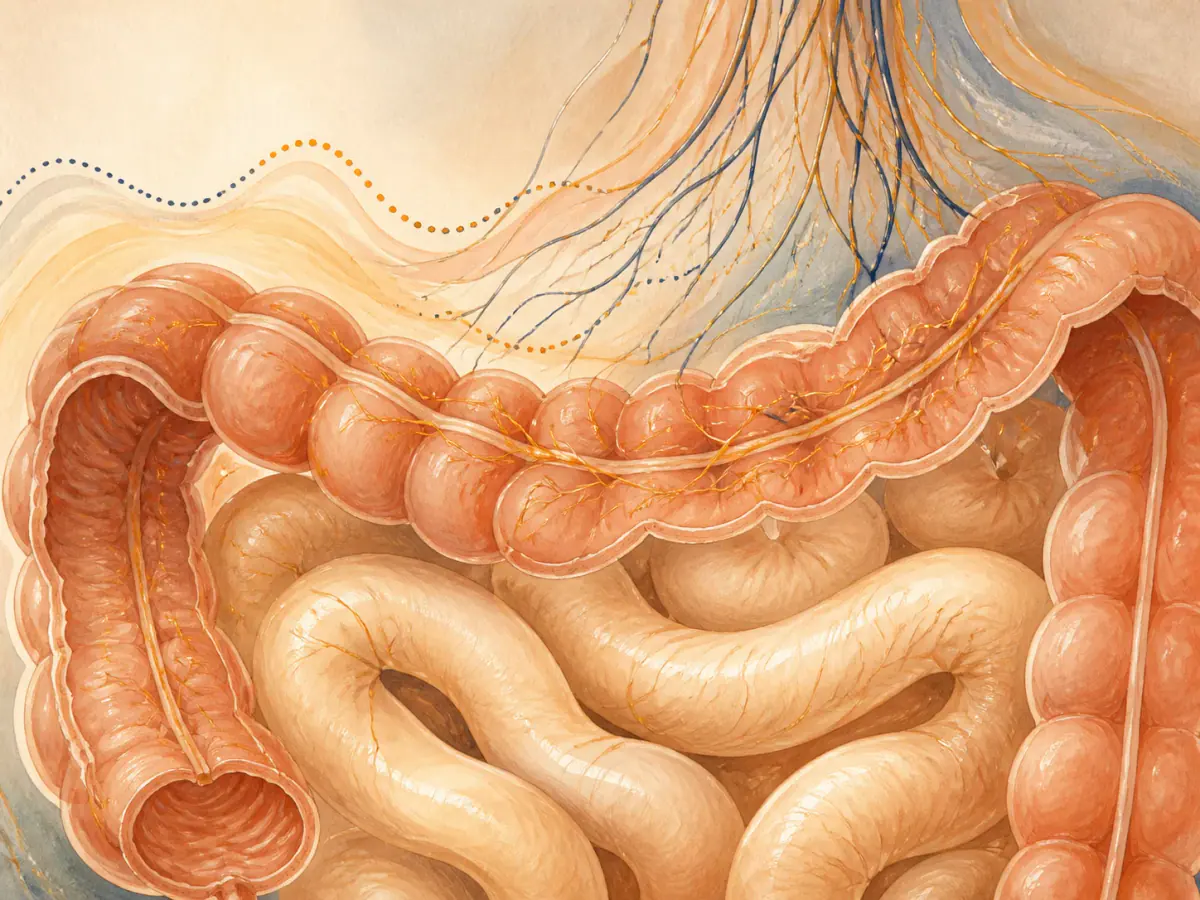
Even without structural damage, if the interaction between intestinal motility and sensation changes, abdominal pain, diarrhea, and constipation may recur.
Conceptual reference · NIDDK: Irritable Bowel SyndromeHerbal medicine pattern identification for food intolerance
Why prescriptions for food intolerance differ based on cold sensations, stagnation, heat, and tension
We look beyond just what was eaten to see if digestive power is weak, if there is sensitivity to cold properties, if there is significant heat and urgent bowel movements, or if tension amplifies the intestinal response.
When you feel easily exhausted and bloated even with a slightly varied diet
We observe fullness, bloating, and undigested stool after small meals. We ask about post-meal drowsiness, fatigue, and delayed weight recovery. We strengthen the digestive and absorptive capacity of the spleen and stomach to increase the amount the body can tolerate.
When the abdomen feels cold and stools are loose after eating cold foods or dairy products
We observe abdominal cold pain, borborygmus (stomach growling), and diarrhea. We check for coldness in the hands and feet, morning lethargy, and whether symptoms improve with warmth. We warm the spleen and stomach and stabilize fluid metabolism and intestinal motility.
When gas and urgent bowel movements are significant after eating greasy or sweet foods
We observe strong-smelling gas, loose stools, and a burning sensation in the anus. We ask about thirst, heaviness of the body, bad breath, and worsening after alcohol consumption. We reduce damp-heat in the intestines and stomach, as well as excessive fermentation and motility burden.
Changes to monitor during treatment
Recovery to observe in the next meal
Reduce unnecessary food restrictions, increase the types and amounts that can be tolerated, and after meals, abdominal pain·reduce bloating and bowel discomfort.
Amount, preparation, and symptom onset time for the same food
Record the 'amount, preparation, and symptom onset time for the same food' along with the time before and after meals to see if the amount eaten and the time it takes to feel comfortable actually change.
Bloating, abdominal pain, stool shape, and recurrence
Record 'bloating, abdominal pain, stool shape, and recurrence' along with the time before and after meals to see if the amount eaten and the time it takes to feel comfortable actually change.
Restriction period, reintroduction, weight, cold sensations, and fatigue
Record 'restriction period, reintroduction, weight, cold sensations, and fatigue' along with the time before and after meals to see if the amount eaten and the time it takes to feel comfortable actually change.
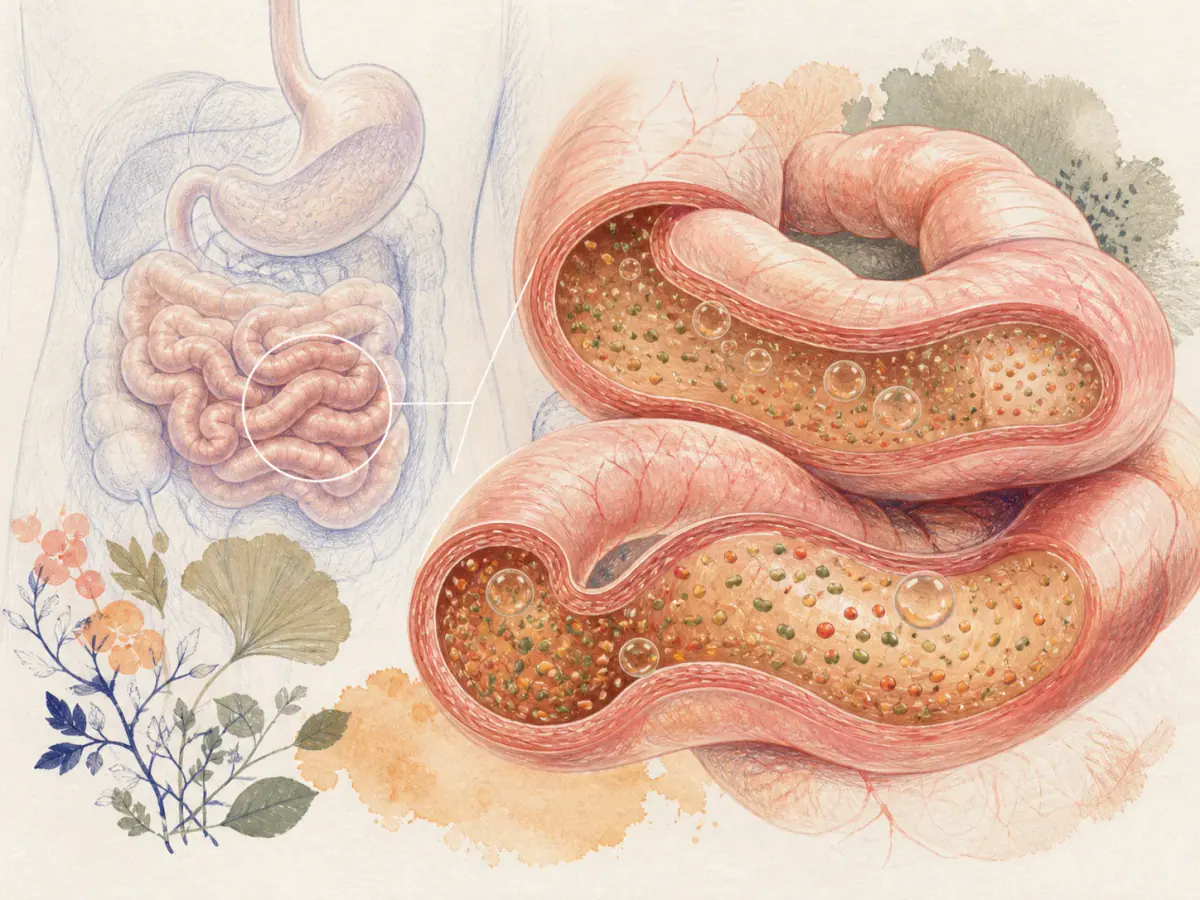
After examining risk factors and the limitations of testing alongside bloating, we interpret the SIBO test results.
Conceptual reference · AGA: SIBO Clinical Practice UpdateAt the crossroads of gastrointestinal motility, sensation, and the gut-brain response
Food reactions are categorized into Spleen and Stomach Qi Deficiency, Cold-Dampness, Damp-Heat, and Liver-Spleen Disharmony
We do not look only at what was eaten, but also whether digestive power is weak, whether there is sensitivity to cold properties, whether there is significant heat and urgent bowel movements, or whether tension amplifies the intestinal response.
Pattern identification is not about arbitrarily adding a disease name to test results. A single person may experience a combination of decreased gastric motility, hypersensitivity, body heat, cold sensations, and tension; if the primary symptoms change based on diet, bowel movements, or sleep, the proportions of the prescription are adjusted accordingly.
When you easily feel exhausted and bloated even with a slightly varied diet
- Changes to observe in digestive symptoms
- We check for fullness, bloating, and undigested stools after small meals.
- Changes to observe in the rest of the body
- We ask about post-meal drowsiness, fatigue, and delayed weight recovery.
- Prescription priority
- We strengthen the digestive and absorptive capacity of the spleen and stomach to increase the amount of food the body can tolerate.
When the abdomen feels cold and stools are loose after eating cold foods or dairy products
- Changes to observe in digestive symptoms
- We check for abdominal cold pain, borborygmus (stomach growling), and diarrhea.
- Changes to observe in the rest of the body
- We check for coldness in the hands and feet, morning lethargy, and whether symptoms improve with warmth.
- Prescription priority
- We warm the spleen and stomach and stabilize fluid metabolism and intestinal motility.
When gas and urgent bowel movements are significant after eating greasy or sweet foods
- Changes to observe in digestive symptoms
- We check for strong-smelling gas, loose stools, and a burning sensation in the anus.
- Changes to observe in the rest of the body
- We ask about thirst, a feeling of heaviness in the body, bad breath, and worsening after alcohol consumption.
- Prescription priority
- It reduces damp-heat in the intestines and stomach, as well as excessive fermentation and motility burden.
When the same food causes more pain on days when you feel anxious
- Changes to observe in digestive symptoms
- We check if abdominal pain, bloating, and urgency are felt more intensely during states of tension.
- Changes to observe in the rest of the body
- We check for palpitations, insomnia, anxiety regarding meals, and avoidance of going out.
- Prescription priority
- We lower autonomic intestinal hypersensitivity and tension to raise the threshold for food reactions.
Order of prescription adjustment
- We look for the reproducibility of the same food and the same amount
Record the quantity and start time rather than just a list of foods.
- Determine the direction of digestive capacity, coldness, heat, and tension
Prescribe based on the conditions where food and intestinal state meet.
- Adjust based on food reintroduction and recovery of daily life
Observe the types and quantities tolerated, weight, and comfort regarding dining out and bowel movements.
Why consider Korean herbal medicine treatment now?
- When bloating, diarrhea, or abdominal pain recur even after removing various foods
- When discomfort recurs at specific quantities, even if tests show no allergies
- When a restrictive diet reduces weight, nutrition, dining out, and the overall scope of life
What is evaluated in herbal medicine treatment for this condition
- Quantity, preparation, and symptom onset time for the same food
- Bloating, abdominal pain, stool shape, and recurrence
- Restriction period, reintroduction, weight, coldness, and fatigue
First, check for swelling of the mouth and throat, breathing, and consciousness
Request immediate emergency help for acute edema, wheezing, dyspnea, or fainting.
Check for bloody stools, weight, growth, and nighttime symptoms
Identify other causes such as Celiac disease, IBS, or IBD, and verify other causes before diagnosing as intolerance.
Align food, quantity, and timing with daily functioning
Observe whether bloating, pain, and stool patterns, as well as interference with family meals, dining out, school, and work, recur in the same scenarios.
Things to prepare before the consultationPlease prepare information on the ingredients and quantities of foods and supplements consumed, symptom onset and duration, stool shape, weight and growth, restricted foods and IgG results, and any changes in the skin, lips, throat, or breathing.
If bleeding, anemia, worsening difficulty swallowing, persistent vomiting, unexplained weight loss, or nighttime diarrhea newly occur, they must be re-evaluated even if past tests were normal. After ruling out these cases, we focus on herbal medicine treatment for chronic or recurring functional digestive symptoms.
Consult about food intolerance progressGastrointestinal Glossary
Additional information to know regarding food intolerance
You can proceed to a detailed explanation after confirming the simple meaning.Frequently Asked Questions
Frequently Asked Questions about food intolerance
When do symptoms typically appear after eating in the case of food intolerance?
Intestinal symptoms usually appear within a few hours, but we also look at the repeatability of the specific food, amount, onset, and duration.
Is it still considered an intolerance if it only hurts when I eat a large amount?
Like lactose, the intensity can vary depending on the amount consumed. Please confirm your tolerance level through records and professional evaluation.
What is the difference between food intolerance and food allergies?
Intolerance is primarily a digestion or processing issue; however, acute swelling, wheezing, difficulty breathing, or fainting are symptoms of an allergy that require immediate medical evaluation.
Should I cut out all foods based on the IgG test results?
No. IgG panels cannot definitively diagnose intolerance, and actual reproducibility and nutrition must be re-evaluated before implementing multiple restrictions.
What are the most common causes of food intolerance?
A representative example is lactase deficiency; however, various digestive, absorptive, and ingredient reactions are not grouped under a single cause.
Are milk intolerance and milk allergy the same?
No. Lactose intoleranceis a sugar digestion problem, whereas a milk allergy is an immune response to proteins.
Is Celiac disease also a type of food intolerance?
No. Celiac disease is a condition involving an immune response to gluten; to ensure an accurate diagnosis, you should not stop consuming gluten before the test.
Evidence and Update Information
Dr. Choi Yeon-seung, a Korean medicine doctor, composed this based on the official professional materials and disease-specific clinical data below, and updated the content on 2026-08-26.
- NHS: Food IntoleranceIntestinal symptoms and duration appearing several hours later; caution regarding food allergies and anaphylaxis
- NIDDK: Lactose Intolerance Symptoms Causes TreatmentDistinguishing between dose-related bloating, gas, abdominal pain, and diarrhea after dairy products versus a milk allergy
- AAAAI: The Myth of IgG Food Panel TestingThe non-definitive nature of food-specific IgG tests and the risks of unnecessary multiple restrictions
- NIDDK: Diagnosis of Celiac DiseaseDifferential diagnosis of Celiac disease as an immune disorder and avoiding a gluten-free diet before testing
- NIDDK: Lactose Intolerance DiagnosisCombined interpretation of symptoms with the lactose hydrogen breath test and differential diagnosis of similar intestinal diseases
- NIDDK: Lactose Intolerance TreatmentIndividual lactose tolerance, lactase, and treatment of secondary underlying diseases
- NIDDK: Lactose Intolerance NutritionIndividual lactose tolerance, lactose-free foods, and dietary choices to maintain calcium and vitamin D