
Gas and abdominal bloating: Read in the order of your curiosity
Before using the term 'functional' lightly
Abdominal bloating cannot be explained by the amount of gas alone
Gas occurs in everyone, and frequency alone does not indicate a disease. The problem is the feeling of fullness, actual abdominal distension, burping· flatulence, pain, and changes in bowel movements that repeat frequently, leading to changes in meetings, dining out, and even clothing. We sequentially examine habits such as eating quickly, fermented foods, constipation, and intestinal sensory sensitivity; if there are sudden changes in symptoms, weight loss, or bleeding, the cause is evaluated first.
Workflow to check before your appointment
Points to check for frequent flatulence by situation
| Situation | First step | Next step |
|---|---|---|
| Within normal range / No pain | Eat slowly / Keep a record | Observation of progress |
| Recurring after specific meals | Check items one by one briefly | Re-evaluate nutritional balance |
| Accompanied by diarrhea, constipation, or abdominal pain | Evaluate digestive causes | Select necessary tests |
| Weight loss, bloody stools, or nighttime symptoms | prompt medical evaluation | Evaluation of inflammation and malabsorption |
When to seek medical attention first
Symptoms of frequent flatulence requiring immediate medical evaluation
If the following changes occur, prioritize related medical care or emergency evaluation over waiting for a Korean herbal medicine consultation or a scheduled outpatient visit.
- Bloody stools, black tarry stools, or repeated vomiting
- Severe and persistent abdominal pain with a hard, distended abdomen
- Complete absence of gas or bowel movements accompanied by vomiting
- Unintentional weight loss, fever, or diarrhea that wakes you up at night
When the abdomen bloats every afternoon despite changing probiotics or digestive aids
We look at stagnation, sensation, bowel movements, and tension, rather than simply trying to reduce the amount of gas
Bloating can be caused not only by actual gas but also by bowel motility, constipation, abdominal wall reactions, and sensory hypersensitivity. Food stagnationQi stagnation·We set the goals for Korean herbal medicine treatment by distinguishing between Spleen deficiency-dampness stagnation, Cold-dampness, and Liver-Stomach disharmony.
Why we observe both the visible bloating of the abdomen and the feeling of bloating together
We record when actual changes in circumference, pressure, and pain begin.
Checking for blockages in the stomach and bowels before gas occurs
We check whether early satiety, belching, constipation, or a feeling of incomplete evacuation occur before the bloating.
Expanding the range of tolerance instead of continuously eliminating foods
During treatment, we monitor how changes occur in the types of food you can eat, as well as the discomfort associated with dining out and clothing.
Treatment GoalsWe aim to reduce the extent and duration of post-meal bloating and ensure comfortable gas passage and bowel movements, thereby reducing the burden of meals and outings.
Consult using gas, abdominal bloating, meal, and bowel movement records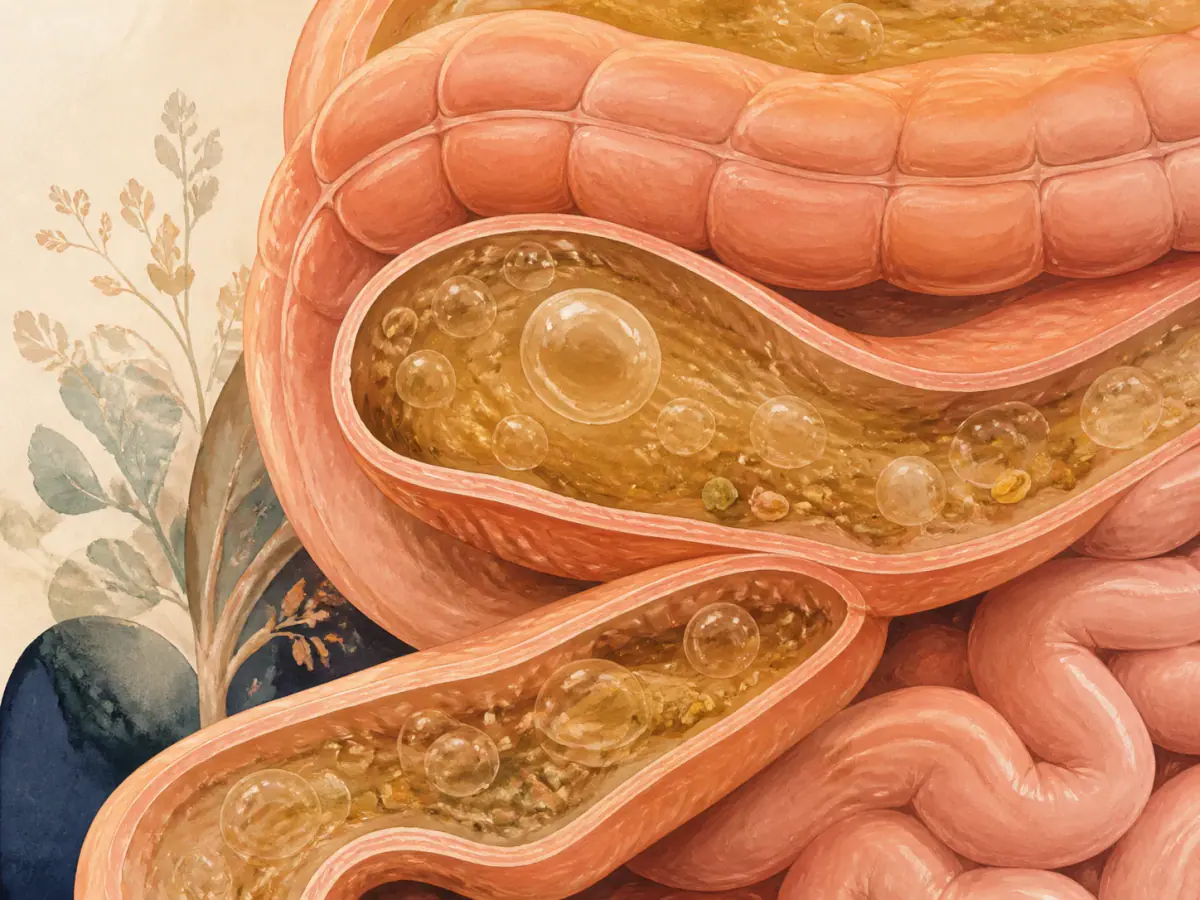
Not only the amount of gas, but also intestinal motility, constipation, food reactions, and sensory sensitivity can contribute to the perceived sensation of bloating.
The illustrations showing the processes occurring in the body are simplified explanations to help understand the location and changes of symptoms; they do not represent an individual's test results or treatment outcomes.If you have had these experiences
For those who have avoided appointments and dining out due to gas and bloating
Bloating can be caused by actual gas as well as intestinal motility, constipation, abdominal wall reactions, and sensory hypersensitivity. Sik-jeokTreatment goals for Korean herbal medicine are determined by differentiating between Qi stagnation, Spleen deficiency with dampness, Cold-dampness, and Liver-Stomach disharmony.
For those who avoid seats in meetings, dates, or public transportation due to odor, sound, or a bloated abdomen
Lactic acid bacteria· When bloating and flatulence recur even after changing digestive enzymes
For those who have tried various lactic acid bacteria, digestive enzymes, gas medications, and restrictive diets, but are unsure what actually made a difference
When bloating leads to avoiding meals, certain clothing, meetings, or going out
For those who want to distinguish between when tests are necessary, when lifestyle adjustments are needed, and when to consider herbal medicine treatment
constipation· When bloating fluctuates along with tension, cold sensations, or fatigue
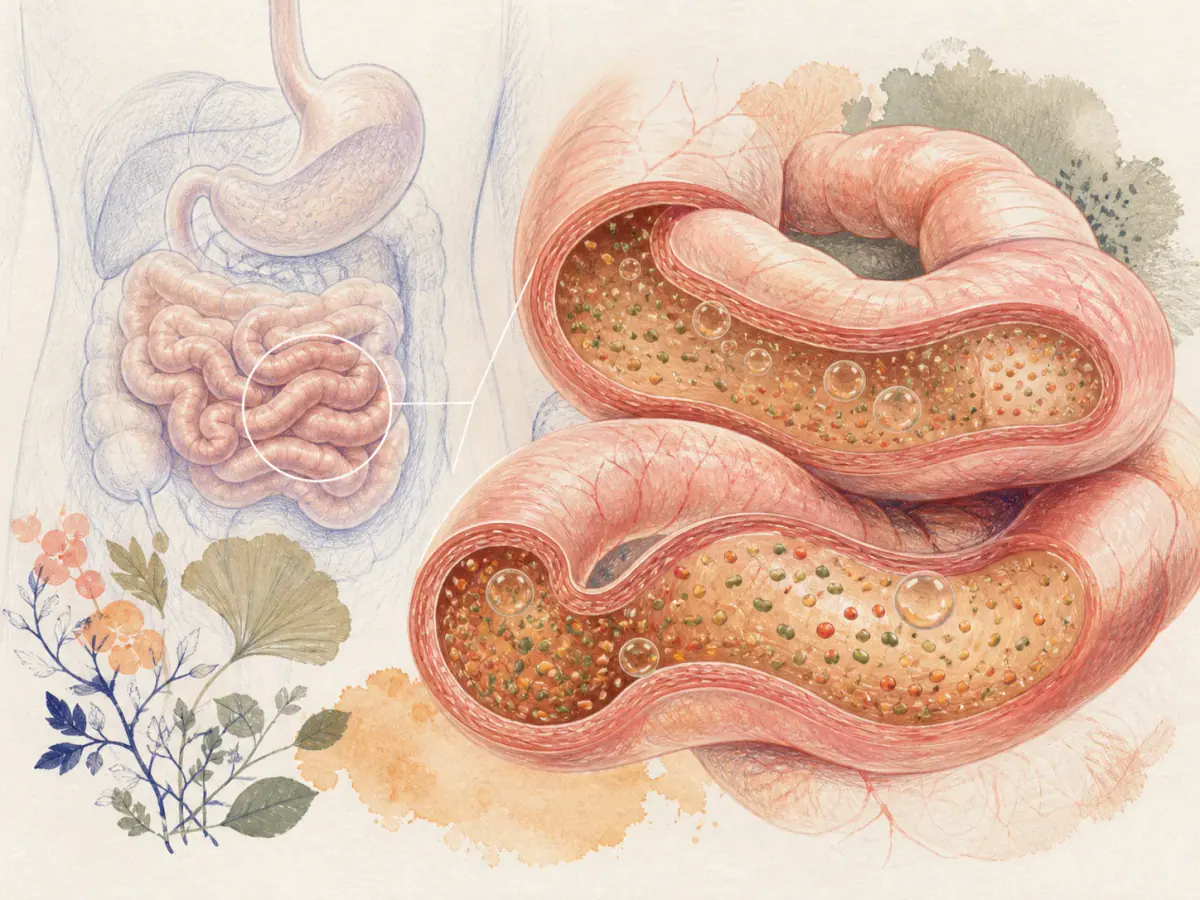
After examining risk factors and the limitations of testing alongside bloating, we interpret the SIBO test results.
Conceptual reference · AGA: SIBO Clinical Practice UpdateThis is how we approach the medical evaluation
Why we examine gas and abdominal bloating together with test results and dietary discomfort
Gas occurs in everyone, and frequency alone does not indicate a disease. The problem arises when there is a feeling of fullness in the abdomen, or actual Abdominal distension, burping, flatulence, pain, and changes in bowel movements recur frequently, leading to changes in meetings, dining out, or clothing. We sequentially examine habits such as eating quickly, fermented foods, constipation, and intestinal sensory sensitivity; if there are sudden changes in symptoms, weight loss, or bleeding, the cause is evaluated first.
Identify symptoms that have suddenly changed and require prompt medical evaluation
Bloody stools, black tarry stools, or recurring vomiting changes should prioritize immediate related medical evaluation.
Observe the time and situation when symptoms occurred
Record when and by how much symptoms have increased compared to usual, and their impact on daily life and sleep.
Check if you can return to activities you have been avoiding
Track not only the intensity of bloating, but also the number of times you avoided eating out, meetings, or public transportation, as well as the tightness of clothing and changes after bowel movements.
Reasons why it may not heal well
Reasons why meals are still uncomfortable despite tests for gas and abdominal bloating
Bloating can be caused by actual gas as well as intestinal motility, constipation, abdominal wall reactions, and sensory hypersensitivity. The goals of Korean herbal medicine treatment are determined by distinguishing between food stagnation and qi stagnation, spleen deficiency and dampness, cold-dampness, and liver-stomach disharmony.
Reasons for observing both the visibly swollen abdomen and the feeling of bloating
Record when actual changes in waist circumference and feelings of pressure or pain begin.
Check for blockages in the stomach and bowels before gas occurs
Early satiety, belching, constipation,tenesmusCheck if this occurs before the bloating.
Expand the range of tolerance to avoid continuously removing foods from your diet
During treatment, observe how changes occur in the foods you can eat, as well as discomfort related to dining out and clothing.
How to keep a symptom timetable
Meal Timetables over Food Names for Gas and Abdominal Bloating
If you provide the meal times and amounts from the last 1-2 weeks, the time when bloating began, stool shape, and the names of probiotics, digestive enzymes, or medications already used, we can categorize the causes to be re-verified and the goals for Korean herbal medicine treatment.
A feeling of fullness in the abdomen is not the same as actual expansion
A feeling of being full inside is bloating, while a visible increase in waist circumference is abdominal expansion. Since the two do not always occur together, photos by time of day or the tightness of clothing can serve as clues.
Burping and flatulence have different exit paths for air
Air swallowed during meals is mainly released as burps, while gas created by the intestinal fermentation of undigested carbohydrates is released as flatulence. First, distinguish which one is the primary issue.
We ask about interference with daily life rather than frequency
Flatulence varies greatly by individual, and the normal range is wide. The criteria for medical evaluation is whether there has been a sudden change, or if pain,diarrheaor constipation cause you to avoid daily activities.
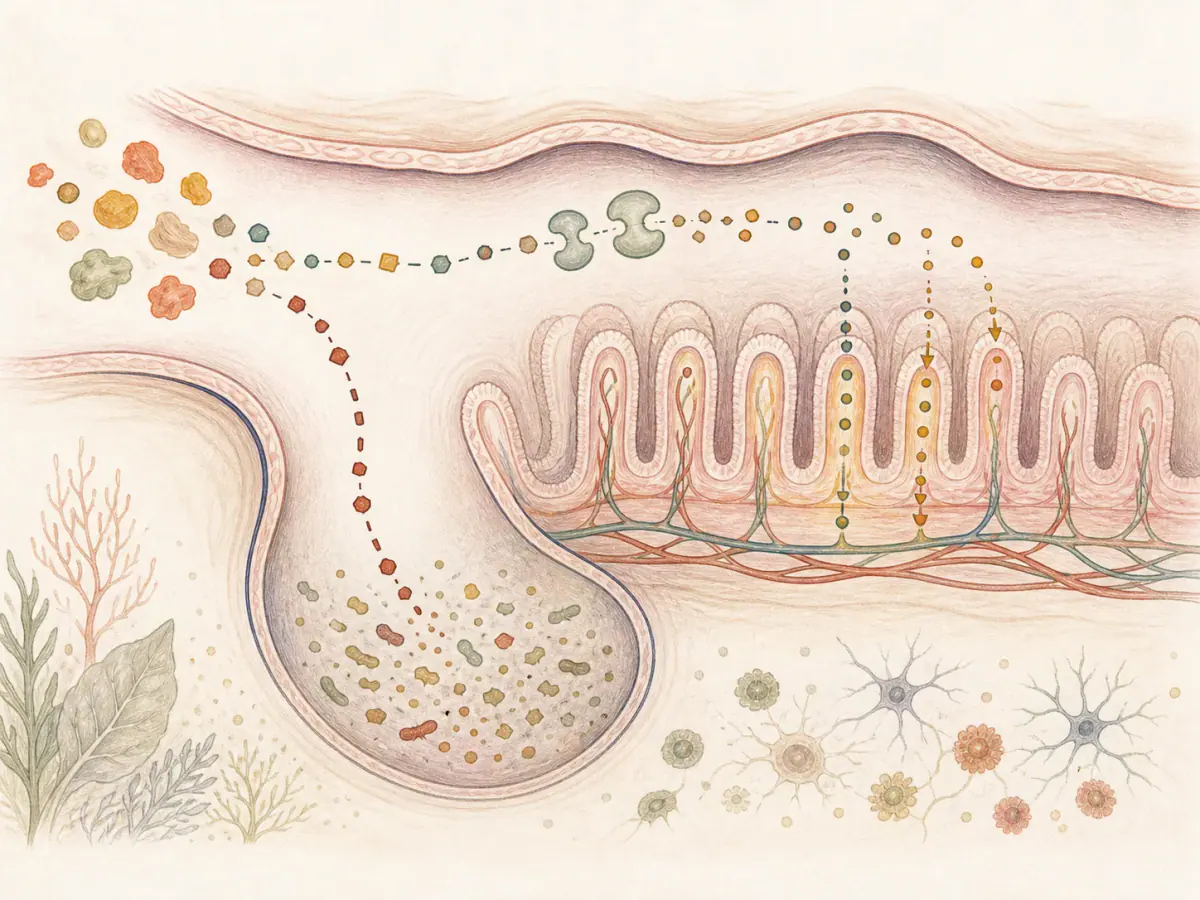
Food intolerance is different from an allergy; rather than indiscriminate restriction, record whether reactions recur with the same food and amount.
Conceptual reference · NIDDK: Lactose IntoleranceKorean herbal medicine pattern identification for gas and abdominal bloating
Why prescriptions for gas and abdominal bloating differ based on cold sensation, stagnation, heat, or tension
We distinguish whether it feels like food is blocked, whether it is a fatigued and damp stagnation, whether the abdomen is cold and slow, or whether the abdominal wall and intestines tighten due to tension.
When the area from the solar plexus to the entire abdomen feels full shortly after eating
We check if burping is blocked and if you feel relieved only after passing gas. We also ask if you experience constipation and chest tightness, even without eating quickly or overeating. We help the movement of the stomach and intestines by resolving post-meal stagnation and blocked Qi.
When the abdomen feels heavy and bloated even without eating much
We check for accompanying bloating, loose stools, or loss of appetite. We also check for edema, post-meal drowsiness, and chronic fatigue. We reduce damp stagnation by strengthening the absorption and fluid metabolism of the spleen and stomach.
When the abdomen makes noise and hurts after consuming cold food or being exposed to cold
We check for abdominal coldness, rumbling sounds, loose stools, or gas stagnation. We ask if you have cold hands and feet, morning lethargy, and if symptoms improve with warmth. We warm the abdomen and stabilize the rhythm of intestinal motility.
Changes to monitor during treatment
Recovery to observe in the next meal
By reducing the extent and duration of post-meal bloating and ensuring comfortable gas passage and bowel movements, we lower the burden of dining and going outdoors.
How many minutes or hours after eating the bloating occurs
By recording 'how many minutes or hours after eating the bloating occurs' along with the time before and after meals, we observe whether the amount eaten and the time it takes to feel comfortable actually change.
Burping, flatulence, abdominal pain, and before/after bowel movements
By recording 'burping, flatulence,abdominal painand before/after bowel movements' along with the time before and after meals, we observe whether the amount eaten and the time it takes to feel comfortable actually change.
Response to restrictive diets/supplements, coldness, and tension
By recording restrictive diets, supplements taken, coldness, and tension along with the time before and after meals, we observe whether the amount eaten and the time it takes to feel comfortable actually change.
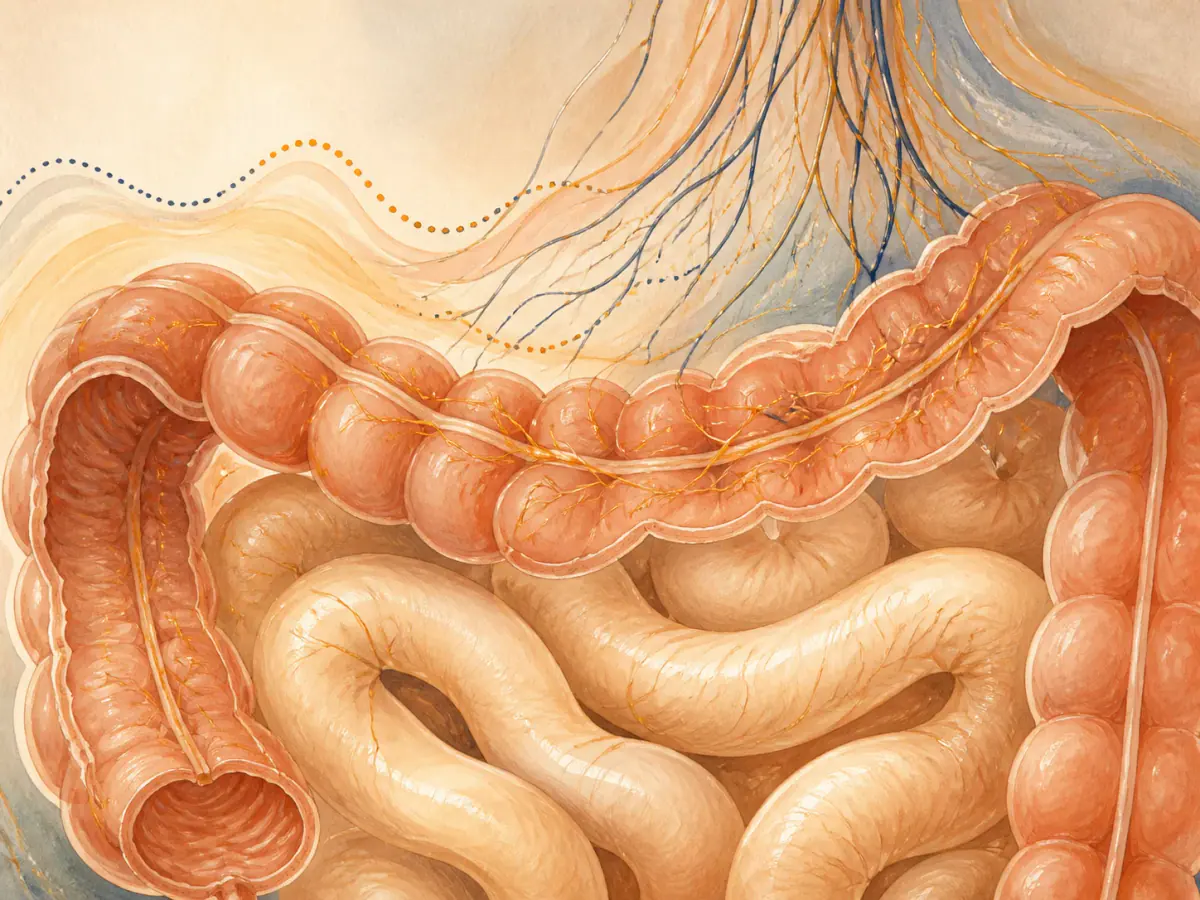
Even without structural damage, if the interaction between intestinal motility and sensation changes, abdominal pain, diarrhea, and constipation may recur.
Conceptual reference · NIDDK: Irritable Bowel SyndromeAt the crossroads of gastrointestinal motility, sensation, and the gut-brain response
Gas and bloating are categorized into food stagnation and qi stagnation, spleen deficiency and dampness, cold-damp stagnation, and liver-stomach disharmony
We distinguish whether it feels like food is blocked, whether it is a fatigued and damp stagnation, whether the abdomen is cold and slow, or whether the abdominal wall and intestines tighten during tension.
Pattern identification is not about arbitrarily adding a disease name to test results. A single person may experience a combination of decreased gastric motility, hypersensitivity, body heat, cold sensations, and tension; if the primary symptoms change based on diet, bowel movements, or sleep, the proportions of the prescription are adjusted accordingly.
When the area from the solar plexus to the entire abdomen feels full immediately after eating
- Changes observed in digestive symptoms
- We check if burping is blocked and if you feel relieved only after passing gas.
- Changes observed in the rest of the body
- We ask if there is constipation and chest tightness, even if you have not eaten quickly or overeaten.
- Prescription priority
- Relieve postprandial stagnation and blocked qi to assist the movement of the stomach and intestines.
When the abdomen feels heavy and swollen even without eating much
- Changes observed in digestive symptoms
- We check for the simultaneous presence of bloating, loose stools, and decreased appetite.
- Changes observed in the rest of the body
- We check for edema, postprandial drowsiness, and chronic fatigue.
- Prescription priority
- Strengthen the absorption and fluid metabolism of the spleen and stomach to reduce damp stagnation.
When the abdomen makes noise and hurts after consuming cold food or being exposed to cold
- Changes to observe in digestive symptoms
- Check for abdominal coldness, rumbling sounds, loose stools, or gas stagnation.
- Changes to observe in the rest of the body
- Check for coldness in hands and feet, morning lethargy, and whether symptoms improve with warmth.
- Prescription priority
- Warm the abdomen and stabilize the rhythm of intestinal motility.
When the abdomen feels tightly constricted after meetings or stress
- Changes to observe in digestive symptoms
- Check if bloating and abdominal pain increase immediately after tension, regardless of the amount of food eaten.
- Changes to observe in the rest of the body
- Check for palpitations, shortness of breath, sighing, and insomnia.
- Prescription priority
- Simultaneously reduce tension-induced autonomic responses and gastrointestinal spasms.
Order of prescription adjustment
- Identify what was blocked before the bloating occurred
Determine the sequence of fullness, belching, constipation, and tension.
- Determine the primary cause among stagnation, dampness, coldness, and tension
Prescribe based on the direction in which post-meal symptoms and systemic clues move together.
- Adjust by observing post-meal waist circumference, duration, and recovery of appetite
Observe the duration of bloating and the comfort level regarding eating out, clothing, and bowel movements.
Why consider Korean herbal medicine treatment now?
- When bloating and flatulence recur despite changing probiotics or digestive enzymes
- When bloating leads to avoiding meals, certain clothing, meetings, or going outdoors
- When constipation, tension, cold sensations, fatigue, and bloating occur together
What is evaluated in herbal medicine treatment for this condition
- How many minutes or hours after meals bloating occurs
- Burping, flatulence, abdominal pain, and conditions before and after bowel movements
- Reactions to restrictive diets or supplements, and cold sensations or tension
Identifying symptoms that have suddenly changed and require prompt medical evaluation
Changes such as bloody stools, black tarry stools, or repeated vomiting require immediate medical evaluation as a priority.
Examining the time and situation when symptoms occurred
Record when and by how much symptoms have increased compared to usual, and their impact on daily life and sleep.
Evaluating whether you can return to activities you have been avoiding
We track not only the intensity of bloating, but also the frequency of avoiding dining out, meetings, or public transportation, as well as clothing tightness and changes after bowel movements.
Things to prepare before the consultationIf you provide the meal times and amounts for the past 1–2 weeks, the time bloating started, the shape of bowel movements, and the names of any probiotics, digestive enzymes, or medications already used, we can discuss the causes to be re-verified and the goals of herbal medicine treatment.
If bleeding, anemia, worsening difficulty swallowing, persistent vomiting, unexplained weight loss, or nighttime diarrhea newly occur, they must be re-evaluated even if past tests were normal. After ruling out these cases, we focus on herbal medicine treatment for chronic or recurring functional digestive symptoms.
Consult regarding gas and abdominal bloating progressGastrointestinal Glossary
Additional information to know from the gas and abdominal bloating guide
You can proceed to a detailed explanation after confirming the simple meaning.Frequently Asked Questions
Frequently Asked Questions about Gas and Abdominal Bloating
Is it considered a lot if I pass gas a certain number of times a day?
There are significant individual differences, and up to 25 times a day can be normal. Rather than the frequency, we look for sudden changes and changes in pain, bowel movements, or weight.
If the smell is strong, does it mean my intestines are unhealthy?
The smell can vary depending on food and sulfur components. We do not diagnose a disease based on smell alone but check for accompanying symptoms.
Is it possible to get a consultation for herbal medicine for frequent flatulence?
After first ruling out weight loss, bleeding, or inflammatory diseases, we provide limited consultations for chronic functional discomfort based on diet and bowel movement records.
Will changing probiotics improve abdominal bloating?
It depends on the type and strain of probiotics, and there is insufficient evidence to uniformly recommend them for bloating or abdominal distension. We record the state before and after intake and first categorize the causes, such as constipation or food intolerance.
Should I get a SIBO breath test immediately?
It is not a necessary test for all cases of gas or bloating. We select the test when there is a benefit after considering risk factors such as a history of abdominal surgery or decreased intestinal motility along with the symptoms.
Evidence and Update Information
Dr. Choi Yeon-seung, a Korean medicine doctor, composed this based on the official professional materials and disease-specific clinical data below, and updated the content on 2026-08-26.
- NIDDK: Symptoms & Causes of Gas in the Digestive TractNormal ranges for flatulence, abdominal bloating, and burping, and symptoms requiring medical evaluation
- NIDDK: Gas in the Digestive TractSwallowed air, carbohydrate fermentation, symptom recording, and testing principles
- AGA: Belching, abdominal bloating and distentionEvaluation of bloating and abdominal distension, and the selection of restrictive diets, breath tests, and constipation treatment
- American Gastroenterological Association: SIBO clinical practice updateLimitations of the SIBO definition, typical symptoms, and nutritional abnormalities
- American College of Gastroenterology: SIBOPatient guidance on SIBO symptoms, risk factors, breath tests, and treatment