Constipation Differentiation
Chronic Constipation vs. Constipation-Predominant IBS: The Difference Lies in Abdominal Pain
While these two conditions can overlap, the focus of treatment differs. We design lifestyle management and Korean herbal medicine and acupuncture treatments by distinguishing whether the intestines are slow, the exit is tense, or if pain and gut-brain hypersensitivity are the primary issues.
Hard stoolIf straining and a feeling of incomplete evacuation are the primary symptoms, it is closer to chronic constipation; if abdominal pain repeatedly changes in relation to bowel movements, constipation-predominant irritable bowel syndrome (IBS-C) is more likely.
| Clue | Chronic Constipation | Constipation-predominant IBS |
|---|---|---|
| Primary Discomfort | Straining, hard stools, feeling of incomplete evacuation | Recurring abdominal pain and constipation together |
| After bowel movement | Centered on changes in the feeling of evacuation | Abdominal pain may change |
| Record | Frequency, Form, Straining | Abdominal pain, Form, Diet, Tension |
| Boundary | Evaluate for bloody stools, weight loss, etc. | Evaluate for nocturnal symptoms and fever |
Chronic constipation centers on the discomfort of difficulty passing stool
Chronic constipation is considered when there is a low frequency of bowel movements, hard stools, a need for prolonged straining, or a recurring feeling of incomplete evacuation. Even if bowel movements occur daily, it cannot be considered normal based on frequency alone if only small lumps are passed or if evacuation is so difficult that manual pressure is required.
Causes are divided into slow intestinal transit, insufficient relaxation of the pelvic floor and anal area during bowel movements, lack of food intake, hydration, and activity, or the influence of medications. Depending on the primary cause, simply increasing fiber laxativesmay not be the correct approach.
The key to constipation-predominant IBS is whether abdominal pain recurs alongside changes in bowel movements
IBS-C is a state where recurring abdominal pain is added to hard stools and straining, and the frequency or form of stool also changes on days when pain is present. While some people feel less pain after a bowel movement, others may feel more uncomfortable; therefore, it is not determined solely by the question, 'Do you feel better after using the bathroom?'
Even if the abdomen bloats every evening, if tenesmusdelayed evacuation is more prominent than abdominal pain, it is viewed as closer to this category and must be separated from cases where epigastric stagnation or post-meal pressure is primary. The 'lower bowel accumulation' mentioned in evening owner is a scenario close to this.
If the abdomen is excessively painful even with gas or a normal amount of stool, and if abdominal pain and difficulty in bowel movements both increase on days of tension, then intestinal hypersensitivity and Gut-brain interactionplay a significant role. In such cases, simply making the stool softer may not sufficiently reduce pain and bloating.
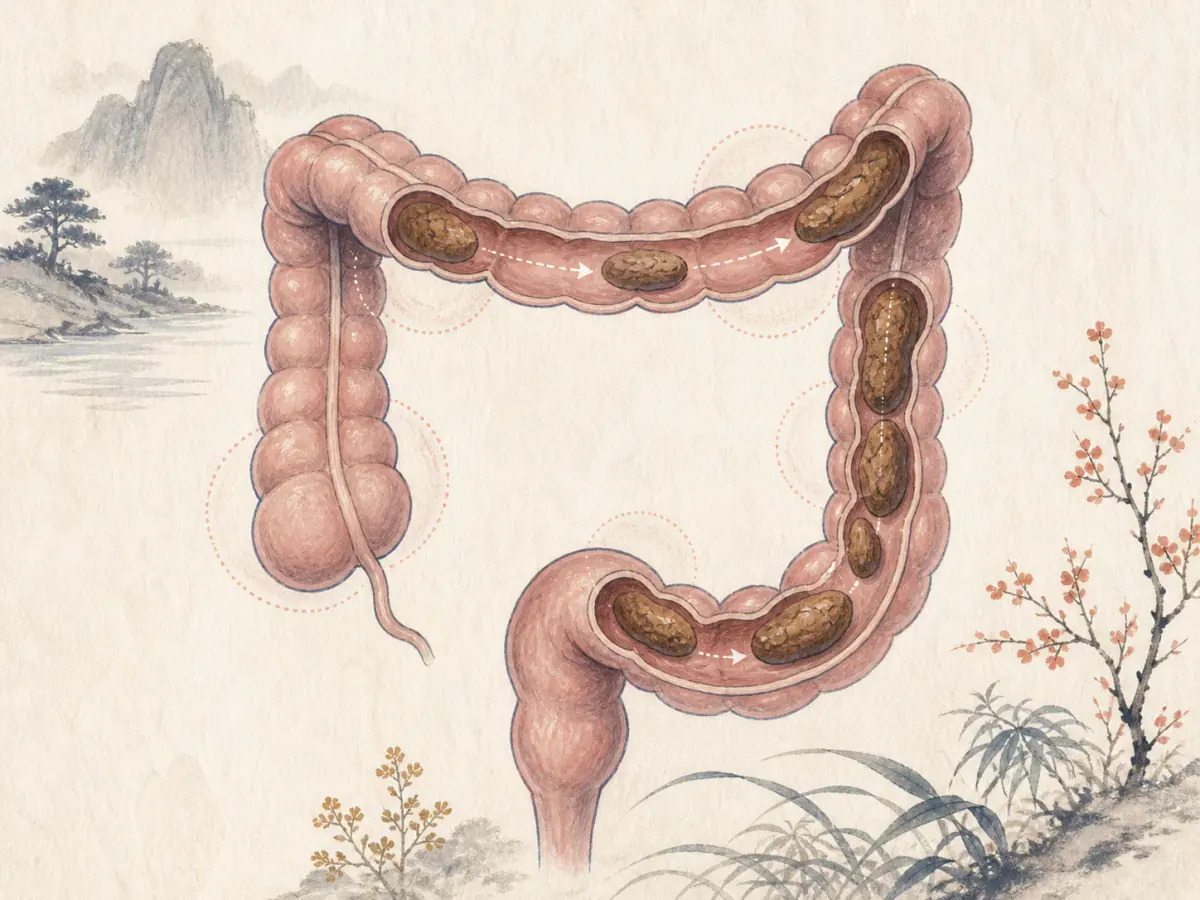
Constipation patterns are distinguished not only by the frequency of bowel movements but also by stool consistency, straining, the feeling of incomplete evacuation, and the amount of time bowel movements are delayed.
These two conditions are not strictly divided by a line but can overlap and shift
To long-term constipation, abdominal painpain and bloating may be added to meet the criteria for IBS-C, or difficulty in evacuation may remain after treatment has reduced the pain. Rather than fixing a single diagnostic name, it is more direct for treatment to identify whether the current primary discomfort is abdominal pain, hard stools, or a blockage at the exit.
The day after using a laxative, loose stoolspassing loose stool does not mean the condition has immediately changed to mixed IBS. The primary stool form and abdominal pain patterns on days without the influence of medication must be observed separately to distinguish between changes in the bowel itself and the response to treatment.
Korean medicine treatment categorizes constipation into dry stools, tension-based blockage, a cold abdomen, and decreased vitality
We do not use the same prescription for everyone: those with dry stools, dry mouth, and severe skin dryness; those whose abdomen feels bloated and blocked with a loss of urge to defecate under stress; those with a cold lower abdomen who feel better when warmed; or those with decreased food intake, low vitality, and slow bowel movement.
At Baekrokdam, we identify whether the cause of excretion issues and abdominal pain is due to a lack of bodily fluids, Qi stagnationtension in the intestines and pelvis, coldness, or decreased vitality of the spleen and stomach. We use Korean herbal medicine to regulate stool moisture, bowel movement, and abdominal pain, and acupuncture to reduce tension in the abdomen and pelvis as well as gut-brain hypersensitivity.
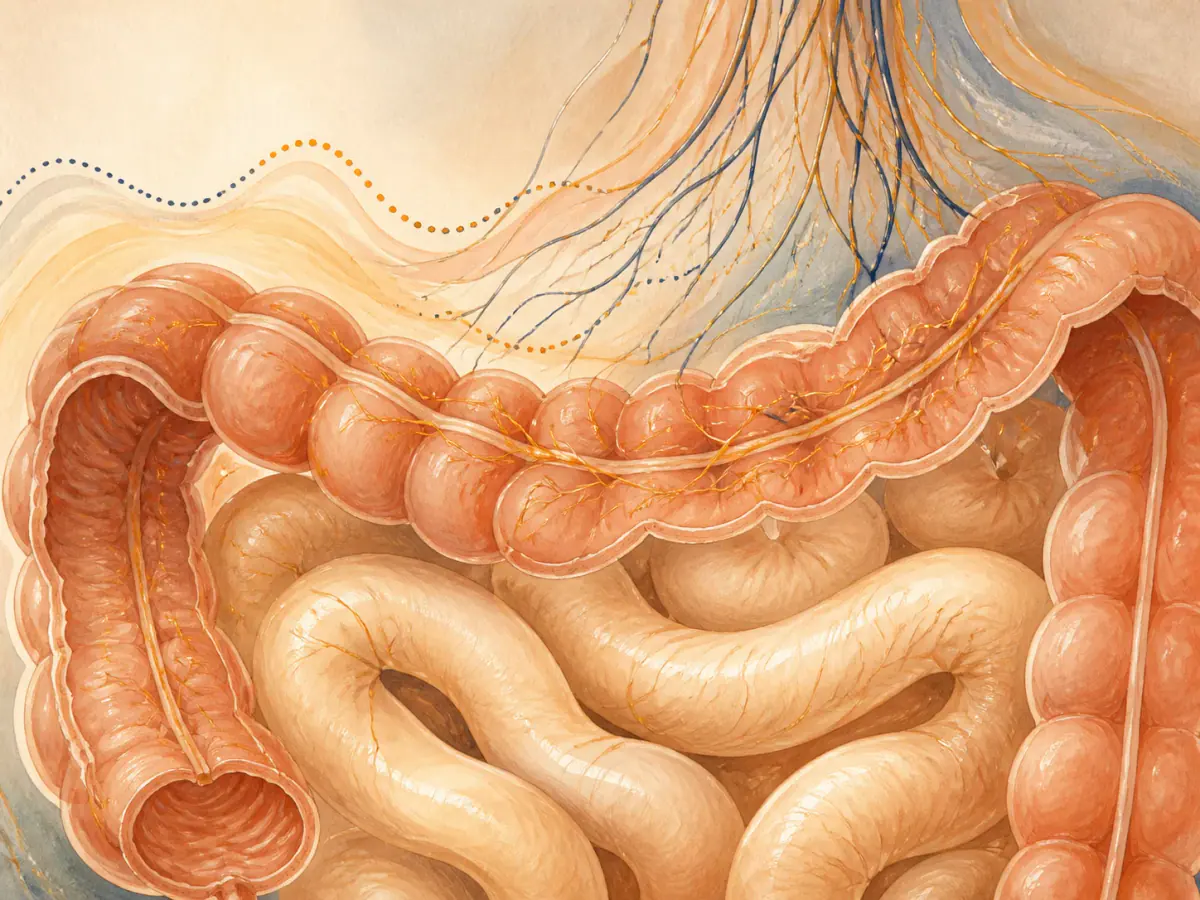
Even without structural damage, if the interaction between intestinal motility and sensation changes, abdominal pain, diarrhea, and constipation may recur.
Lifestyle management is not just about eating as much fiber as possible
For constipation caused by insufficient fluids and food intake, regular meals, hydration, and a gradual increase in soluble fiber can be helpful. However, for IBS-C with severe bloating and abdominal pain, suddenly eating large amounts of coarse fiber can increase gas and pain, so the amount must be adjusted slowly.
Reducing the burden of excretion can be achieved by not missing the time when the bowels move (such as after breakfast), not delaying the urge to defecate for too long, and using a footstool to slightly raise the knees. If you still have to strain for a long time or require manual assistance, you should consider whether an evaluation of excretion function is necessary rather than blaming only your diet.
Improvement is measured by comfortable bowel movements and reduced abdominal pain, rather than just the frequency
While a change from 3 times a week to 5 times is meaningful, it is more important whether the straining time is shorter, the feeling of incomplete evacuation is reduced, and you no longer have to postpone your daily plans due to bowel movements. For IBS-C, the intensity and recovery time of abdominal pain and bloating should decrease along with the frequency of bowel movements.
During a consultation, it is sufficient to provide information on the most common stool shape over the past week, the amount of time spent straining per session, changes in abdominal pain before and after bowel movements, and the type of laxatives currently in use. Based on this, we determine whether to soften the stool, first reduce intestinal tension and pain, or reinforce vitality and movement.
Chronic constipation centers on hard stools, straining, and a feeling of incomplete evacuation, while IBS-C centers more on recurring abdominal pain along with changes in bowel movements. Baekrokdam categorizes these into dryness, tension, coldness, and decreased vitality to determine the sequence of Korean herbal medicine and acupuncture treatments, aiming for comfortable bowel movements and a return to daily life.
Evidence and Update Information
This content was organized by Korean medicine doctor Choi Yeon-seung based on the materials below and was updated on 2026-09-02.
- NIDDK: Constipation
- NIDDK: Irritable Bowel Syndrome
- NIDDK: Constipation symptoms and causesDistinguishing between hard stools, difficulty defecating, and feeling of incomplete evacuation versus bloody stools, abdominal pain, cessation of gas, vomiting, and weight loss