
Irritable Bowel Syndrome: Read in the order of your curiosity
Before using the term 'functional' lightly
Irritable Bowel Syndrome is a condition where abdominal pain and changes in bowel movements recur together
The core of Irritable Bowel Syndrome symptoms is the simultaneous occurrence of recurring abdominal pain related to bowel movements and changes in the frequency and form of stool. Loose stools and sudden urgency of bowel movementsThere are diarrhea-predominant types, constipation-predominant types characterized by hard stools, straining, and a feeling of incomplete evacuation, and mixed types where both patterns alternate. Abdominal bloating and white mucus may accompany these, and symptoms may fluctuate after meals, in the morning, or depending on sleep and tension; however, diarrhea or gas alone is not diagnosed as IBS. Since inflammatory bowel disease is a different condition where intestinal inflammation and damage are confirmed, symptoms such as bloody stools, black stools, anemia, unexplained weight loss, fever, or diarrhea that wakes you up at night are not dismissed as IBS. Severe dehydration or persistent vomiting requires prompt gastrointestinal or emergency evaluation first.
Symptom Classification
Why we examine abdominal pain, changes in bowel movements, and red-flag symptoms together
We look for recurring patterns and the impact on your daily life rather than a single bowel movement.
| Observed Scenario | Symptom Pattern | Next action |
|---|---|---|
| Loose stools or urgency following abdominal pain after meals | Possible diarrhea-type | Record abdominal pain, stool form, and impact on going out |
| Hard stools, straining, feeling of incomplete evacuation, or bloating | Possible constipation-type | Record pain before/after bowel movements and stool form |
| Alternating between constipation and diarrhea | Possible mixed-type | Record the dominant symptom of the day and medication use |
| Only diarrhea is present, and recurrent abdominal pain is not distinct | Distinguish from other diarrheal diseases | Evaluate causes other than IBS |
| Bloody stools, weight loss, fever, nocturnal diarrhea | Warning signs such as inflammation or bleeding | Prompt gastrointestinal evaluation |
When to seek medical attention first
Symptoms that should not be dismissed as IBS
Possibilities of inflammation, bleeding, dehydration, or obstruction are checked first.
- If there are bloody stools, black stools, anemia, or dizziness
- If there is unexplained weight loss, fever, or diarrhea that wakes you up at night
- If there is persistent vomiting making it difficult to maintain hydration, decreased urination, or severe dehydration
- If sudden severe abdominal pain or bloating occurs and no gas or stool is passed
When tests are normal, but abdominal pain and frequent bathroom trips dominate your daily life
Treatment that regulates intestinal sensation and autonomic nerve rhythm, rather than just stopping diarrhea or constipation
IBSis not caused by your mind, but is a condition where abdominal pain, bowel movements, intestinal sensation, and motility are repeatedly disrupted. Within the diarrhea-predominant, constipation-predominant, and mixed types, Korean herbal medicine is prescribed by differentiating between tension, coldness, damp-heat, dryness, and deficiency of energy.
We examine the relationship between abdominal pain and bowel movements rather than just the frequency of stools
We check whether you feel pain before bowel movements and relief after, and whether a sense of incomplete evacuation or urgency remains.
We also examine the process of how your intestines react first when you are nervous
Record the time when pain and urgency begin before commuting, meetings, or using public transportation.
Instead of a list of foods to avoid, we focus on increasing the amount of daily life you can tolerate
During treatment, we observe how meal portions, outings, sleep, and comfortable bowel movement intervals change.
Treatment GoalsThe goal is to reduce the total weekly amount of abdominal pain and urgency, and to increase the feeling of comfort after bowel movements and the predictability of outings, meals, and sleep.
Consult using Irritable Bowel Syndrome (IBS) meal and bowel movement records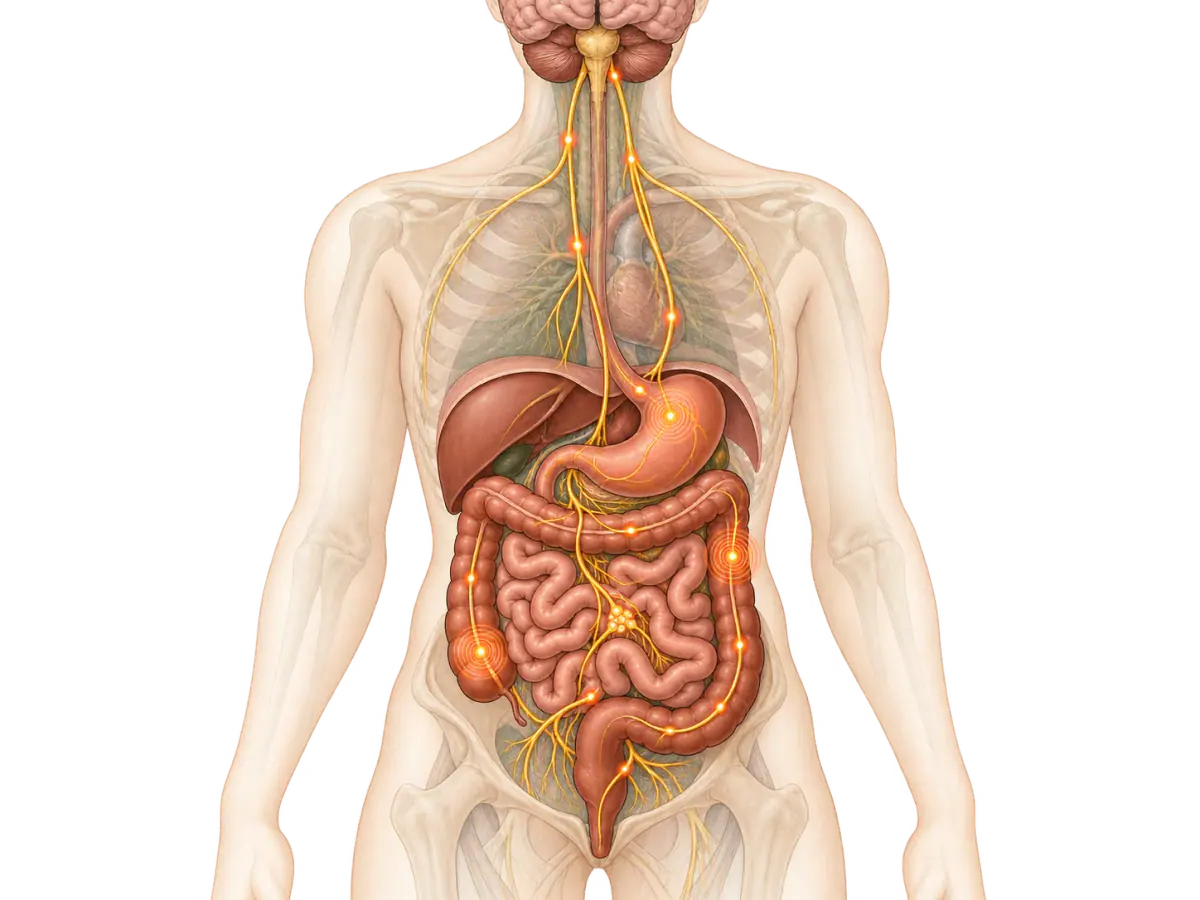
Even if tests show no significant structural abnormalities, the regulation of the autonomic and enteric nervous systems, sensory sensitivity, and motility rhythms can vary depending on meals, sleep, and stress.
The illustrations showing the processes occurring in the body are simplified explanations to help understand the location and changes of symptoms; they do not represent an individual's test results or treatment outcomes.If you have had these experiences
For those who visit the bathroom multiple times in the morning or fear abdominal pain while out
IBS is not caused by your mind, abdominal painbut is a condition where bowel movements, intestinal sensation, and motility repeatedly fluctuate. Within the diarrhea-type, constipation-type, and mixed-type, we prescribe Korean herbal medicine by further categorizing based on tension, coldness, damp-heat, dryness, and lack of energy.
Those who check the location of the bathroom before commuting and visit it multiple times every morning
When abdominal pain and diarrheaconstipation recur for several months despite no major abnormalities in tests
Those who skip meals or avoid going out for fear of sudden abdominal pain during meetings or driving
When urgency andtenesmusincomplete evacuation remain even after changing antidiarrheals, laxatives, or probiotics
For those confused about choosing medication due to alternating hard stools with a feeling of incomplete evacuation and loose stools
When bowel symptoms fluctuate alongside tension, lack of sleep, menstruation, or cold weather
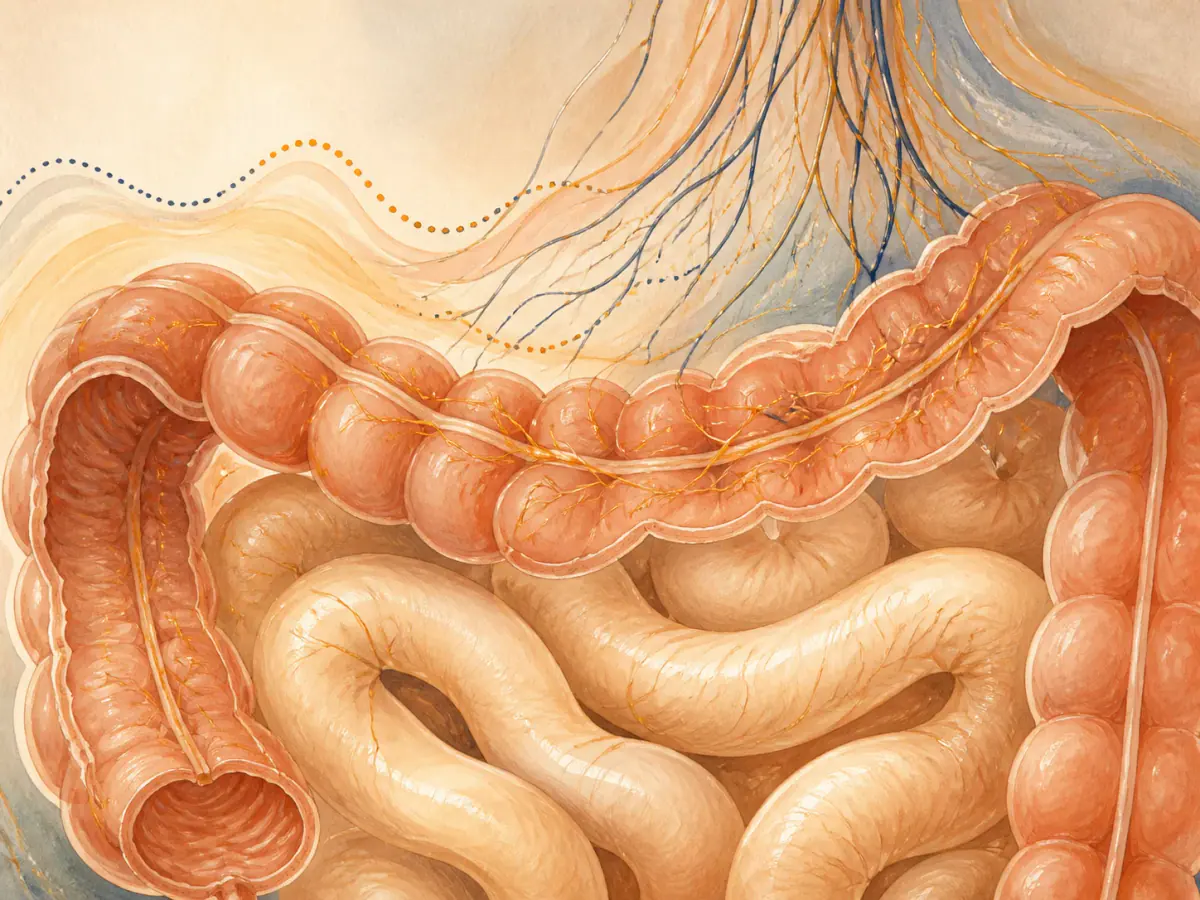
Even without structural damage, if the interaction between intestinal motility and sensation changes, abdominal pain, diarrhea, and constipation may recur.
Conceptual reference · NIDDK: Irritable Bowel SyndromeThis is how we approach the medical evaluation
Irritable Bowel Syndrome: Why we examine both test results and dietary discomfort
The core of Irritable Bowel Syndrome (IBS) symptoms is the simultaneous occurrence of recurring abdominal pain related to bowel movements and changes in stool frequency and form. There is the diarrhea-predominant type, characterized by loose stools and sudden urgency, and the constipation-predominant type, characterized by hard stools, straining, and a strong feeling of incomplete evacuation, constipationand the mixed type, where both patterns alternate. Abdominal bloating and white mucus may accompany these, and symptoms may fluctuate after meals, in the morning, or depending on sleep and tension; however, diarrhea or gas alone is not diagnosed as IBS. Bloody stools, black stools, anemia, unexplained weight loss, fever, diarrhea that wakes you up at night, severe dehydration, and persistent vomiting require prompt gastrointestinal or emergency evaluation first.
Screening for bleeding, inflammation, dehydration, and nighttime symptoms
Bloody stools, black stools, weight loss, fever, nighttime diarrhea, and persistent vomitingsevere bloating are linked to prompt evaluation.
Categorizing into diarrhea-predominant, constipation-predominant, and mixed types
We distinguish between post-meal urgency, hard stools with straining and a feeling of incomplete evacuation, and the alternating flow of constipation and diarrhea.
Comparing days without abdominal pain with times you are able to go out
Record pain before and after bowel movements, stool form, urgency, and instances where you gave up on work, meetings, meals, or sleep because of the bathroom.
Reasons why it may not heal well
Irritable Bowel Syndrome: Why meals may still be uncomfortable even after tests
IBS is not a matter of the mind, but a condition where abdominal pain, bowel movements, intestinal sensation, and motility repeatedly fluctuate. Within the diarrhea, constipation, and mixed types, we prescribe Korean herbal medicine by differentiating between tension, coldness, damp-heat, dryness, and decreased vitality.
Examining the relationship between abdominal pain and bowel movements rather than stool frequency
We check whether there is pain before bowel movements that eases afterward, or if a feeling of incomplete evacuation and urgency remains.
Examining the process of how the intestines react first when under tension
Record the time when pain and urgency begin before going to work, attending meetings, or using public transportation.
Increasing the amount of tolerable daily life instead of providing a list of foods to avoid
During treatment, we observe how meal portions, outings, sleep, and comfortable bowel movement intervals change.
How to keep a symptom timetable
Irritable Bowel Syndrome: Meal schedules are more important than food names
Please prepare information on abdominal pain and changes before/after bowel movements, Bristol stool form, frequency, urgency, the impact of meals, sleep, and outings, as well as any bloody stools, weight changes, fever, and all current medications.
Abdominal pain changes in relation to bowel movements
Write in chronological order whether the pain increases before a bowel movement or decreases afterward, or if it remains completely.
Changes in bowel movement frequency and shape
Record days when stools become loose and frequent, or hard and infrequent, as well as days when both patterns alternate, using the Bristol Stool Scale.
Bloating, a feeling of incomplete evacuation, or mucus may also occur
You may experience abdominal bloating, a feeling of incomplete evacuation, or see white mucus, but a diagnosis is not made based on this symptom alone.
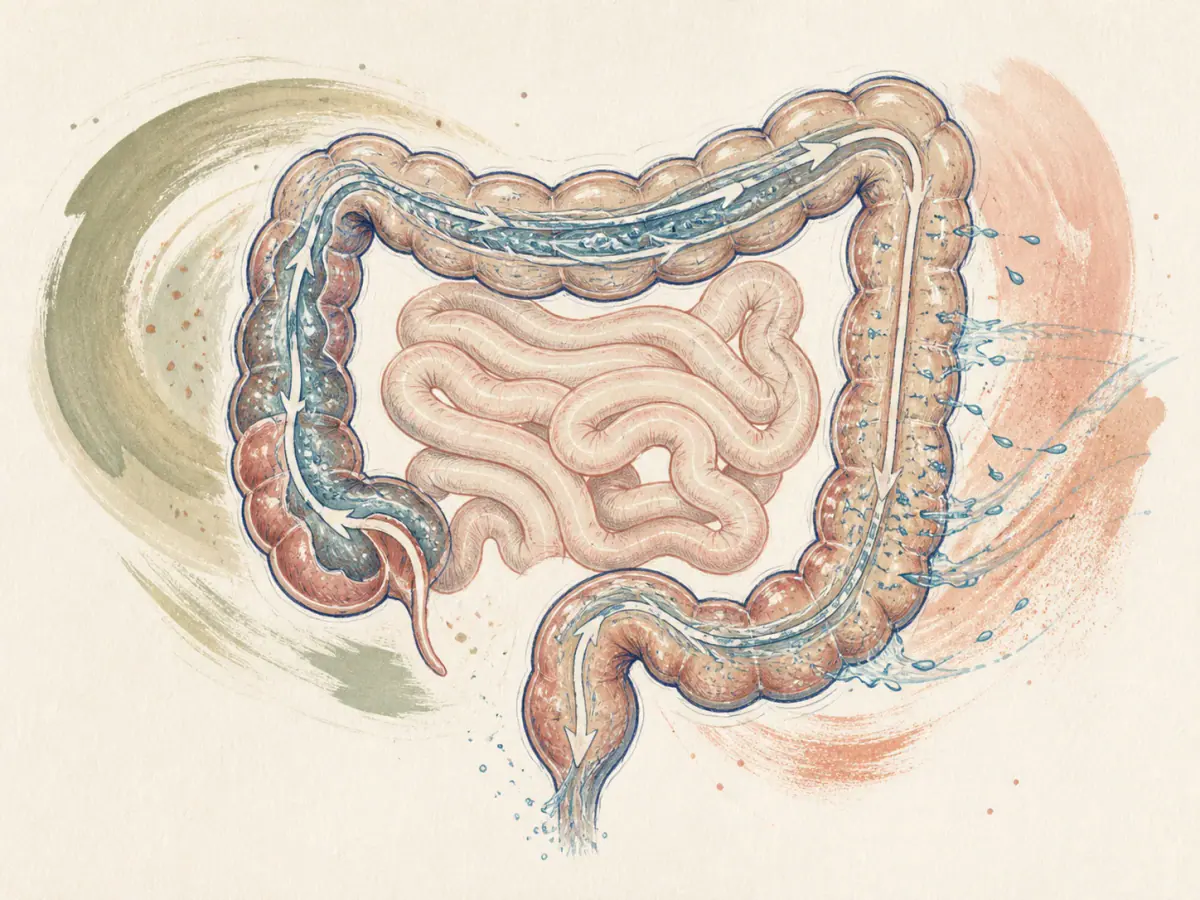
Distinguishing the duration of loose stools, nighttime symptoms, and the timing before and after food or medication intake helps in determining the priority of tests.
Conceptual reference · NIDDK: DiarrheaHerbal medicine pattern identification for Irritable Bowel Syndrome
Why prescriptions for Irritable Bowel Syndrome differ based on cold sensations, stagnation, heat, and tension
Prescriptions are not based solely on whether there is diarrhea or constipation. We categorize symptoms into tension-related abdominal pain with mixed bowel habits, fatigue and cold-induced diarrhea, dry stools with a feeling of incomplete evacuation, and hot, urgent diarrhea.
When tension causes abdominal cramping and alternating diarrhea and constipation
We check if abdominal pain decreases after bowel movements and if stool shape changes abruptly depending on the situation. We also ask about palpitations, sighing, insomnia, and worsening symptoms before meetings or work. Visceral HypersensitivityBy examining changes in intestinal motility and tension responses together, we reduce abdominal pain and mixed bowel habits.
When there are loose stools in the morning and after meals, accompanied by significant fatigue and cold sensations
We check if you need to use the bathroom immediately after eating and if you feel exhausted after bowel movements. We also check for cold hands and feet, loss of appetite, and post-meal drowsiness. We reduce post-meal diarrhea by reinforcing the qi of the spleen and stomach, as well as absorption and motility rhythms.
When there is abdominal pain but stools are hard and evacuation feels incomplete
We check for hard stools, straining, a feeling of incomplete evacuation, and abdominal bloating. We ask about dry mouth, lack of sleep, decreased activity, and tension-related abdominal tightness. We help achieve painless bowel movements by moistening the intestines and releasing blocked qi.
Changes to monitor during treatment
Recovery to observe in the next meal
We aim to reduce the total weekly amount of abdominal pain and urgency, and increase comfort after bowel movements and the predictability of outings, meals, and sleep.
7-day stool shape and changes in abdominal pain before and after bowel movements
By recording 'stool shape and changes before/after bowel movements and abdominal pain for 7 days' along with the time before and after meals, we observe whether the amount eaten and the time it takes to feel comfortable actually change.
Urgency, feeling of incomplete evacuation, and frequency of avoiding outings
By recording 'urgency, feeling of incomplete evacuation, and frequency of avoiding outings' along with the time before and after meals, we observe whether the amount eaten and the time it takes to feel comfortable actually change.
Sleep, tension, cold sensitivity, menstruation, diet, and medications
By recording 'sleep, tension, cold sensitivity, menstruation, diet, and medications' along with the time before and after meals, we observe whether the amount eaten and the time it takes to feel comfortable actually change.
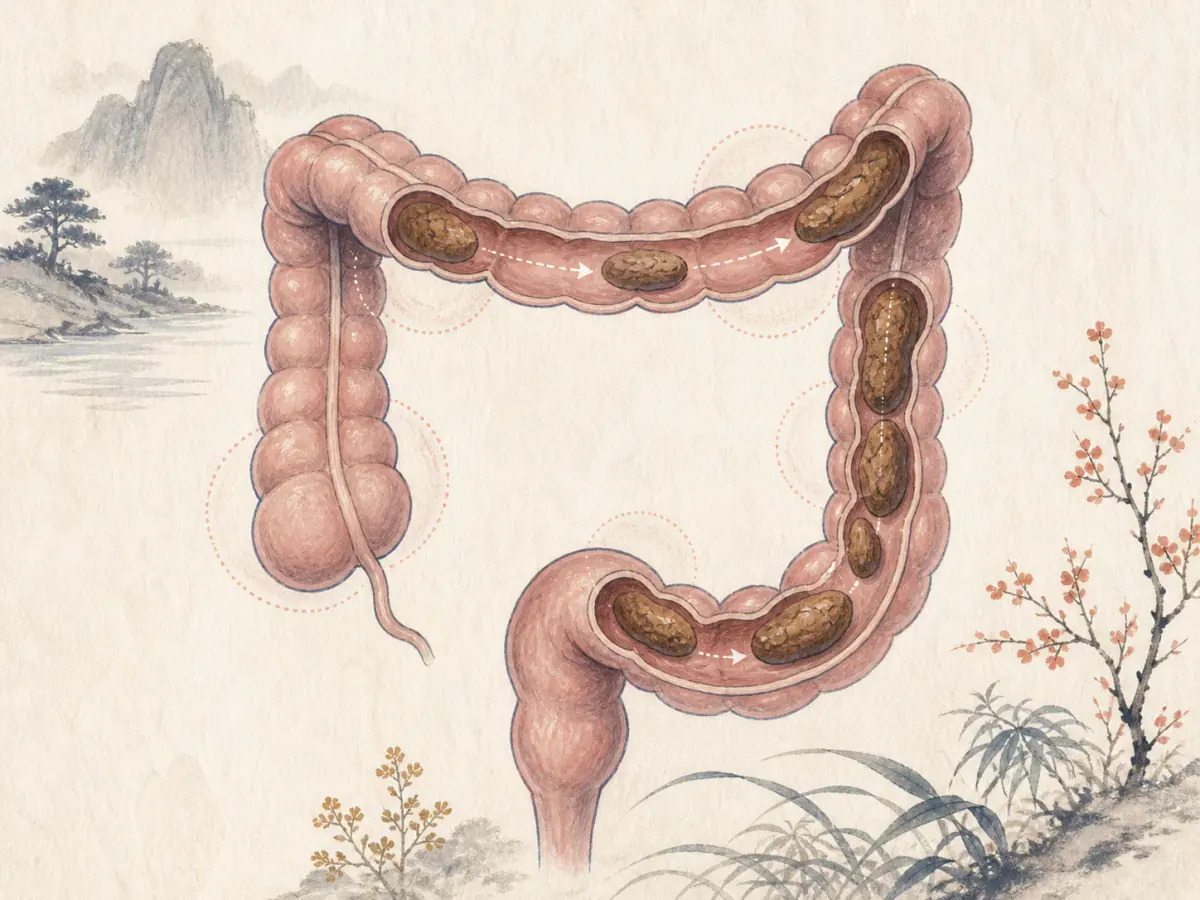
Constipation patterns are distinguished not only by the frequency of bowel movements but also by stool consistency, straining, the feeling of incomplete evacuation, and the amount of time bowel movements are delayed.
Conceptual reference · NIDDK: ConstipationAt the crossroads of gastrointestinal motility, sensation, and the gut-brain response
IBS is divided into Gan-bi-bul-hwa (Liver-Spleen disharmony), Bi-heo (Spleen deficiency) diarrhea, Jang-jo (Intestinal dryness) constipation, and Damp-Heat urgency types
Prescriptions are not based solely on whether there is diarrhea or constipation. We distinguish between tension-related abdominal pain with mixed stool, fatigue and cold-sensitivity diarrhea, dry stool with a feeling of incomplete evacuation, and hot, urgent diarrhea.
Pattern identification is not about arbitrarily adding a disease name to test results. A single person may experience a combination of decreased gastric motility, hypersensitivity, body heat, cold sensations, and tension; if the primary symptoms change based on diet, bowel movements, or sleep, the proportions of the prescription are adjusted accordingly.
When the abdomen feels twisted under tension and diarrhea and constipation alternate
- Changes to observe in digestive symptoms
- We observe if abdominal pain decreases after bowel movements and if stool shape changes abruptly depending on the situation.
- Changes to observe in the rest of the body
- We ask about palpitations, sighing, insomnia, and worsening symptoms before meetings or commuting to work.
- Prescription priority
- We reduce abdominal pain and mixed stool by regulating both liver tension and intestinal hypersensitivity.
When there is loose stool in the morning and after meals, and fatigue and cold sensitivity are significant
- Changes to observe in digestive symptoms
- We observe if you have to go to the bathroom immediately after eating and if you feel drained after bowel movements.
- Changes to observe in the rest of the body
- We check for coldness in the hands and feet, loss of appetite, and drowsiness after meals.
- Prescription priority
- We reduce postprandial diarrhea by reinforcing the energy of the spleen and stomach, as well as absorption and motility rhythms.
When there is abdominal pain but the stool is hard and the evacuation feels incomplete
- Changes to observe in digestive symptoms
- We check for hard stools, straining, a feeling of incomplete evacuation, and abdominal bloating.
- Changes to observe in the rest of the body
- We ask about dry mouth, lack of sleep, decreased activity, and tension-related abdominal tightness.
- Prescription priority
- We help facilitate painless bowel movements by moisturizing the intestines and releasing blocked Qi.
When abdominal heat and urgent loose stools recur
- Changes to observe in digestive symptoms
- We check for strong-smelling loose stools, burning sensations in the anus, mucus, and pain.
- Changes to observe in the rest of the body
- We check for thirst, a feeling of heaviness in the body, and worsening symptoms after drinking alcohol or eating greasy foods.
- Prescription priority
- We reduce damp-heat and excessive motility in the intestines, while first screening for symptoms suggestive of dehydration or inflammation.
Order of prescription adjustment
- Linking abdominal pain with the timing of the urge to defecate
We look at the sequence of pain, urgency, and the feeling of incomplete evacuation, not just the form of the stool.
- Determining the dominant axis among tension, cold sensation, dryness, and heat
Prescriptions are based on recurring patterns found in daily life scenarios and systemic clues.
- Adjusting based on 7 days of lifestyle recovery
We monitor the number of days with abdominal pain, the sense of urgency, comfortable bowel movements, and the recovery of outings and sleep.
Why consider Korean herbal medicine treatment now?
- When abdominal pain, diarrhea, or constipation recur for several months despite no significant abnormalities in tests
- When urgency or a feeling of incomplete evacuation remains even after changing antidiarrheals, laxatives, or probiotics
- When intestinal symptoms fluctuate along with tension, lack of sleep, menstruation, or cold exposure
What is evaluated in herbal medicine treatment for this condition
- Changes in stool form, abdominal pain, and bowel movements over 7 days
- Urgency, feeling of incomplete evacuation, and the number of times outings were avoided
- Sleep, tension, cold sensation, menstruation, diet, and medications
Screening for bleeding, inflammation, dehydration, and nighttime symptoms
Bloody stools, black stools, weight loss, fever, nighttime diarrhea, persistent vomiting, or severe bloating will be linked to a prompt medical evaluation.
Categorizing into diarrhea type, constipation type, or mixed type
Distinguish between post-meal urgency, hard stools, straining, and a feeling of incomplete evacuation, as well as the alternating pattern of constipation and diarrhea.
Compare days without abdominal pain with the time you are able to go outdoors
Record pain before and after bowel movements, stool shape, urgency, and instances where you gave up on commuting, meetings, meals, or sleep due to bathroom needs.
Things to prepare before the consultationPlease prepare information on abdominal pain, changes before and after bowel movements, Bristol stool form, frequency, urgency, the impact on meals, sleep, and outings, as well as bloody stools, weight, fever, and all medications you are taking.
If bleeding, anemia, worsening difficulty swallowing, persistent vomiting, unexplained weight loss, or nighttime diarrhea newly occur, they must be re-evaluated even if past tests were normal. After ruling out these cases, we focus on herbal medicine treatment for chronic or recurring functional digestive symptoms.
Consult about the progress of Irritable Bowel SyndromeGastrointestinal Glossary
Additional information to know regarding Irritable Bowel Syndrome
You can proceed to a detailed explanation after confirming the simple meaning.Frequently Asked Questions
Frequently Asked Questions about Irritable Bowel Syndrome
Is it IBS if I only have diarrhea without abdominal pain?
Since the connection between abdominal pain and changes in bowel movements is key, if only diarrhea is present, other causes of diarrhea and functional diarrhea are evaluated together.
Is it the same disease if constipation and diarrhea alternate?
This can occur in the mixed type. Rather than looking at a single day's bowel movement, record the recurring patterns of abdominal pain, stool consistency, and frequency.
Why does it hurt so much when the tests are normal?
Gut-brain interactionChanges in gut sensation and motility can create actual pain, bloating, and bowel abnormalities even without structural damage.
Is it IBS if I lose weight and have diarrhea at night?
These symptoms are not considered IBS. Weight loss, nocturnal diarrhea, bloody stools, and fever are Inflammatory Bowel Diseaseor promptly identify other causes such as absorption issues.
Does saying stress is the cause mean it is all in my head?
No. While stress contributes to worsening symptoms through the gut-brain axis, it is only one of several biological and environmental factors.
Is it also IBS if it started after enteritis?
Post-infectious IBS can occur, but we first check for persistent infection and other bowel diseases, then evaluate based on recurring abdominal pain and bowel movement patterns.
Is one specific food the cause?
Some foods can trigger symptoms, but they are not the sole cause of all IBS. We check if symptoms recur with the same amount and timing of intake.
Evidence and Update Information
Dr. Choi Yeon-seung, a Korean medicine doctor, composed this based on the official professional materials and disease-specific clinical data below, and updated the content on 2026-08-26.
- NIDDK: IBS symptoms and causesRecurring abdominal pain associated with bowel movements, changes in bowel habits (diarrhea, constipation, or mixed), bloating, and a feeling of incomplete evacuation
- NICE: IBS in adults recommendationsRelationship between abdominal pain and bowel movements, urgency, feeling of incomplete evacuation, bloating, worsening after meals, and red-flag symptoms that should not be ignored
- NIDDK: Diagnosis of Irritable Bowel SyndromeDiagnosis centered on symptom patterns and screening for other diseases such as bloody stools, anemia, and weight loss
- Rome Foundation: Disorders of gut-brain interactionMultifactorial explanation of DGBI involving overlapping bowel motility, visceral hypersensitivity, mucosa, immunity, microbiota, and brain signals
- NICE: IBS Quality Statement 2Positive diagnosis after excluding red-flag symptoms, basic blood and celiac tests, and a list of unnecessary routine tests
- NICE: Faecal calprotectin diagnostic testsContext of inflammatory tests and fecal calprotectin for differentiating Inflammatory Bowel Disease and preventing excessive endoscopy
- NIDDK: Treatment for Irritable Bowel SyndromeOverview of standard IBS treatment combining diet, lifestyle, symptom-specific medications, probiotics, and mental health care
- American College of Gastroenterology: Clinical Guideline: Management of IBSProfessional society guidelines supporting limited low-FODMAP trials, soluble fiber, medication by IBS subtype, and gut-brain behavioral therapy
- NICE: IBS Daily CareRegular meals, activity, relaxation, stepwise self-care, and boundaries for professional dietary management
- NIDDK: Eating, diet and nutrition for IBSPersonalized diet through soluble fiber and the restriction and reintroduction of low-FODMAP foods