Rhythm of Diarrhea and Constipation
When Diarrhea and Constipation Alternate, How Do You Restore Your Bowel Rhythm?
Moving beyond records that only count the frequency of bowel movements, we analyze the sequence of abdominal pain, urgency, meals, sleep, and recovery, and address the disrupted bowel rhythm through Korean herbal medicine treatment and lifestyle adjustments.
suddenly after holding in hard stools for several days loose stoolsexperience loose stools, or have diarrhea in the morning and a feeling of incomplete evacuation in the afternoon, diarrhea and constipation should be viewed as a single cycle rather than treated separately.
| What to observe in one cycle | Clues to read the flow | Significance in treatment |
|---|---|---|
| Change from hard stool to loose stool | Whether it pours out with abdominal pain after being stagnant for several days | A mixed pattern where stagnation and hypersensitivity overlap |
| Abdominal pain before and after bowel movements | Whether you feel relieved after a bowel movement or if cramping remains | The proportion of intestinal movement versus sensory hypersensitivity |
| Urgency and feeling of incomplete evacuation | Whether you suddenly have to rush to the bathroom or feel as though you haven't finished | Priority between suppressing diarrhea and promoting evacuation |
| Nighttime and systemic changes | Diarrhea that wakes you from sleep, fever, bloody stools, or weight changes | Criteria for first identifying causes other than intestinal rhythm |
| Changes following medication or probiotics | Whether the hardness or the looseness of the stool has changed | Adjusting the roles of existing treatments and Korean herbal medicine prescriptions |
If diarrhea and constipation alternate, first look at the sequence
There are cases where stools are hard and difficult to pass for several days, followed by severe abdominal pain and multiple loose stools. In such cases, if you repeatedly take antidiarrheals based only on the final loose stools, you may miss the flow of the preceding stagnation and abdominal painthe overall progression. Conversely, if you leave it for too long, thinking of diarrhea only as a process of clearing the bowels, the sense of urgency and discomfort when going out may increase.
What is important is not the name of today's stool, but what came first within one cycle. Hard stoolUnderstanding the sequence of hard stools, residual feeling, abdominal pain, loose stools, and the time it takes to feel comfortable helps distinguish between constipation-type, diarrhea-type, or mixed-type irritable bowel syndrome and clarifies the initial goal of treatment.
The key is how abdominal pain changes after bowel movements
In irritable bowel syndrome, recurring abdominal pain and changes in bowel movements appear together. Depending on whether the pain decreased after going to the bathroom due to abdominal pain, or whether tenesmuscramps persisted, we can differently interpret whether the intestines are moving too quickly or if stagnation and hypersensitivity are overlapping.
Rather than collecting every single photo of your food, it is more useful to briefly note how long after a meal the pain started, and how the pain changed before and after bowel movements, abdominal bloatingand whether it was severe enough to wake you from sleep. Instead of recording every day like homework until you feel better, it is sufficient to simply note the sequence of days when your symptoms changed.
If you experience bloody or black stools, fever, anemia, unexplained weight loss, or recurring diarrhea that wakes you up at night, we will first check for necessary tests rather than viewing it solely as an issue with intestinal rhythm.
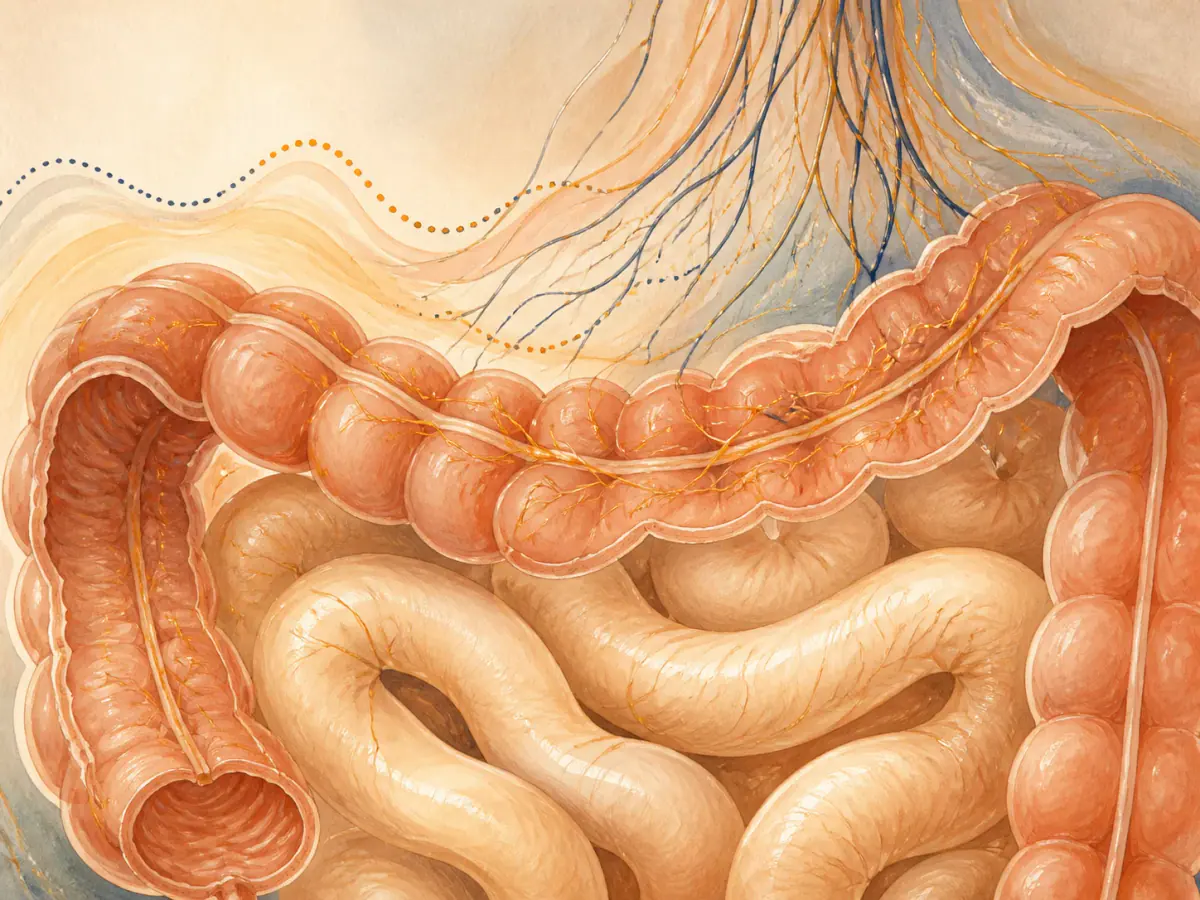
Even without structural damage, if the interaction between intestinal motility and sensation changes, abdominal pain, diarrhea, and constipation may recur.
Indiscriminately skipping meals can make the intestines more sensitive
Many people find that as they cut out milk, flour, spicy foods, or fruits one by one whenever symptoms occur, the variety of foods they can eat decreases, but the intestinal rhythm remains the same. While we observe if the same reaction repeatedly occurs after specific foods, we do not excessively restrict your diet based on just one or two coincidences.
Habits such as skipping breakfast and eating lunch in a hurry, or holding it in during weekdays and using the bathroom multiple times after returning home, can lead to mixed bowel movements. Start by keeping meal intervals consistent, dividing the burden of a single meal by focusing on warm water and familiar foods, and not ignoring the urge to have a bowel movement for too long.
Herbal medicine treatment regulates the movement of the entire intestine rather than just the shape of the stool
Even with the same mixed bowel movements, treatment priorities differ for those who have a cold abdomen and diarrhea immediately after meals, those who experience abdominal pain and urgency first when nervous, or those who experience a sudden release after several days of stagnation. Baekrokdam looks beyond simply stopping or pushing out bowel movements; we examine the strength of the spleen and stomach to accept food, intestinal tension and movement, and imbalances in cold-heat and fluid metabolism.
Herbal medicine treatment is designed to reduce the fluctuation between hard and loose stools and to speed up recovery after abdominal pain. If there is significant abdominal tension and Autonomic nervous system strong reactions, acupuncture treatment is combined to lower the threshold of intestinal sensitivity and create a rhythm that does not easily collapse even if meals or sleep patterns change.
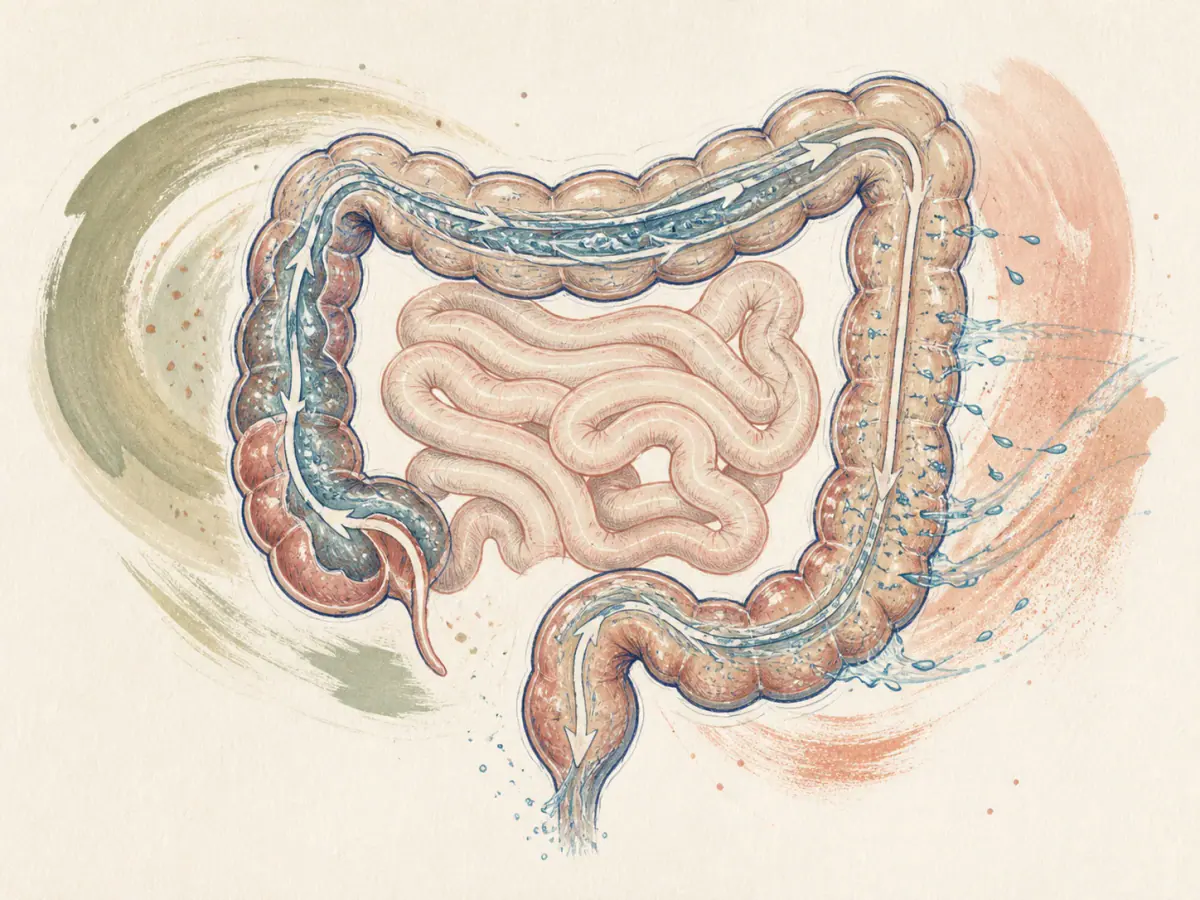
Distinguishing the duration of loose stools, nighttime symptoms, and the timing before and after food or medication intake helps in determining the priority of tests.
Recovery is confirmed not by 'once a day,' but by a predictable day
The goal is not simply to make the frequency of bowel movements perfectly consistent. More realistic criteria for recovery include not having to change your route due to sudden urgency, not having prolonged abdominal pain or a feeling of incomplete evacuation after a bowel movement, and returning to your original rhythm within a day or two even after an unfamiliar meal.
During your consultation, you do not need to submit every meal from the past week. We can determine the direction of the herbal medicine prescription and lifestyle adjustments just by discussing a representative day when stools changed from hard to loose, when abdominal pain was most severe, and the difference on a relatively comfortable day.
Rather than trying to stop diarrhea and constipation separately, we must look at the sequence of stagnation, abdominal pain, loose stools, and recovery. The goal of herbal medicine treatment is not a single number of bowel movements, but restoring a predictable intestinal rhythm.
Evidence and Update Information
This content was compiled by Korean medicine doctor Choi Yeon-seung and updated on 2026-08-31 based on the following materials.
- NIDDK: Irritable Bowel Syndrome
- NIDDK: Symptoms & Causes of Crohn’s Disease
- NIDDK: IBS symptoms and causesRecurring abdominal pain associated with bowel movements, changes in bowel habits (diarrhea, constipation, or mixed), bloating, and a feeling of incomplete evacuation