
Gastritis: Read in the order of your curiosity
Before using the term 'functional' lightly
It is necessary to distinguish between the gastritis findings from an endoscopy and the discomfort you are currently feeling
gastritisMany people have no symptoms even if they have gastritis or gastric disease. If symptoms are present, they may include pain, discomfort, or a burning sensation in the epigastric area, nausea or vomiting, early satiety (feeling full after a few spoonfuls), postprandial fullness, and loss of appetite or weight. Gastritis is inflammation of the mucosa, while a peptic ulcer is a deeper wound in the stomach or duodenum, so they are not the same. Since the degree of inflammation seen on an endoscopy does not always correlate with the level of discomfort felt, not all upper abdominal symptoms are explained by gastritis alone. If you vomit blood or coffee-colored material, have black stools, dizziness, or shortness of breath, bleeding must be evaluated. If sudden upper abdominal discomfort is accompanied by chest pain, cold sweats, shortness of breath, or pain radiating to the jaw, neck, or arms, heart issues must be evaluated first.
Symptom Assessment
Why we look at the timeline, the impact of meals, and symptoms suggestive of bleeding rather than just the type of sensation
We distinguish between endoscopic findings and current discomfort to identify problems that require priority treatment and assess the impact on eating habits.
| Current Status | Clues to Consider | Next action |
|---|---|---|
| Gastritis findings during a checkup without any symptoms | Changes in food intake, weight, and medications | Confirm the cause of the findings and the follow-up plan |
| Recurring pain or burning sensation in the epigastric area (upper center of the abdomen) | Timing relative to meals, nausea, vomiting | Evaluate causes other than gastritis during medical evaluation |
| Early satiety or postprandial fullness | Amount consumed per meal, weight, interference with work | If symptoms persist, seek medical evaluation to identify the cause |
| Vomiting blood, black stools, dizziness, shortness of breath | Possibility of bleeding and decreased circulation | Immediate emergency evaluation |
| Sudden pain with cold sweats or radiating pain | Possibility of cardiac or other acute causes | Emergency evaluation takes priority |
When to seek medical attention first
Symptoms that should not be dismissed as typical gastritis
The following changes require prompt medical evaluation before scheduled consultations or dietary adjustments.
- Vomiting blood or coffee-colored material, or passing black, sticky stools or bloody stools
- Symptoms suggestive of bleeding accompanied by severe fatigue, dizziness, shortness of breath, or a feeling of fainting
- In case of sudden severe upper abdominal pain, chest pain, cold sweats, shortness of breath, or pain radiating to the jaw, neck, or arms
- In case of persistent vomiting, difficulty swallowing, or progressive loss of appetite and weight
When gastritis findings do not necessarily correlate with actual discomfort
Rather than simply repeating the name of the inflammation, we categorize symptoms into burning sensations, cold-induced pain, early satiety, and recovery capacity
After first ruling out causes to be verified such as Helicobacter, medication, or ulcers, if burning in the epigastrium and digestive discomfort persist, we evaluate mucosal heat and dryness, gastric coldness and motility, and tension-induced reflux Byeonjeung (pattern identification)does.
Endoscopic findings and symptom intensity are viewed separately
We distinguish whether discomfort is significant despite mild gastritis findings, and which symptoms remain after treating the cause.
We distinguish between a burning stomach and a cold, aching stomach
Burning sensations and dry mouth differ from cold-induced pain that improves with warmth; the direction of the herbal medicine prescription is different for each.
Why we look at the recovery of both the mucosa and gastrointestinal function
Along with food intake, pain, and nausea, we check for fatigue, anemia, dryness, and sleep quality.
Treatment GoalsWe aim to reduce the frequency of epigastric pain and burning, and ensure the recovery of food intake, mucosa, and gastrointestinal function.
Consult using gastritis diet and bowel movement records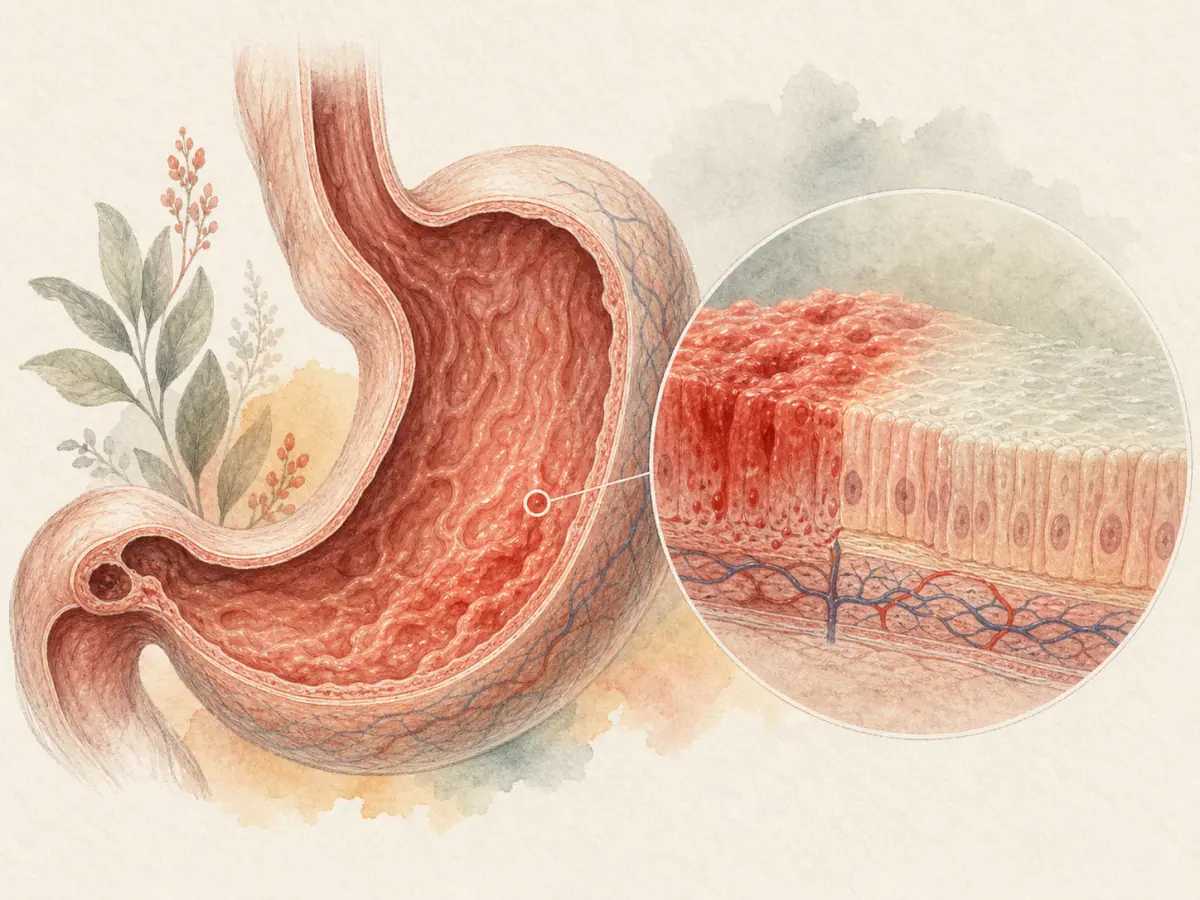
Along with gastritis symptoms, mucosal changes, potential causative medications, and the presence of infection are confirmed through necessary tests.
The illustrations showing the processes occurring in the body are simplified explanations to help understand the location and changes of symptoms; they do not represent an individual's test results or treatment outcomes.If you have had these experiences
For those who were told they have gastritis during a checkup or experience recurrent epigastric discomfort during meals
After first ruling out causes to be verified such as Helicobacter, medication, or ulcers, if burning in the epigastrium and digestive discomfort persist, we perform pattern identification for mucosal heat and dryness, gastric coldness and motility, and tension-induced reflux.
For those whose screening endoscopy shows mild gastritis, but who experience epigastric pain when eating at home
When epigastric pain, burning, or nausea recurs even after treating the cause
For those who leave meals because they feel full and nauseous after only a few spoonfuls during company lunch
When food intake and early satiety do not improve even after taking gastrointestinal medication
For those worried about whether black stools, dizziness, or sudden chest pain can be dismissed as usual gastritis
When symptoms show a clear pattern depending on fasting, post-meal, tension, or cold exposure
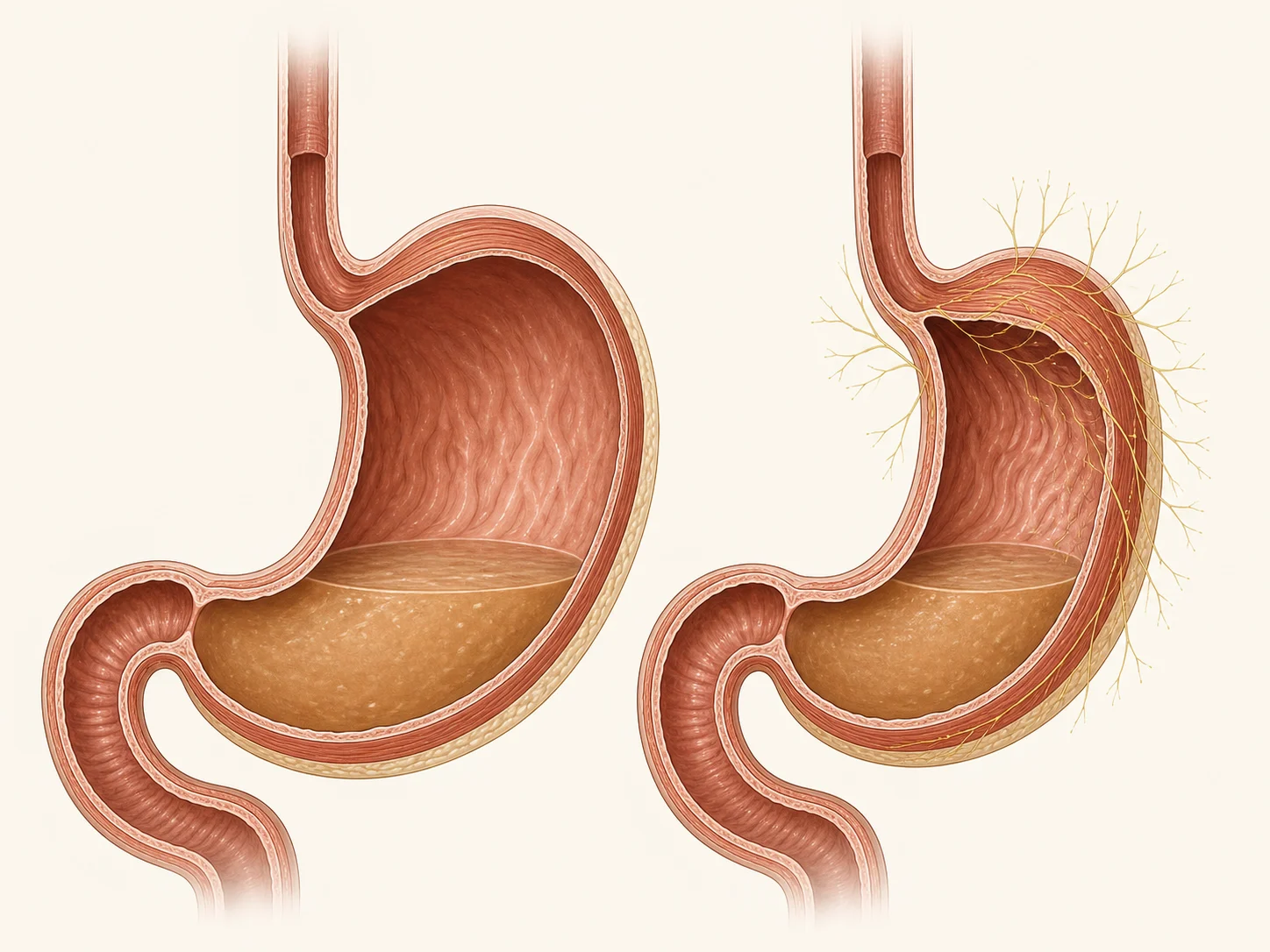
In functional dyspepsia, even without mucosal damage, differences in how the upper stomach adapts to and senses food after a meal can lead to early satiety and epigastric pressure.
Conceptual reference · NIDDK: IndigestionThis is how we approach the medical evaluation
Gastritis: Why we evaluate test results and dietary discomfort together
Many people have no symptoms even if they have gastritis or gastric pathology. If symptoms are present, they may include pain, discomfort, or a burning sensation in the epigastric area (upper center of the abdomen), nausea or vomiting, early satiety (feeling full after only a few spoonfuls), post-meal fullness, and loss of appetite or weight. Since the degree of inflammation seen on an endoscopy is not always proportional to the discomfort felt, we do not explain all upper abdominal symptoms by gastritis alone. If you vomit blood or coffee-colored material Black stools, or experience dizziness and shortness of breath, bleeding must be evaluated. If sudden upper abdominal discomfort is accompanied by chest pain, cold sweats, shortness of breath, or pain radiating to the jaw, neck, or arms, heart issues must be evaluated first.
Prioritizing the evaluation of bleeding, heart issues, and severe upper abdominal risks
Emergency priorities are determined by checking the color of vomit and stool, dizziness, shortness of breath, and sudden chest pain or cold sweats.
Distinguishing between mucosal findings and early satiety or dietary function
Rather than relying solely on endoscopy results, we also check the timeline of pain, meal portions, weight, and current medications.
Identifying the cause first, then monitoring recurring discomfort and recovery
After ruling out specific causes, we track whether epigastric discomfort, meal intake, sleep, and work function recover together.
Reasons why it may not heal well
Gastritis: Why eating may not become comfortable even after tests
If epigastric burning and digestive discomfort persist after ruling out causes such as H. pylori, medication, or ulcers, we perform a pattern identification (Byeonjeung) for mucosal heat and dryness, gastric coldness and motility, or tension-induced reflux.
Evaluating endoscopic findings and symptom intensity separately
We distinguish whether there is significant discomfort despite mild gastritis findings, or which symptoms remain after treating the cause.
Distinguishing between a burning stomach and a cold, aching stomach
Burning sensations and dry mouth differ from cold pain that improves with warmth; these require different directions for herbal medicine prescriptions.
Why we monitor the recovery of both the mucosa and gastrointestinal function
Along with meal portions, pain, and nausea, we check for fatigue, anemia, dryness, and sleep quality.
How to keep a symptom timetable
Gastritis: Meal schedules are more important than the names of foods
Please prepare your endoscopy results, the onset of symptoms and changes before and after meals, meal portions, weight, vomitingstool color, a full list of medications, and whether you have chest pain or shortness of breath.
Endoscopic findings are not proportional to discomfort
You may feel comfortable even if inflammation or damage is visible on the mucosa, and severe symptoms may be caused by other concurrent factors.
Categorizing the patterns of epigastric discomfort
Record when pain or burning sensations occur and their relationship with meals in chronological order.
Why we examine other causes of upper abdominal discomfort
Since reflux, ulcers, and issues with the pancreas or bile ducts can cause similar discomfort, we evaluate necessary tests and symptoms together.
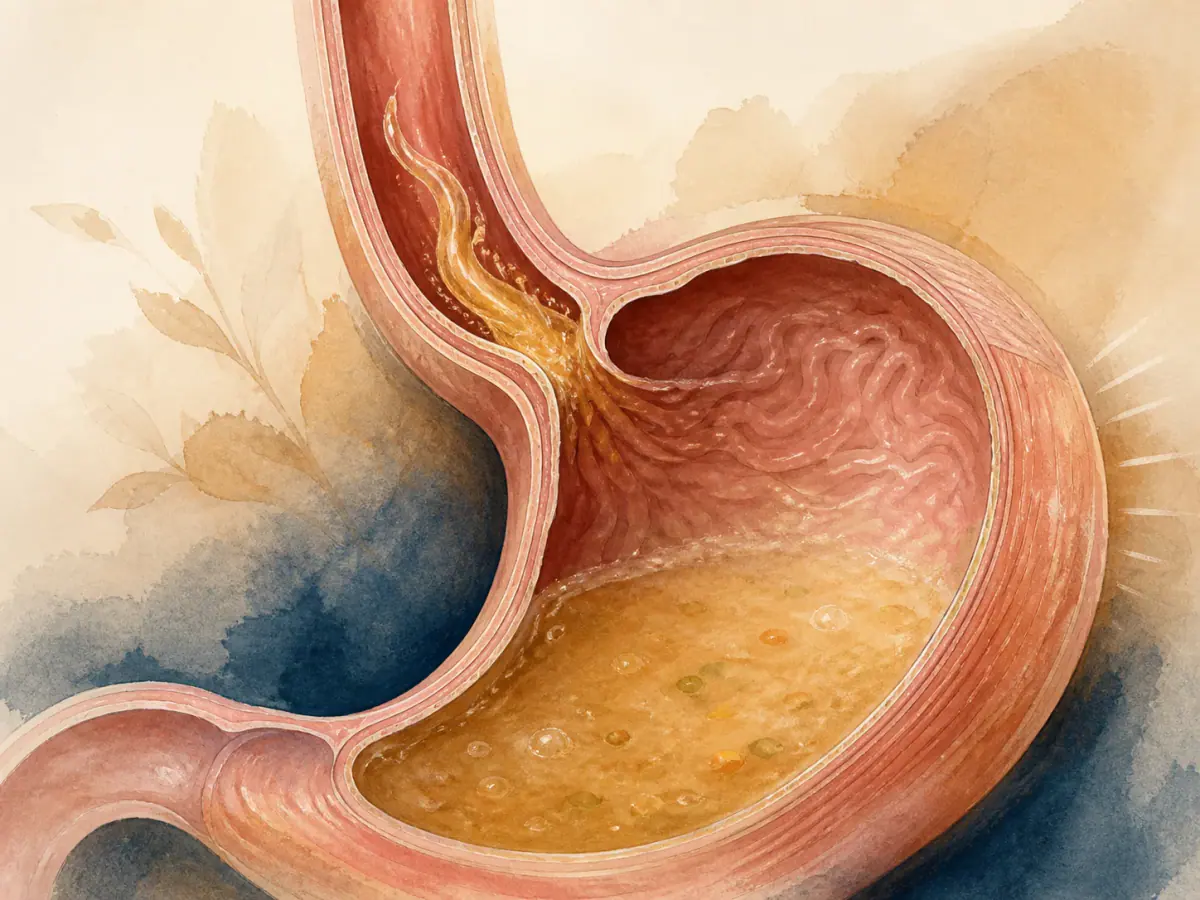
For early satiety and epigastric discomfort, we examine the amount eaten, the start time, and how long it lasted after the meal together.
Conceptual reference · NIDDK: IndigestionHerbal medicine pattern identification for gastritis
Why gastritis prescriptions differ based on cold sensations, stagnation, heat, or tension
We do not prescribe based solely on a diagnosis of gastritis; we examine whether it is a hot burning sensation, a cold and heavy pain, if dryness and nausea persist, or if there is upward reflux when tense.
When there is burning in the solar plexus with significant acid reflux or dry mouth
We check for burning on an empty stomach or at night, and whether acid reflux and nausea are prominent. We ask about thirst, bad breath, heat in the upper body, and worsening after spicy foods or alcohol. The goal is to lower heat and irritation in the stomach and calm the upward-rising energy.
When the abdomen feels cold and feels better when warmed
We check for heavy pain in the solar plexus after eating cold foodsloose stoolsand decreased appetite. We check for cold hands and feet, morning lethargy, and drowsiness after meals. Emphasis is placed on warming the center and strengthening the spleen and stomach to aid digestion and motility.
When burning and dry mouth persist and eating is uncomfortable despite the desire to eat
We check for mild burning, dryness, nausea, and decreased food intake. We ask about dryness in the mouth and throat, a lean physique, nighttime heat sensations, and delayed recovery. We help recover bodily fluids and the mucous membrane without irritating the stomach.
Changes to monitor during treatment
Recovery to observe in the next meal
The goal is to reduce the frequency of solar plexus pain and burning, and to ensure the recovery of food intake, the mucous membrane, and gastrointestinal function.
Endoscopy, H. pylori results, and treatment history
By recording 'Endoscopy, H. pylori results, and treatment history' along with the times before and after meals, we observe whether the amount eaten and the time it takes to feel comfortable actually change.
Pain on an empty stomach or after meals, burning, and cold sensations
By recording 'Pain on an empty stomach or after meals, burning, and cold sensations' along with the times before and after meals, we observe whether the amount eaten and the time it takes to feel comfortable actually change.
Food intake, weight, fatigue, anemia, and medications
By recording 'Food intake, weight, fatigue, anemia, and medications' along with the times before and after meals, we observe whether the amount eaten and the time it takes to feel comfortable actually change.
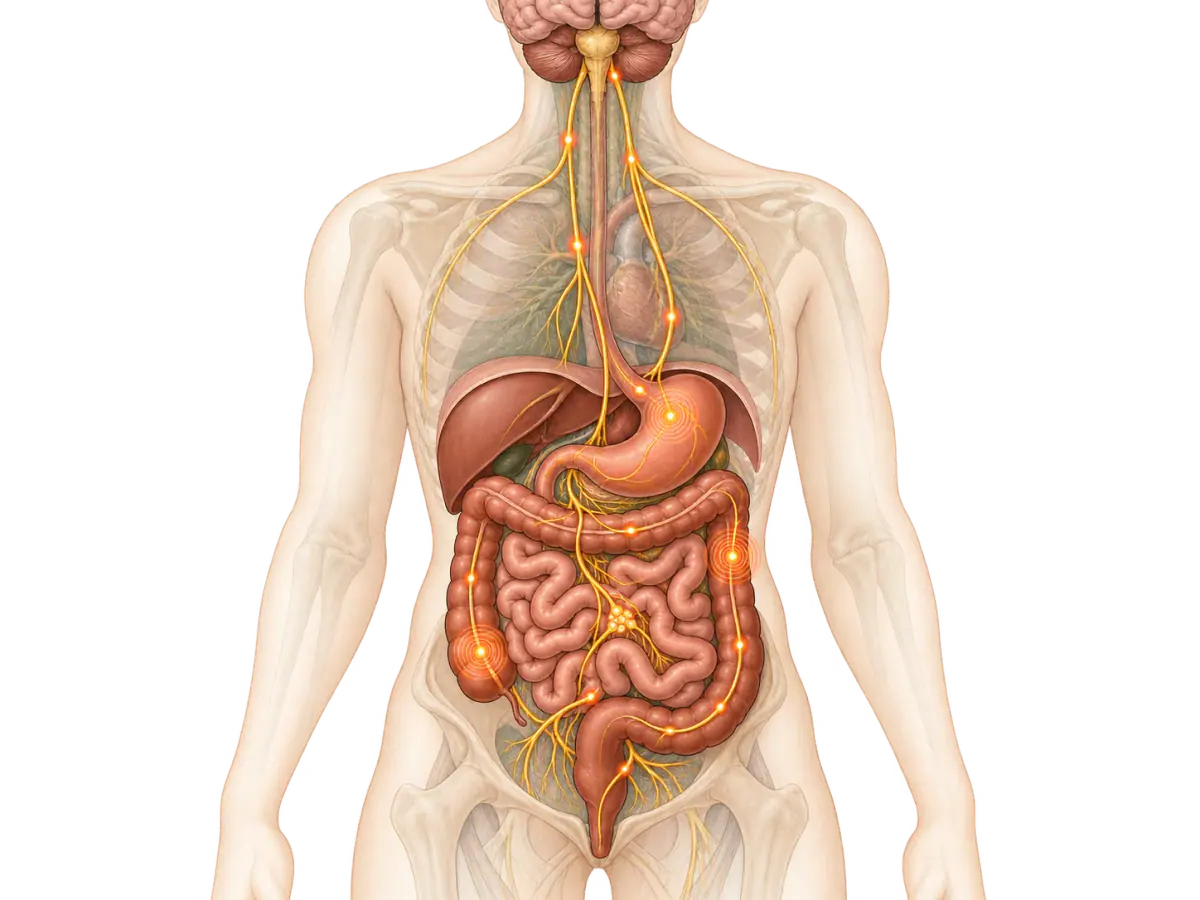
Even if tests show no significant structural abnormalities, the regulation of the autonomic and enteric nervous systems, sensory sensitivity, and motility rhythms can vary depending on meals, sleep, and stress.
Conceptual reference · NIDDK: Disorders of Gut-Brain InteractionAt the crossroads of gastrointestinal motility, sensation, and the gut-brain response
Chronic gastritis discomfort is categorized into stomach heat, spleen-stomach deficiency-cold, stomach yin deficiency, and liver-stomach disharmony
We do not prescribe based solely on a diagnosis of gastritis; we examine whether it is a hot burning sensation, a cold and heavy pain, if dryness and nausea persist, or if there is upward reflux when tense.
Pattern identification is not about arbitrarily adding a disease name to test results. A single person may experience a combination of decreased gastric motility, hypersensitivity, body heat, cold sensations, and tension; if the primary symptoms change based on diet, bowel movements, or sleep, the proportions of the prescription are adjusted accordingly.
When there is a burning sensation in the solar plexus, significant acid reflux, or dry mouth
- Changes to observe in digestive symptoms
- We check for clear symptoms of fasting or nighttime heartburn, acid reflux, and nausea.
- Changes to observe in the rest of the body
- We ask about thirst, bad breath, heat in the upper body, and worsening symptoms after consuming irritating foods or alcohol.
- Prescription priority
- The focus is on reducing stomach heat and irritation and calming the upward-rising energy.
When the abdomen feels cold and feels better when warmed
- Changes to observe in digestive symptoms
- We check for heavy pain in the solar plexus, loose stools, and loss of appetite after consuming cold foods.
- Changes to observe in the rest of the body
- We check for coldness in the hands and feet, morning lethargy, and drowsiness after meals.
- Prescription priority
- The focus is on warming the center and strengthening the spleen to aid digestion and gastrointestinal motility.
When heartburn and dry mouth persist for a long time, and eating is uncomfortable despite the desire to eat
- Changes to observe in digestive symptoms
- We check for mild heartburn, dryness, dry heaving, and a decrease in food intake.
- Changes to observe in the rest of the body
- We ask about dryness in the mouth and throat, a lean physique, nighttime heat sensations, and delayed recovery.
- Prescription priority
- The focus is on helping the recovery of bodily fluids and the mucosa without irritating the stomach.
When pain, belching, and nausea cluster after experiencing stress
- Changes to observe in digestive symptoms
- We check if the solar plexus feels tight and if belching or nausea occurs immediately after emotional changes.
- Changes to observe in the rest of the body
- We check for chest tightness, palpitations, insomnia, and tension in the neck and shoulders.
- Prescription priority
- The focus is on soothing the liver and harmonizing the stomach to regulate both liver tension and stomach reversal.
Order of prescription adjustment
- Separate the identified cause from the remaining symptoms
We first check for risks of infection, medication side effects, or bleeding, then narrow down the recurring daily discomforts.
- Determine the direction among heat, cold, dryness, or tension
We observe whether the gastrointestinal symptoms and systemic clues fluctuate at the same time.
- Adjustments are made based on pain, food intake, and nausea.
We compare discomfort during fasting versus after meals, the amount you can eat, and the recovery time.
Why consider Korean herbal medicine treatment now?
- When epigastric pain, heartburn, or nausea recur even after treating the cause
- When food intake and early satiety do not recover despite taking gastrointestinal medication
- When symptom patterns are distinct depending on fasting, post-meal status, tension, or cold
What is evaluated in herbal medicine treatment for this condition
- Endoscopy and H. pylori results and treatment history
- Fasting and post-meal pain, heartburn, and cold sensations
- Food intake, weight, fatigue, anemia, and current medications
We first check for bleeding and risks related to the heart or severe upper abdominal conditions
Emergency priorities are determined by checking the color of vomit and stool, dizziness, shortness of breath, sudden chest pain, and cold sweats.
We distinguish between mucosal findings and early satiety or eating function
Rather than relying solely on endoscopy results, we simultaneously check the timeline of pain, meal portions, weight, and current medications.
After addressing the cause, we monitor recurring discomfort and recovery
After addressing the identified cause, we track whether epigastric discomfort, food intake, sleep, and work function recover together.
Things to prepare before the consultationPlease prepare your endoscopy results, the onset of symptoms and changes before/after meals, meal portions, weight, the color of vomit and stool, a full list of medications, and whether you experience chest pain or shortness of breath.
If bleeding, anemia, worsening difficulty swallowing, persistent vomiting, unexplained weight loss, or nighttime diarrhea newly occur, they must be re-evaluated even if past tests were normal. After ruling out these cases, we focus on herbal medicine treatment for chronic or recurring functional digestive symptoms.
Consult about gastritis progressGastrointestinal Glossary
Additional information to know regarding gastritis
You can proceed to a detailed explanation after confirming the simple meaning.Frequently Asked Questions
Frequently Asked Questions about Gastritis
Can I have gastritis without any symptoms?
Yes. Many people have no symptoms even if they have gastritis or gastric pathology. The severity of endoscopic findings does not always correlate with the level of discomfort felt.
What do gastritis symptoms look like?
Epigastric pain, burning sensations, nausea, and vomiting, early satiation·Postprandial fullness, loss of appetite, and weight loss may occur.
If I have pain in the epigastric area (pit of the stomach), is it gastritis?
It cannot be confirmed by symptoms alone. Since reflux, ulcers, and issues with the pancreas or bile duct can present similarly, medical evaluation is necessary if symptoms persist.
If I have black stools, is it okay to wait?
Black stools, vomiting blood, or coffee-ground emesis may be symptoms suggesting internal bleeding. If accompanied by dizziness or shortness of breath, seek emergency evaluation immediately.
What is the most common cause of gastritis?
H. pylori Infection is a primary cause, and long-term use of NSAIDs, excessive alcohol consumption, bile reflux, and autoimmune conditions can also be causes.
Will stopping painkillers resolve the cause?
While anti-inflammatory painkillers may be the cause, they are prescribed for specific purposes and carry risks; do not stop them arbitrarily, but consult your prescriber regarding alternatives or protection strategies.
Does stress directly cause gastritis?
Stress-induced mucosal damage in severe conditions such as major trauma, burns, or sepsis must be distinguished from general psychological tension. It is difficult to explain the cause of current gastritis through daily stress alone.
Evidence and Update Information
Dr. Choi Yeon-seung, a Korean medicine doctor, composed this based on the official professional materials and disease-specific clinical data below, and updated the content on 2026-08-26.
- NIDDK: Gastritis and gastropathy symptoms and causesOfficial guidance on the possibility of being asymptomatic, epigastric discomfort, nausea, fullness, and symptoms of gastrointestinal bleeding
- American College of Gastroenterology: DyspepsiaGuidance on the differential diagnosis of early satiety and upper abdominal pain, and symptoms that should not be ignored, such as bleeding, weight loss, and heart-related issues
- AGA: Diagnosis and management of atrophic gastritisH. pylori and autoimmune causes of atrophic gastritis and the basis for evaluating iron and vitamin B12 deficiency
- NIDDK: Diagnosis of Gastritis & GastropathyThe role of medical history, medication, physical examination, blood, stool, urea breath tests, upper endoscopy, and biopsy
- Mayo Clinic: Gastritis diagnosis and treatmentSelection between Helicobacter stool or breath tests and endoscopy or biopsy of suspected areas depending on the situation
- American College of Gastroenterology: H. pyloriHelicobacter breath, stool, and endoscopic biopsy tests, and eradication confirmation tests after treatment
- NIDDK: Treatment of Gastritis & GastropathyBasis for distinguishing between H. pylori combination eradication therapy, autoimmune deficiency supplementation, and endoscopic or surgical treatment for acute erosive bleeding
- NHS: Gastritis Daily CareIndividual adjustment of caffeine, alcohol, and pre-sleep meals, and warnings regarding bleeding and chest pain
- NIDDK: Eating, diet and nutrition for gastritis and gastropathyPrevention of exaggerating food-related causes and safety boundaries for excessive restriction or supplements