The meaning of the term Damjeok
What is Damjeok? It is a cluster of symptoms, not a mass visible on tests
We do not group all digestive symptoms under the single name of Damjeok. After identifying overlapping areas with functional dyspepsia, reflux, and irritable bowel syndrome, we determine which of the following is the primary obstacle to eating: food stagnation, qi stagnation, phlegm-fluid, or weakness of the spleen and stomach.
Damjeok-byeongis not a medical diagnosis referring to solid masses detected by endoscopy or CT scans. Rather, it is a clinical term used in Korean medicine to explain the connection between symptoms, such as post-meal fullness, blockage in the solar plexus, bloating, nausea, and general systemic discomfort, that persist even after medical tests, and to determine the direction of treatment.
| Category | Actual Meaning | Difference in Treatment |
|---|---|---|
| Lesions visible in tests | Problems confirmed by structure, such as ulcers, inflammation, or tumors | Prioritize testing and treatment for the specific cause |
| Functional Dyspepsia | A gut-brain interaction problem characterized by recurring early satiety, postprandial fullness, and epigastric pain | Distinguish between stomach adaptation, motility, and sensation |
| Damjeok-byeong | A clinical expression in Korean medicine where digestive and systemic discomfort are linked in a consistent pattern | Prescriptions are categorized by food stagnation, qi stagnation, phlegm-fluid, spleen-stomach deficiency, or cold-heat patterns |
| Treatment Goal | It is not about removing a physical substance called Damjeok | Restoring the ability to eat comfortably, post-meal recovery, bowel movements, and sleep |
Damjeok is not used to mean residue attached to the stomach wall
When first hearing the term Damjeok, it is easy to perceive it as a disease where waste hardens inside the stomach or as a lump that can be found by pressing the abdomen. However, it is not a standard medical diagnosis of modern medicine, nor is it the name of a solid mass identified via endoscopy or CT scans. Baekrokdam uses this term strictly as a clinical term in Korean medicine to explain digestive function issues that persist even after medical examinations.
Therefore, a diagnosis of Damjeok is not made solely because the abdomen feels hard or there is tenderness. We must comprehensively analyze the amount of food the stomach can accept, the duration of post-meal discomfort, burpingnausea, bowel movements, and how they relate to systemic fatigue to reveal the actual problem to be treated.
First, we distinguish between functional dyspepsia, reflux, and intestinal disorders
If you feel full after eating only a small amount and experience prolonged bloating after meals, Functional Dyspepsiait is close to Postprandial Distress Syndrome (PDS). If epigastric pain and burning are central, it is Epigastric Pain Syndrome (EPS); if acid reflux and heartburn are prominent, it is reflux; and if abdominal pain changes with bowel movements, we separately consider the proportion of Irritable Bowel Syndrome.
It is not necessary to have only one diagnosis. Satiety and reflux can overlap, or the bowels may become urgent after a feeling of blockage in the epigastrium. Rather than covering everything under the broad name of Damjeok, dividing the functions that are currently disrupting your meals allows the sequence of herbal medicine and acupuncture treatments to be much more specific.
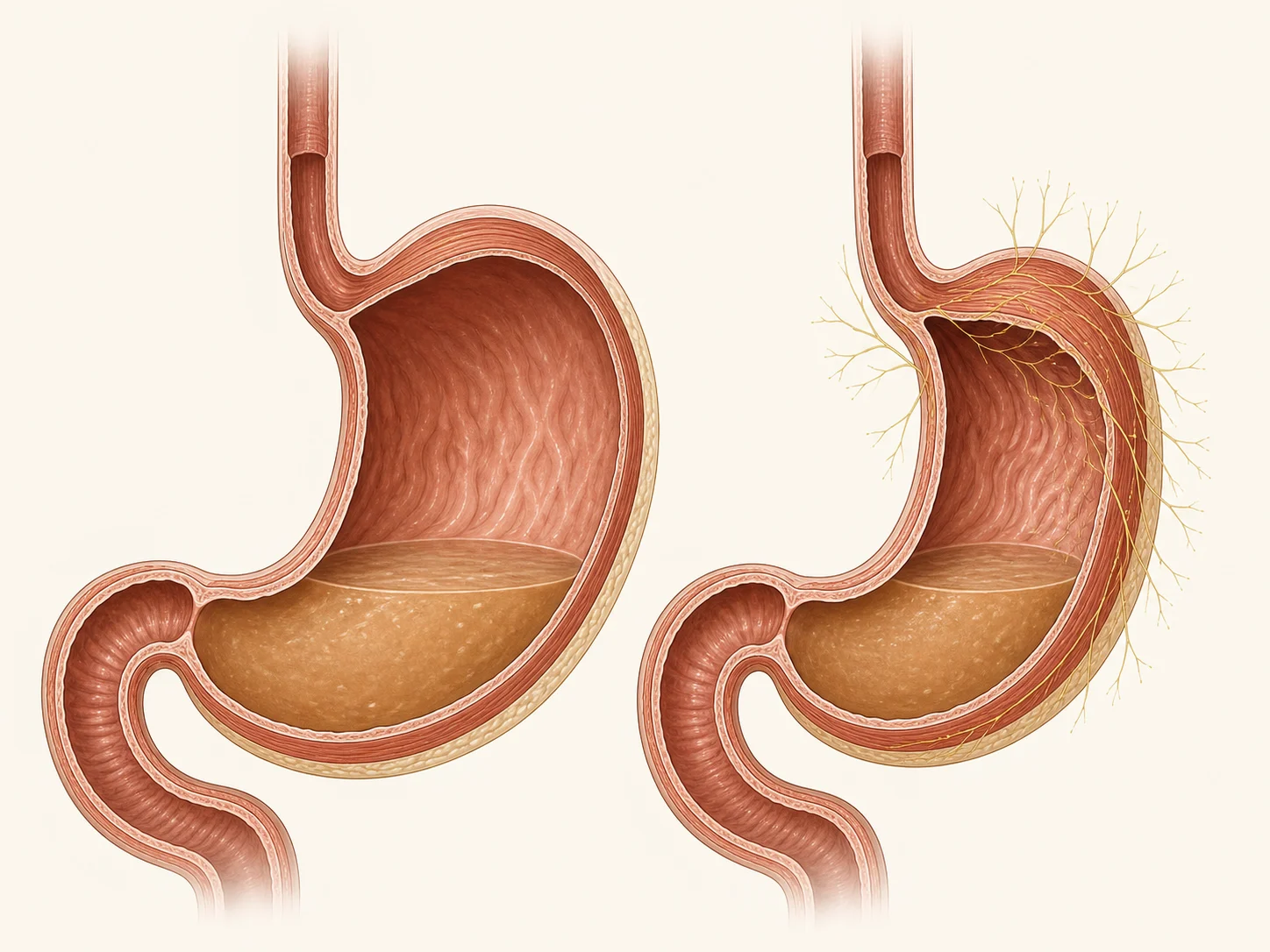
In functional dyspepsia, even without mucosal damage, differences in how the upper stomach adapts to and senses food after a meal can lead to early satiety and epigastric pressure.
Systemic symptoms are linked to digestion when they occur together
On days when digestion is blocked, you may experience a heavy head, dizziness, throbbing in the chest, or even poor sleep. This is because when gut-brain signals and Autonomic nervous system responses are intertwined, gastrointestinal discomfort can lead to fatigue and sleep issues for several hours after a meal.
However, we do not attribute all headaches, tinnitus, or throbbing to Damjeok. Symptoms that occur regardless of digestion or those that have changed in pattern must have their causes verified separately. Only when multiple symptoms actually move in the same pattern is there a reason to address them together within a single prescription.
Herbal medicine treatment distinguishes between 'blockage' and 'deficiency' types
If burping and epigastric pressure are severe after overeating, the focus is on Sik-jeokresolving food stagnation and gas to restore the flow of the stomach. If gas and nausea overlap with a heavy head and dizziness, we address Phlegm-Fluid (Dameum/Damseup); if the epigastrium tightens and acid reflux occurs more when nervous, we look at Liver-Stomach Disharmony and upward counterflow together.
Conversely, if you feel exhausted after eating only a small amount and experience loose stools and loss of appetite, Bi-wi-gi-heo (Spleen and Stomach Qi Deficiency)we treat this as Spleen and Stomach Deficiency-Cold and reinforce the lack of digestive power. This is why the focus of the prescription changes among digestion-promoting, qi-regulating, phlegm-resolving, or spleen-tonifying, even when the term Damjeok is used.
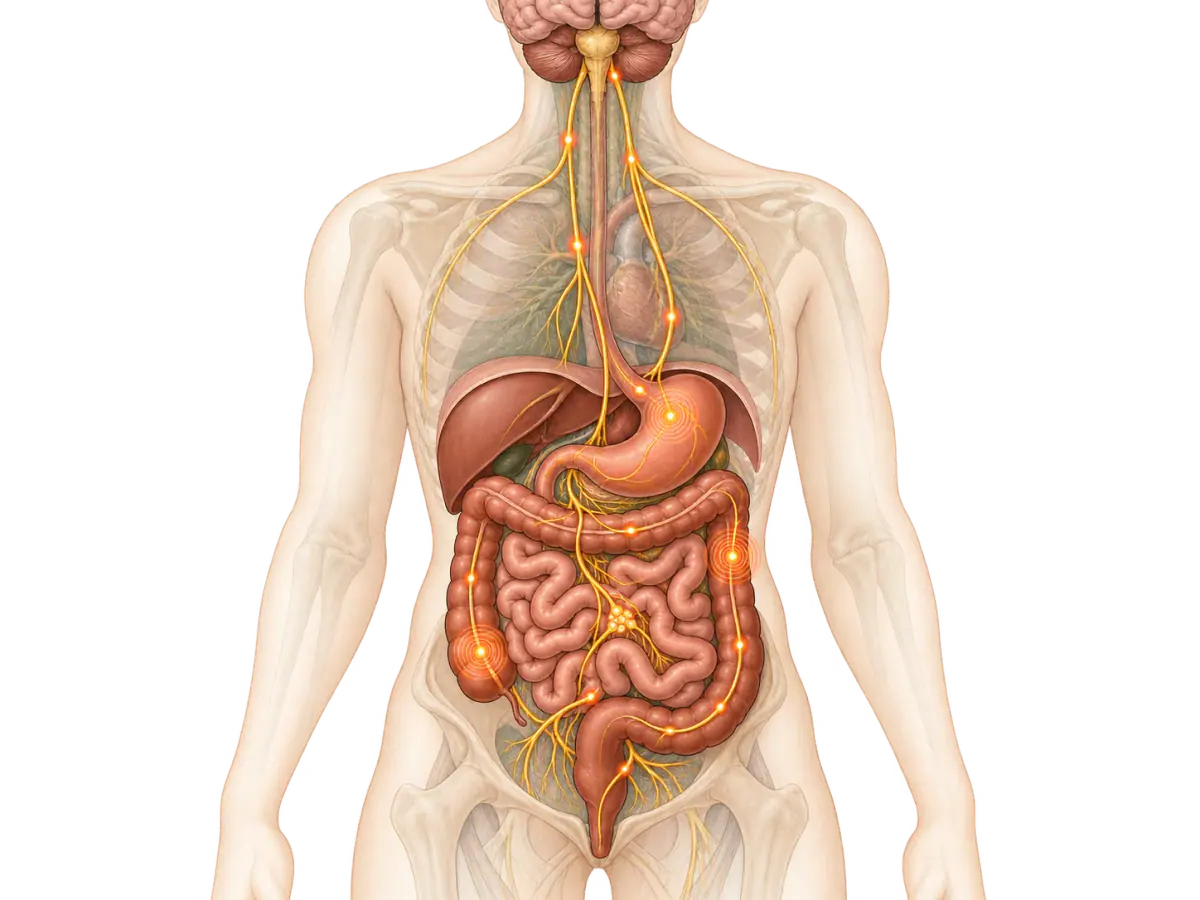
Even if tests show no significant structural abnormalities, the regulation of the autonomic and enteric nervous systems, sensory sensitivity, and motility rhythms can vary depending on meals, sleep, and stress.
Acupuncture treatment releases epigastric tension and restores gastrointestinal rhythm
When the epigastrium and diaphragm are tightly constricted and breathing becomes shallow, the space to accept food feels even more oppressive. Acupuncture is used in parallel to lower tension in the abdomen and chest, ensuring that gastrointestinal movement recovers in the same direction as the herbal medicine treatment.
In clinical studies on functional dyspepsia, acupuncture and herbal medicine prescriptions have been reported to improve overall symptoms and quality of life. At Baekrokdam, we do not apply the prescription from a study to all biliary diseases; instead, we tailor treatment to the most significant functional impairment and Korean medicine pattern among fullness, pain, reflux, and bowel movements.
When the treatment is correct, both your food intake and daily recovery will improve.
The goal of treating Damjeok is not simply to make the abdomen feel softer when pressed. It is to increase the amount of food you can comfortably eat, shorten the time it takes for post-meal pressure to subside, and ensure that your sleep and next-day energy levels are not compromised after dinner.
If difficulty swallowing, repeated vomiting·If new changes occur, such as black stools or unexplained weight loss, we will re-evaluate regardless of past tests. For other recurring discomforts, while respecting the already identified causes, we continue to address the adaptation, movement, and sensation of the stomach and the recovery power of the spleen and stomach through Korean herbal medicine and acupuncture.
Damjeok is not a physical lump visible on a test, but a clinical expression in Korean medicine that connects post-meal fullness, blockage in the solar plexus, bloating, and systemic discomfort. Baekrokdam categorizes these into food stagnation, qi stagnation, phlegm-fluid, and spleen-stomach deficiency to restore the power to eat comfortably and recover through Korean herbal medicine and acupuncture.
Evidence and Update Information
This content was compiled by Korean medicine doctor Choi Yeon-seung and updated on 2026-08-31 based on the following materials.
- NIDDK: IndigestionDefinition of indigestion and diagnostic flow of functional dyspepsia
- NIDDK: Symptoms & Causes of IndigestionEarly satiety, postprandial fullness, epigastric pain, and gastric accommodation and gut-brain interaction
- Rome Foundation: Rome IV CriteriaPDS and EPS diagnostic criteria for functional dyspepsia
- PubMed: Acupuncture for functional dyspepsia, updated meta-analysisComprehensive clinical trials of acupuncture for functional dyspepsia
- PubMed: Herbal medicine for functional dyspepsiaSymptom improvement results and research limitations of Korean herbal medicine clinical trials for functional dyspepsia