
Digestive symptoms associated with the gut-brain and autonomic nervous system: Read in order of interest
Before using the term 'functional' lightly
There is a bodily connection when gastrointestinal health, sleep, and throbbing change together
Functional dyspepsia and irritable bowel syndrome are gut-brain interaction disorders involving the regulation of signals between the gut and the brain. While tension, insomnia, and anxiety can alter symptoms, this does not mean they are caused by 'being mentally weak.' Gastrointestinal motility and sensation, Autonomic nervous system reactions, and the bidirectional relationship between sleep and diet are examined, while symptoms requiring evaluation for other causes, such as throbbing, fainting, or chest pain, are screened out first.
Next steps by symptom
Before attributing it to stress, we examine the combination of symptoms and issues that need to be checked first
Even for the same epigastric discomfort, the timing of tests varies depending on the relationship to meals, bleeding, and systemic changes.
| Symptom Combination | Possible Interpretation | Next action |
|---|---|---|
| Recurring pain or burning sensation in the epigastric area (pit of the stomach) when nervous | Upper abdominal symptoms, including functional dyspepsia | Consult a doctor with records of duration, relationship to meals, and medications taken |
| Feeling full after eating very little and post-meal bloating | Early satiety and postprandial fullness symptoms | Evaluate the cause after checking intake amount, weight, and vomiting |
| Heartburn and acid reflux as primary symptoms | Gastroesophageal reflux may be more prominent | Inform the doctor about symptoms when lying down or at night for differential diagnosis |
| Hematemesis (vomiting blood), melena (black stools), or repeated vomiting | Possibility of structural issues such as bleeding or obstruction | Same-day emergency or gastroenterological evaluation |
| Chest pressure, cold sweats, and shortness of breath | Possible cardiac ischemia | Call 119 or go to the emergency room immediately |
When to seek medical attention first
Symptoms that should not be ignored when suspected of nervous gastritis
These are symptoms where serious causes, such as bleeding, obstruction, or heart, liver, gallbladder, and pancreatic diseases, must be identified first.
- Vomiting blood, coffee-colored vomit, or passing black, sticky stools
- Difficulty swallowing food or water, or pain when swallowing
- Repeated vomiting, severe abdominal pain, abdominal bloating, or dehydration
- Persistent unintentional weight loss or loss of appetite
- Chest pressure, shortness of breath, cold sweats, or pain radiating to the jaw or arms
- Yellowing of the skin or eyes, or severe pain in the upper right abdomen
The body's remaining reactions after being told it is 'nervous' or 'stress-related'
When it is difficult to treat gastrointestinal issues, sleep, and throbbing separately
Gut-brain interactionRather than attributing these to the mind, we prioritize herbal medicine treatment by categorizing gastrointestinal motility and sensation, tension, phlegm-fluid (Dameum), energy levels, and cold-heat balance.
We examine the order in which symptoms began
We look at whether tension came first or gastrointestinal discomfort came first, and at what point throbbing or dizziness overlapped.
We distinguish between Liver-Stomach Disharmony (Gan-wi-bul-hwa) and Upward Flow of Phlegm-Fluid (Dameum-sang-yo)
The treatment approach differs for those experiencing a tight feeling in the solar plexus and blocked burping, compared to those experiencing a combination of nausea, dizziness, and pulsating sensations.
Why we monitor the recovery of sleep, diet, and bowel movements together
We check not only the discomfort score but also whether there are changes in sleep duration, food intake, and the ability to go outside.
Treatment GoalsWe aim to reduce the days when gastrointestinal and autonomic nervous system symptoms spike together and restore a stable rhythm of eating, sleeping, and going out.
Consult regarding digestive symptoms accompanied by gut-brain and autonomic nervous system issues using diet and bowel movement records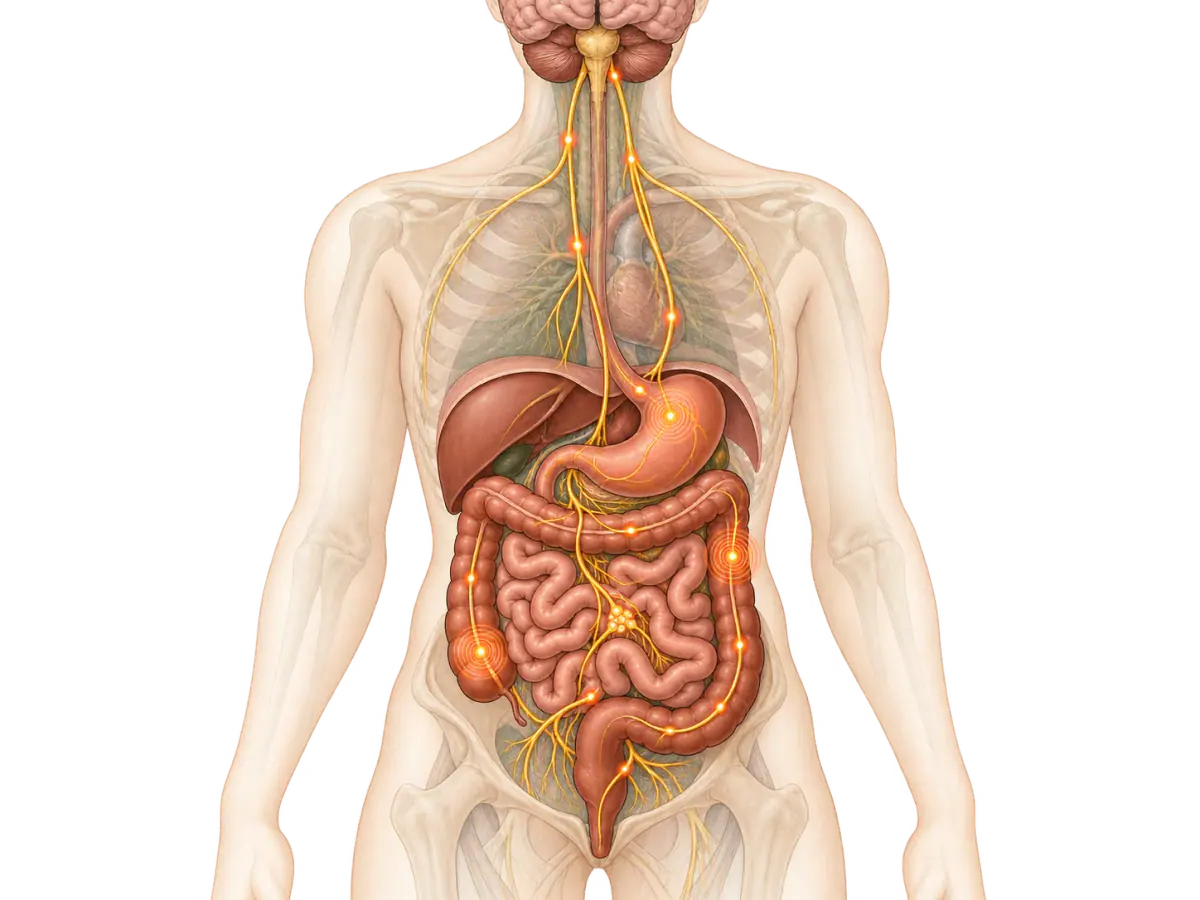
Even if tests show no significant structural abnormalities, the regulation of the autonomic and enteric nervous systems, sensory sensitivity, and motility rhythms can vary depending on meals, sleep, and stress.
The illustrations showing the processes occurring in the body are simplified explanations to help understand the location and changes of symptoms; they do not represent an individual's test results or treatment outcomes.If you have had these experiences
For those whose gastrointestinal health, mental well-being, and sleep all collapse on the same day
Rather than attributing gut-brain interactions to a psychological issue, we analyze gastrointestinal motility, sensation, tension, Dameum (phlegm-fluid)energy levels, and heat/cold balance to determine the priority of Korean herbal medicine treatment.
For those who experience a blocked feeling in the solar plexus, pulsating sensations, and shortness of breath when tense
When gastrointestinal symptoms, pulsating sensations, and insomnia recur repeatedly even after medical tests
For those who experience poor sleep, dizziness, or cold sweats on days when digestive discomfort is severe
When the solar plexus, bowel movements, and breathing are all disrupted as tension increases
For those who were told their condition is 'neurogenic' without sufficient explanation, despite no major abnormalities in tests
When you wish to manage digestive and autonomic nervous system discomfort as a single integrated flow
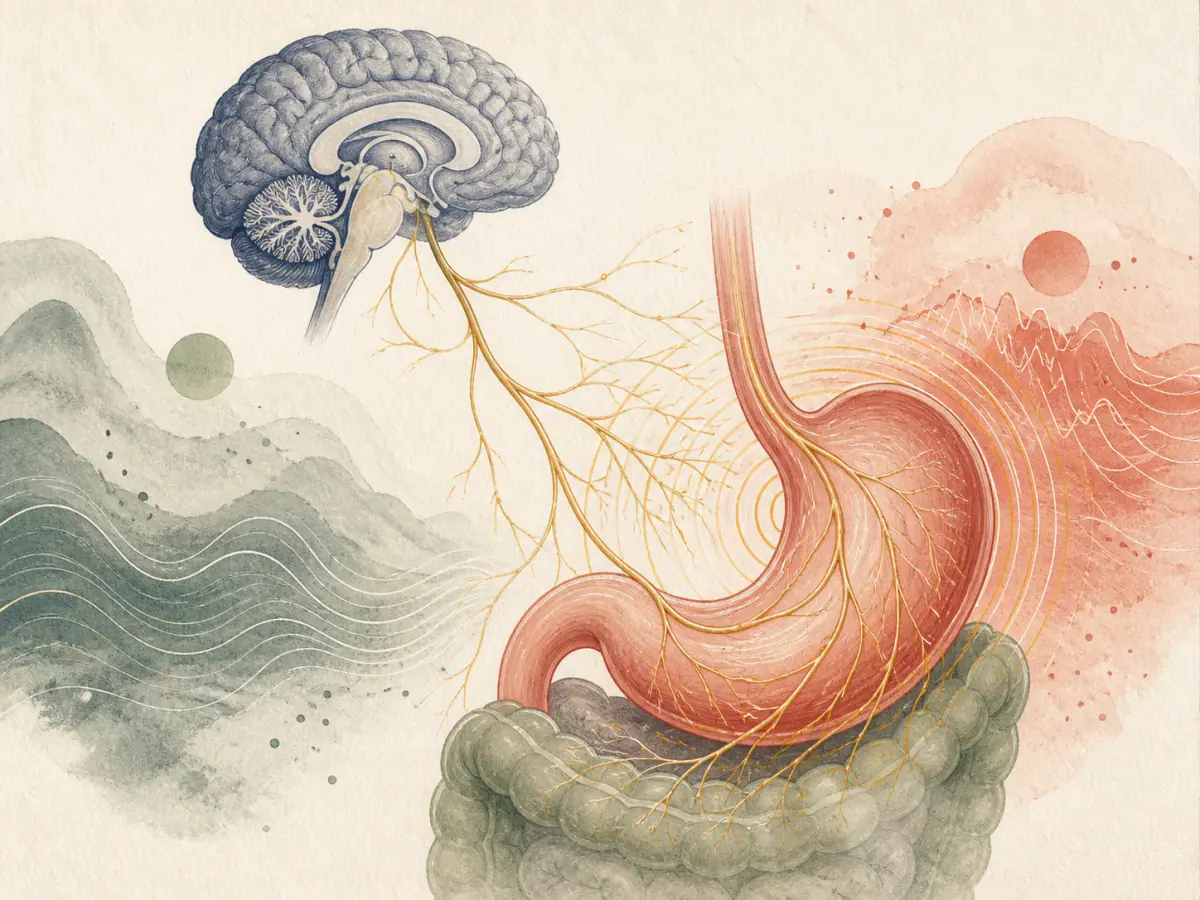
While stress can change symptoms, we do not attribute them solely to the mind; instead, we evaluate them alongside diet, sleep, and test results.
Conceptual reference · NIDDK: IndigestionThis is how we approach the medical evaluation
Why we examine test results and dietary discomfort together for digestive symptoms accompanied by gut-brain and autonomic nervous system issues
Functional DyspepsiaIrritable bowel syndrome is a gut-brain interaction disorder involving the regulation of signals between the gut and the brain. While tension, insomnia, and anxiety can alter symptoms, this does not mean it is caused by 'being mentally weak.' We examine the bidirectional relationship between gastrointestinal motility and sensation, autonomic nervous system responses, sleep, and diet, while first ruling out symptoms that require evaluation for other causes, such as pulsating sensations, fainting, or chest pain.
Screening for bleeding, obstruction, and cardiac symptoms first
Vomiting blood, black stools, difficulty swallowing, persistent vomitingsymptoms, chest pressure, or difficulty breathing prioritize emergency or gastroenterological care over herbal medicine treatment.
Reviewing current medications along with H. pylori and endoscopy results
We check for other causes by reviewing current medications and previous test or treatment results to evaluate structural causes before labeling the condition as nervous-related.
Comparing food intake amount with days of stress-related symptoms
We determine changes in recurring symptoms by recording days of epigastric pain per week, the extent to which meals were finished, weight, sleep, and stressful events.
Reasons why it may not heal well
Why eating does not become comfortable even after tests for digestive symptoms accompanied by gut-brain and autonomic nervous system issues
Rather than attributing gut-brain interactions to a psychological issue, gastrointestinal motilitywe analyze sensation, tension, phlegm-fluid (dam-eum), energy levels, and heat/cold balance to determine the priority of Korean herbal medicine treatment.
We examine the order in which symptoms began
We look at whether tension came first or gastrointestinal discomfort came first, and at what point pulsating sensations or dizziness overlapped.
Distinguishing between Liver-Spleen Disharmony (Gan-wi-bul-hwa) and Phlegm-Fluid Accumulation (Dam-eum-sang-yo)
Tightness in the solar plexus burpingThe prescription approach differs depending on whether the symptoms manifest as a feeling of blockage, or as a combination of nausea, dizziness, and pulsating sensations.
Why we monitor the recovery of sleep, diet, and bowel movements together
We check not only the discomfort score but also whether there are changes in sleep duration, food intake, and the ability to go outside.
How to keep a symptom timetable
Digestive symptoms accompanying gut-brain and autonomic nerve issues: Meal schedules are more important than the names of foods
The relationship between the start of solar plexus discomfort and meals, actual food intake, weight, medications, Helicobacter pylori, andgastroscopy results, and whether specific symptoms that need to be checked first are present; preparing these will allow us to accurately define the scope of the consultation.
Solar plexus, breathing, and pulsating sensations
Note which symptom started first after meals, meetings, or conflicts.
Bowel movements, anxiety, and urgency
Abdominal paindiarrheaWe observe scenarios where these symptoms and the avoidance of going outside amplify each other.
Sleep and the next day's digestion
We check if fullness, pain, or bowel movements actually change the day after a poor night's sleep.
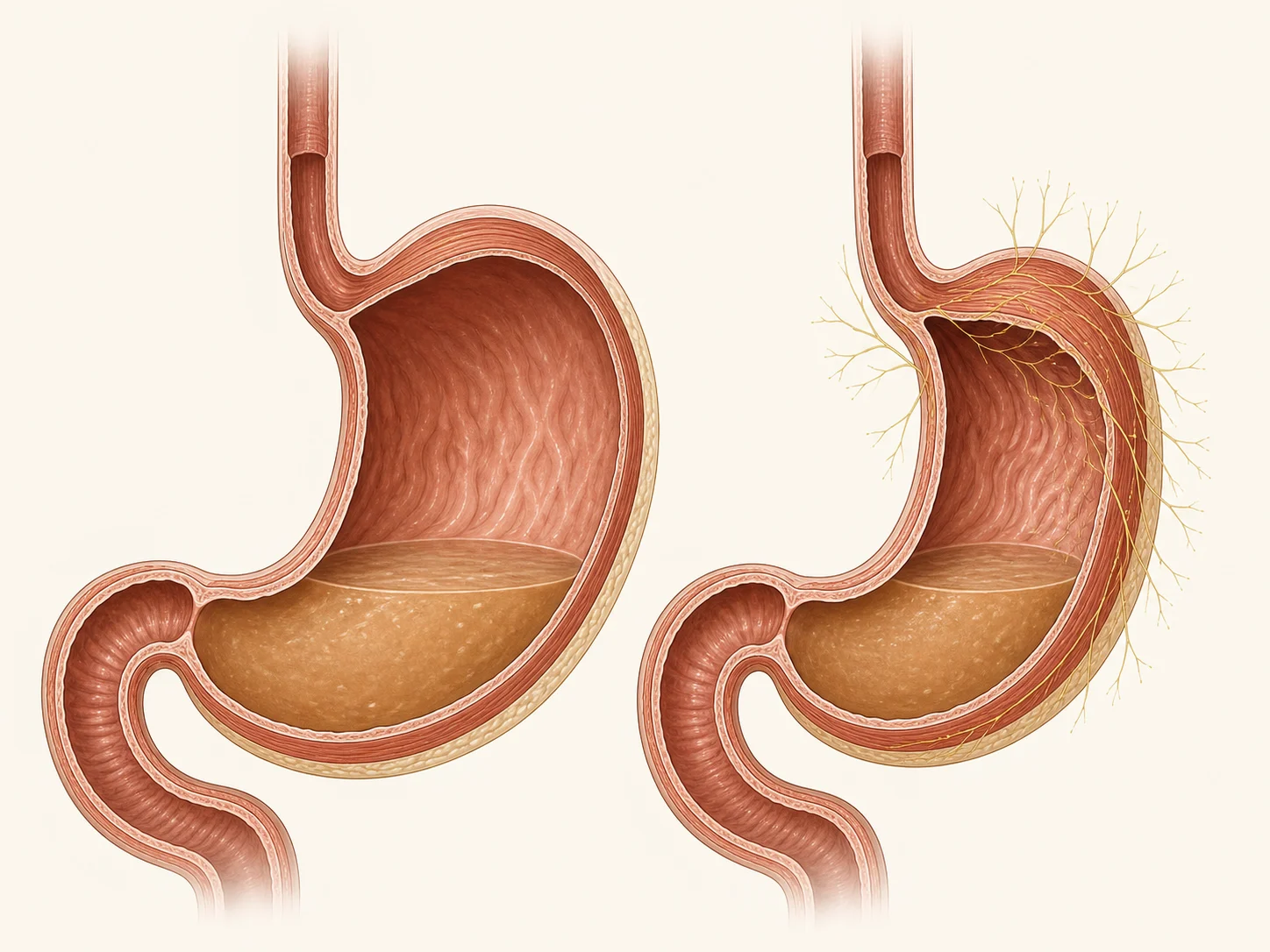
In functional dyspepsia, even without mucosal damage, differences in how the upper stomach adapts to and senses food after a meal can lead to early satiety and epigastric pressure.
Conceptual reference · NIDDK: IndigestionHerbal medicine pattern identification for digestive symptoms accompanying gut-brain and autonomic nerve issues
Why prescriptions for gut-brain and autonomic nerve digestive symptoms differ based on coldness, stagnation, heat, or tension
We determine whether tension-induced tightness, dizziness and nausea, or fatigue and poor recovery are driving the gastrointestinal symptoms.
When tension causes solar plexus tightness and blocked burping
We observe if fullness, pain, or reflux increase immediately after meetings or conflicts. We check if sighing, insomnia, and pulsating sensations occur at the same time. The focus is on soothing the liver and harmonizing the stomach to relieve tension and support gastric motility.
When nausea overlaps with dizziness and pulsating sensations
We check for nausea, a sloshing feeling in the solar plexus, or a sensation of fluid accumulation. We ask about the relationship between dizziness, cold sweats, pulsating sensations, and changes in posture. The focus is on resolving stagnant phlegm-fluid and stabilizing signals from the stomach and upper body.
When you feel exhausted after eating and recovery is slow
We check for prolonged early satiety, post-meal fatigue, and loose stools. We verify if there is a lack of energy, a feeling of coldness, or a lack of refreshment even after sleep. The focus is on strengthening the spleen and supplementing Qi to support both digestion and systemic recovery.
Changes to monitor during treatment
Recovery to observe in the next meal
We aim to reduce the days when gastrointestinal and autonomic nerve symptoms spike together and restore a stable rhythm of eating, sleeping, and going outside.
The sequence of symptom onset and duration
Record the 'order in which symptoms started and their duration' along with the time before and after meals to see if the amount eaten and the time it takes to feel comfortable actually differ.
Relationship with meals, meetings, sleep, and menstruation
Record the 'relationship with meals, meetings, sleep, and menstruation' along with the time before and after meals to see if the amount eaten and the time it takes to feel comfortable actually differ.
Medications, caffeine, and changes in pulsating sensations or bowel movements
Record 'medications, caffeine, and changes in pulsating sensations or bowel movements' along with the time before and after meals to see if the amount eaten and the time it takes to feel comfortable actually differ.
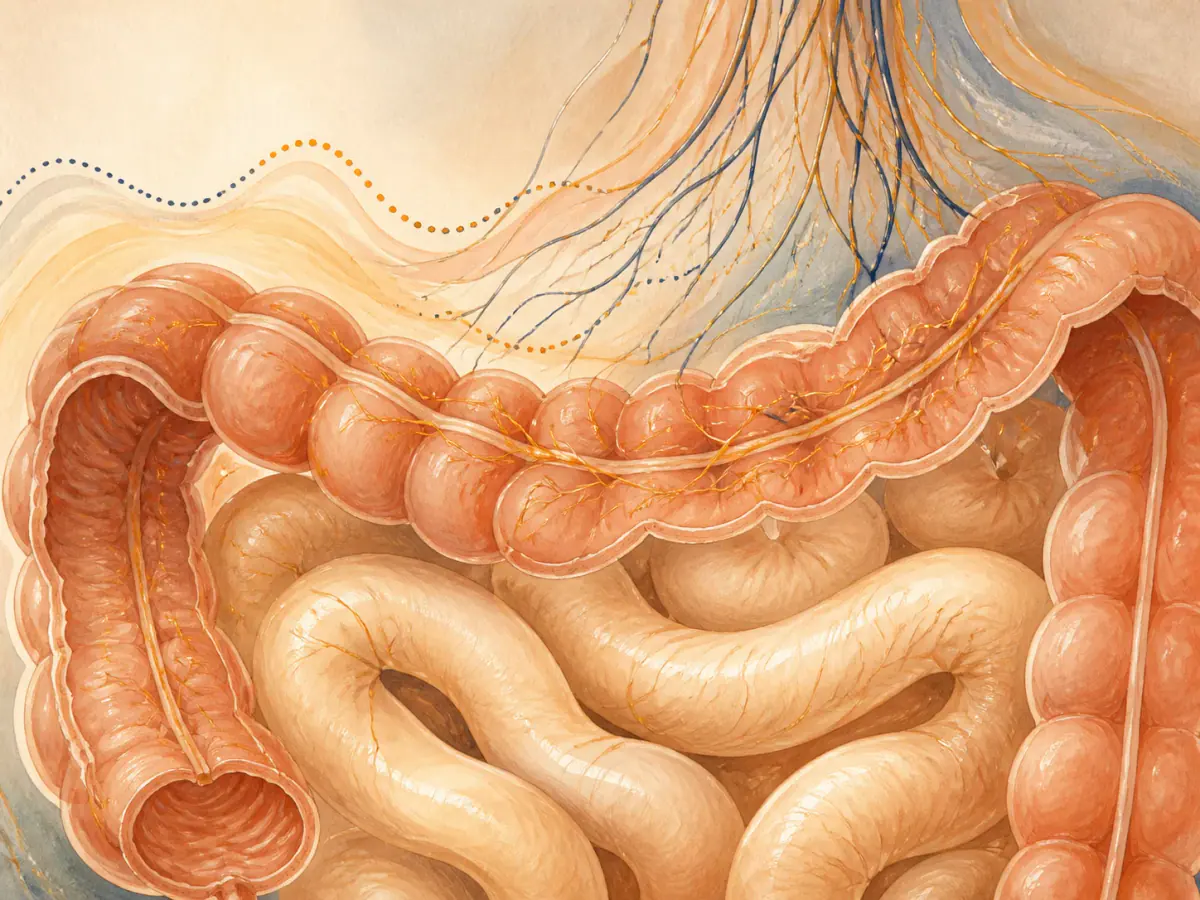
Even without structural damage, if the interaction between intestinal motility and sensation changes, abdominal pain, diarrhea, and constipation may recur.
Conceptual reference · NIDDK: Irritable Bowel SyndromeAt the crossroads of gastrointestinal motility, sensation, and the gut-brain response
Gut-brain accompanying symptoms are divided into Gan-wi-bul-hwa, Dam-eum-sang-yo, and Bi-wi-gi-heo
We examine which of the following leads the gastrointestinal symptoms: tension-related tightness, dizziness and nausea, or fatigue and poor recovery.
Pattern identification is not about arbitrarily adding a disease name to test results. A single person may experience a combination of decreased gastric motility, hypersensitivity, body heat, cold sensations, and tension; if the primary symptoms change based on diet, bowel movements, or sleep, the proportions of the prescription are adjusted accordingly.
When the solar plexus feels tight and burping is blocked during tension
- Changes to observe in digestive symptoms
- We check if fullness, pain, or reflux increases immediately after meetings or conflicts.
- Changes to observe in the rest of the body
- We check if sighing, insomnia, and pulsating sensations occur at the same time.
- Prescription priority
- Treatment is focused on So-gan and Hwa-wi to relieve tension and support gastric motility.
When nausea overlaps with dizziness and pulsating sensations
- Changes to observe in digestive symptoms
- We check for feelings of nausea, a sloshing sensation in the solar plexus, or a feeling of fluid accumulation.
- Changes to observe in the rest of the body
- We ask about the relationship between dizziness, cold sweats, pulsating sensations in the chest, and changes in posture.
- Prescription priority
- Treatment is focused on Hwa-dam and Gang-yeok to reduce stagnant Dam-eum and stabilize signals from the gastrointestinal tract and upper body.
When feeling exhausted after eating and recovery is slow
- Changes to observe in digestive symptoms
- We check if early satiety, post-meal fatigue, and loose stools persist for a long time.
- Changes to observe in the rest of the body
- We check for decreased energy, cold sensations, and a lack of refreshment even after sleep.
- Prescription priority
- Treatment is focused on Geon-bi and Ik-gi to reinforce both digestion and systemic recovery.
When you feel exhausted even after eating a small amount and recovery is slow until the next meal
- Changes to observe in digestive symptoms
- For gastrointestinal symptoms accompanying gut-brain or autonomic nerve issues, we examine not only the intensity but also the amount that can be eaten and the post-meal recovery time.
- Changes to observe in the rest of the body
- We check if post-meal drowsiness, loss of energy, loose stools, and coldness in the hands and feet occur on the same day.
- Prescription priority
- We increase the proportion of treatment to strengthen the spleen and stomach's ability to receive and transport nutrients.
Order of prescription adjustment
- Record the order in which symptoms started
We examine which occurred first among gastrointestinal symptoms, pulsating sensations, and insomnia.
- Distinguish between symptoms that must be checked first and the influence of medications
We do not use the term 'autonomic nervous system' to mask other potential causes.
- Adjustments are made by observing the recovery of eating, sleeping, and going outdoors.
We also monitor whether daily functions are stabilizing.
Why consider Korean herbal medicine treatment now?
- When gastrointestinal symptoms recur alongside pulsating sensations and insomnia, even after tests
- When the solar plexus area, bowel movements, and breathing are all disrupted as tension increases
- When you wish to manage digestion and autonomic nervous system discomfort as a single integrated flow
What is evaluated in herbal medicine treatment for this condition
- The order in which symptoms began and their duration
- The relationship with meals, meetings, sleep, and menstruation
- Changes in bowel movements and pulsating sensations in relation to medications and caffeine
Screening for bleeding, obstruction, and cardiac symptoms first
If you experience vomiting blood, black stools, difficulty swallowing, persistent vomiting, chest pressure, or shortness of breath, prioritize emergency or gastroenterology care over herbal medicine treatment.
Reviewing current medications along with H. pylori and endoscopy results
We check for other causes by reviewing current medications and previous test or treatment results to evaluate structural causes before labeling the condition as nervous-related.
Comparing food intake amount with days of stress-related symptoms
We determine changes in recurring symptoms by recording days of epigastric pain per week, the extent to which meals were finished, weight, sleep, and stressful events.
Things to prepare before the consultationIf you prepare information regarding the onset of epigastric discomfort and its relationship to meals, actual food intake and weight, current medications, H. pylori and gastroscopy results, and whether you have any of the symptoms that must be checked first, we can accurately determine the scope of the consultation.
If bleeding, anemia, worsening difficulty swallowing, persistent vomiting, unexplained weight loss, or nighttime diarrhea newly occur, they must be re-evaluated even if past tests were normal. After ruling out these cases, we focus on herbal medicine treatment for chronic or recurring functional digestive symptoms.
Consult regarding the progress of gastrointestinal symptoms accompanied by gut-brain and autonomic nervous system issuesGastrointestinal Glossary
Additional information to note regarding gastrointestinal symptoms accompanied by gut-brain and autonomic nervous system issues
You can proceed to a detailed explanation after confirming the simple meaning.Frequently Asked Questions
Frequently asked questions about gastrointestinal symptoms accompanied by gut-brain and autonomic nervous system issues
Does nervous gastritis mean there is inflammation in the stomach?
That is not necessarily the case. It is a commonly used expression and often refers to gut-brain interaction disorders such as functional dyspepsia. The actual gastritis status is confirmed through necessary tests.
What are the representative symptoms of stress-induced epigastric pain?
Representative symptoms include epigastric pain, burning sensations, early satiety, and post-meal fullness, which may overlap with bloating, nausea, and burping. Please record the location and its relationship to meals.
When should I get a gastroscopy?
It varies depending on the individual's age, risk factors, and response to treatment. Bleeding,dysphagiaweight loss, or persistent vomiting are symptoms that should not be ignored; if these occur, medical staff will move up the schedule for tests.
Can I treat the symptoms with herbal medicine first?
We first distinguish between symptoms that require immediate medical evaluation and causes to be verified, such as H. pylori or ulcers. For functional symptoms that persist thereafter, the direction of gastric motility, sensation, and the autonomic nervous system Byeonjeung (pattern identification)to set the goals for Korean herbal medicine treatment.
Is nervous gastritis actual inflammation?
That is not necessarily the case. It is not a standard diagnostic name and often refers to functional dyspepsia. Actual gastritis is distinguished through necessary tests.
Is stress the only cause?
No. Gastric adaptation, sensation, gut-brain signaling, diet, sleep, and emotions can be complexly involved, and no single cause is known.
Which medications can be related to indigestion?
Various medications, such as anti-inflammatory painkillers and iron supplements, may be related. Please provide the full list and the start date of your medications, and do not discontinue them arbitrarily.
Evidence and Update Information
Dr. Choi Yeon-seung, a Korean medicine doctor, composed this based on the official professional materials and disease-specific clinical data below, and updated the content on 2026-08-26.
- National Institute of Diabetes and Digestive and Kidney Diseases (NIDDK): Symptoms & Causes of IndigestionUpper abdominal symptoms of functional dyspepsia, gut-brain interaction, and red-flag symptoms that require immediate medical evaluation
- National Institute of Diabetes and Digestive and Kidney Diseases (NIDDK): IndigestionDefinition and symptoms of indigestion, and the cause evaluation flow including medical history, physical examination, H. pylori testing, and endoscopy
- NIDDK: Gastritis and Gastropathy DefinitionDistinguishing actual gastritis, gastropathy, and stress-induced gastritis of severe diseases from daily tension-related discomfort
- BSG: Functional Dyspepsia GuidelineThe process in which gut-brain interaction and various causes such as gastric adaptation, sensation, diet, and emotion act together, and the principle of non-determination
- NIDDK: Diagnosis of IndigestionInterview flow for symptoms, medications, and red-flag symptoms, and the flow for H. pylori, selective endoscopy, and biopsy
- ACG/CAG: Management of DyspepsiaSelection of H. pylori and endoscopy based on risk, classification of functional dyspepsia, and limitations of routine motility tests
- NIDDK: Treatment of IndigestionAcid suppressants, gastrointestinal motility agents, anti-nausea and neuromodulatory drugs by cause of functional dyspepsia, and mental health approaches
- NHS: IndigestionManagement of diet, alcohol, smoking, and medications, and medical evaluation criteria for persistent symptoms and red-flag symptoms
- UCLH: Dietary Management of Functional DyspepsiaRegular meals, individual tolerance, flexible texture adjustment, and recovery of the scope of eating, working, and dining out