
Chronic diarrhea: Read in order of your curiosity
Before using the term 'functional' lightly
For long-term diarrhea, you must observe the frequency along with the start time and nighttime symptoms
loose stoolsIf this continues for more than 4 weeks or fluctuates between improving and worsening, it is time to identify the cause rather than simply reducing frequency with antidiarrheals. Organizing the start date, whether you wake up at night, food and medications taken, weight changes, and stool shape helps determine whether to first check for food intolerance, medication, infection, inflammatory diseases, or functional diarrhea.
Workflow to check before your appointment
Points to check for chronic diarrhea by situation
| Situation | First step | Next step |
|---|---|---|
| Loose stools recurring for 4 weeks or more | Records of start date, stool shape, medication, and meals | Medical evaluation to determine the cause |
| Nighttime diarrhea combined with weight loss | Check nutrition, inflammation, and absorption status | Prioritize gastrointestinal evaluation |
| Started after new medication or supplements | Consult with the prescriber without stopping medication arbitrarily | Adjustment of the causative medication |
| Daily discomfort remains even after tests | Reorganize meal, sleep, and bowel movement rhythms | Consultation on herbal medicine treatment goals |
When to seek medical attention first
Symptoms of chronic diarrhea requiring prompt medical evaluation
If the following changes occur, prioritize related medical care or emergency evaluation over waiting for a Korean herbal medicine consultation or a scheduled outpatient visit.
- Black or red bloody stools, pus, and severe abdominal pain
- Inability to drink water, decreased urination, feeling of fainting, or changes in consciousness
- High fever, chills with persistent vomiting, or a rigid abdomen
- Rapid weight loss, anemia, nocturnal diarrhea, or immunocompromised state
When morning and post-meal diarrhea recur even after using antidiarrheals or probiotics
Treatment that goes beyond just stopping loose stools to regulate absorption, body temperature, tension, and intestinal hypersensitivity
After first ruling out infection, inflammation, medication, and intolerance, if diarrhea persists, Korean herbal medicine is prescribed based on the absorption capacity of the spleen and stomach, coldness in the lower abdomen, tension-induced bowel movements, damp-heat, and food reactions.
Distinguishing between morning, post-meal, and nocturnal diarrhea
The approach differs depending on whether the urgency occurs upon waking, immediately after eating, or wakes you from sleep.
Identifying abdominal pain and lethargy masked by antidiarrheals
We check if abdominal pain, a feeling of incomplete evacuation, or fatigue remains even if the frequency of bowel movements has decreased.
Aiming for recovery that allows you to eat and remain active
We evaluate not only the frequency of bowel movements but also weight, diet, outings, and overall energy levels.
Treatment GoalsWe aim to reduce post-meal and morning urgency and loose stools, restoring predictability to your meals, outings, and sleep.
Consult using chronic diarrhea diet and bowel movement records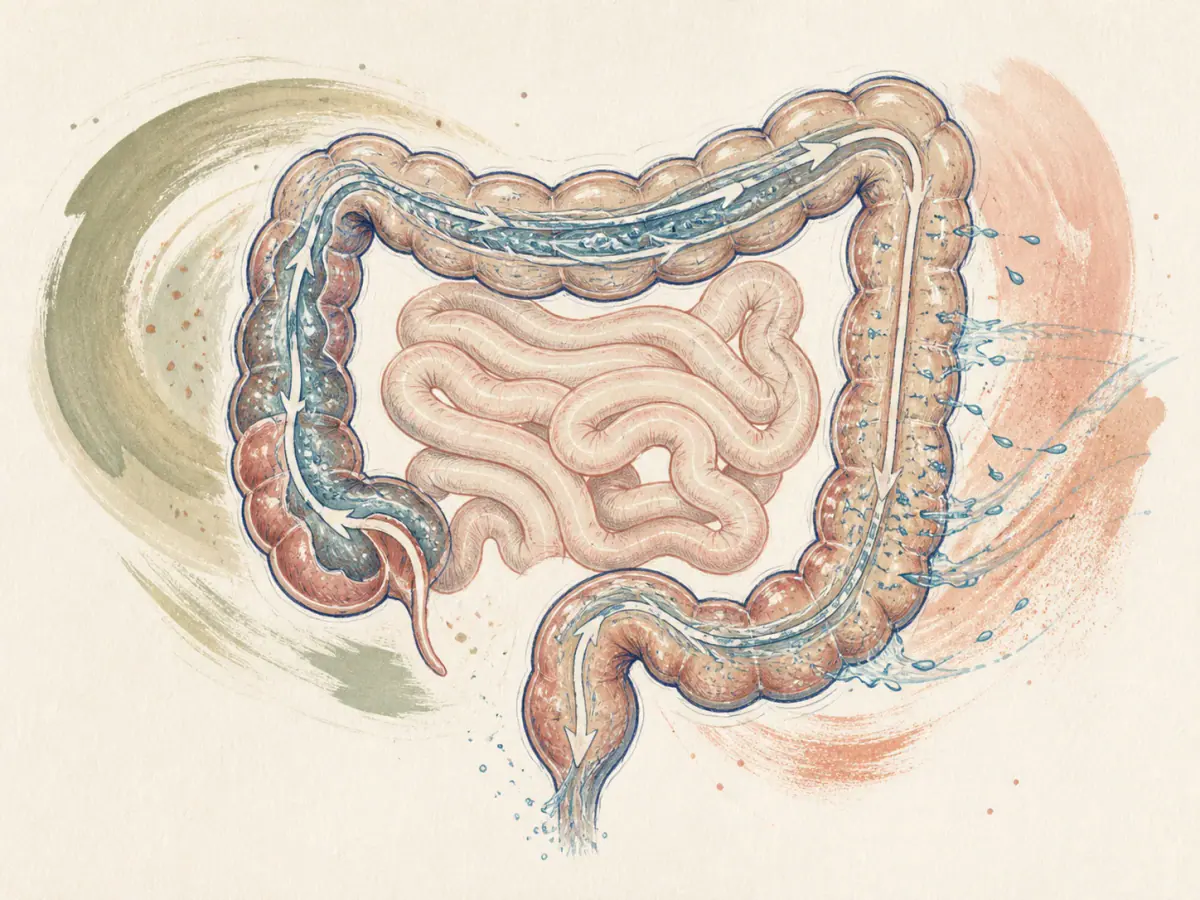
Distinguishing the duration of loose stools, nighttime symptoms, and the timing before and after food or medication intake helps in determining the priority of tests.
The illustrations showing the processes occurring in the body are simplified explanations to help understand the location and changes of symptoms; they do not represent an individual's test results or treatment outcomes.If you have had these experiences
For those whose loose stools have continued for over 4 weeks and are seeking the cause and treatment sequence
After first ruling out infection, inflammation, medication, and intolerance, if diarrhea persists, Korean herbal medicine is prescribed based on the absorption capacity of the spleen and stomach, coldness in the lower abdomen, tension-induced bowel movements, damp-heat, and food reactions.
For those who have experienced recurring loose stools before work and after meals for over a month and are concerned about whether it is okay to take antidiarrheals daily
When loose stools recur for 4 weeks or more despite no urgent cause found in tests
For those who search for the nearest restroom before meetings, school, or driving, and have reduced eating out, yet find their daily activity range continuing to shrink
Even after using antidiarrheals or probiotics, the urgency after meals and abdominal painincomplete evacuation remain even after changing antidiarrheals, laxatives, or probiotics
For those who have tried antidiarrheals, probiotics, or restricting dairy products, but want to know why symptoms recur and when to add Korean medicine treatment after tests
When diarrhea is distinct after tension, cold, fatigue, or specific meals
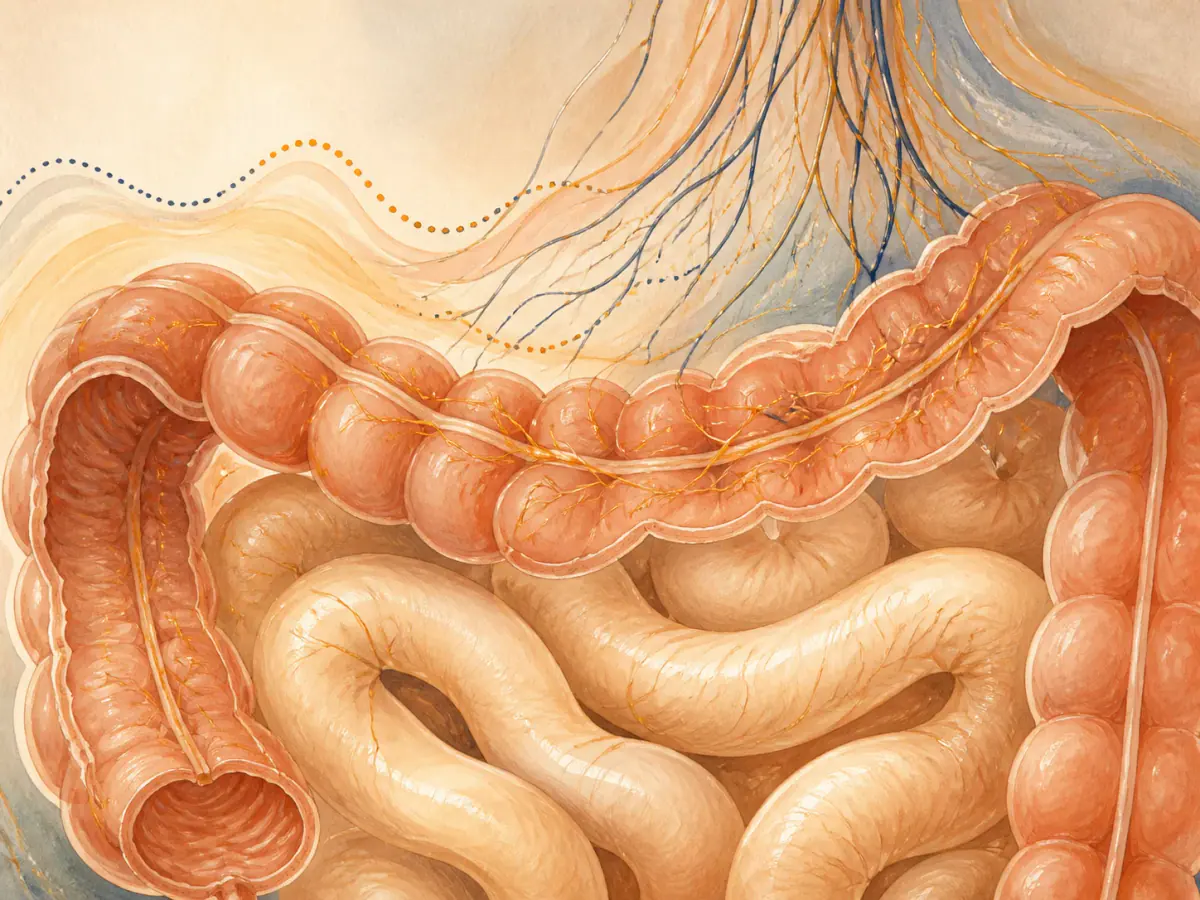
Even without structural damage, if the interaction between intestinal motility and sensation changes, abdominal pain, diarrhea, and constipation may recur.
Conceptual reference · NIDDK: Irritable Bowel SyndromeThis is how we approach the medical evaluation
Chronic Diarrhea: Why we examine both test results and dietary discomfort
If loose stools continue for more than 4 weeks or repeat a cycle of improving and worsening, it is time to analyze the cause rather than simply reducing the frequency with antidiarrheals. Organizing the start date, whether you wake up at night, foods eaten and medications taken, weight changes, and the shape of the stool helps determine whether to first check for food intolerance, medication, infection, inflammatory diseases, or functional diarrhea.
Identifying symptoms that have suddenly changed and require prompt medical evaluation
Changes such as black or red bloody stools, pus, or severe abdominal pain require immediate medical evaluation first.
Examining the time and situation when symptoms occurred
Record the daily frequency, Bristol stool form, whether you wake up at night, urgency, and whether stools are greasy.
Set treatment goals based on the activities you wish to resume
Track changes by deciding which discomfort to reduce first among restroom frequency during the commute, urgency after meals, eating out, or sleep disturbance.
Reasons why it may not heal well
Chronic Diarrhea: Why meals remain uncomfortable even after tests
After ruling out infection, inflammation, medication, or intolerance, if diarrhea persists, we prescribe herbal medicine by analyzing the absorption capacity of the spleen and stomach, coldness in the lower abdomen, tension-induced bowel movements, damp-heat, and food reactions.
Distinguish between morning, post-meal, and nighttime diarrhea
The approach differs depending on whether the urgency occurs upon waking, immediately after eating, or wakes you from sleep.
Examine abdominal pain and lethargy masked by antidiarrheals
Check if abdominal paintenesmusor fatigue remains even if the frequency has decreased.
Aim for recovery that allows you to eat and stay active
We monitor not only the frequency of stools but also weight, diet, outings, and overall energy levels.
How to keep a symptom timetable
Chronic Diarrhea: Meal schedules are more important than food names
If you provide the frequency, shape, and timing of bowel movements over the last 1 to 2 weeks, along with meals, medications, weight changes, and test results, we can distinguish between areas requiring further evaluation and those to be addressed with herbal medicine treatment.
List the activities you avoided due to searching for a restroom
Specifying in which situations, such as the commute, meetings, school, exercise, or eating out, the urgency is most severe makes the actual treatment goal clearer. The goal is not just to reduce numbers, but to reclaim the daily life you have put on hold.
Mark diarrhea that wakes you up at night separately
The order of evaluation varies depending on whether symptoms recur only immediately after daytime meals or if they wake you up during sleep. If nocturnal diarrhea is accompanied by weight loss or anemia, we investigate other causes rather than dismissing it as a functional issue.
Please record the stool shape and the sense of urgency in the same section.
Record the Bristol stool form, daily frequency, degree of urgency, whether it appears greasy, and whether abdominal pain decreased after bowel movements in the same format for 1–2 weeks.
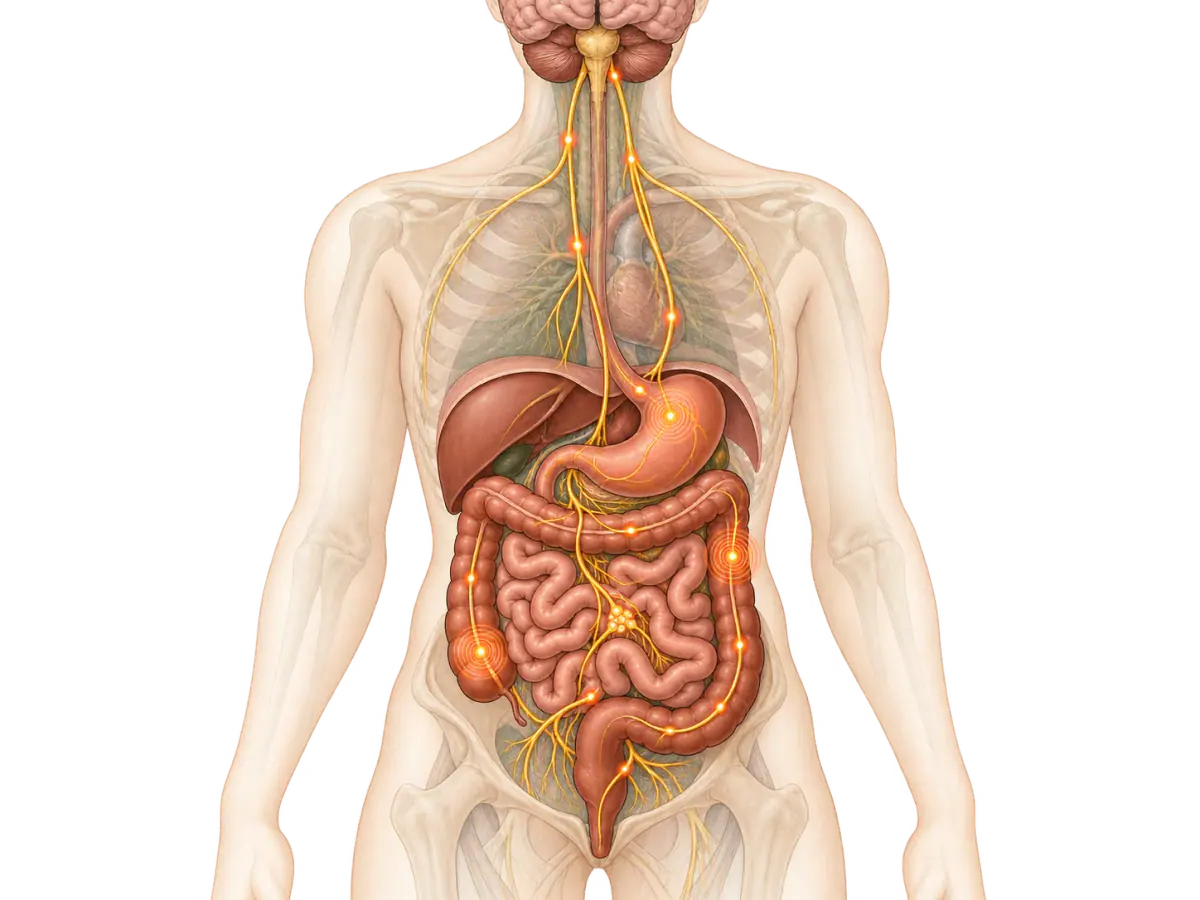
Even if tests show no significant structural abnormalities, the regulation of the autonomic and enteric nervous systems, sensory sensitivity, and motility rhythms can vary depending on meals, sleep, and stress.
Conceptual reference · NIDDK: Disorders of Gut-Brain InteractionKorean herbal medicine pattern identification for chronic diarrhea
Why prescriptions for chronic diarrhea differ based on cold sensations, stagnation, heat, or tension
While all involve loose stools, we distinguish between the deficiency type (immediate bowel movements after eating), the cold type (significant cold sensations and early morning symptoms), the tension type (urgent when nervous), and the damp-heat type (heat sensations and mucus).
When you have loose stools soon after eating and tire easily
We look for postprandial diarrhea, undigested stool, abdominal weakness, and weight loss. We ask about loss of appetite, postprandial drowsiness, fatigue, and changes in complexion. We strengthen the absorption and energy of the spleen and stomach to reduce accelerated intestinal motility after meals.
When you wake up at dawn, feel cold in the lower abdomen, and feel comfortable when warm
We check if early morning diarrhea, abdominal pain, and watery stools worsen in the cold. We check for cold hands and feet, lower back pain, nocturia, and morning lethargy. We warm the yang energy of the spleen and kidneys and the lower abdomen to help the intestines' retention and absorption capacity.
When your stomach cramps and becomes urgent before work or meetings
We look for abdominal pain and urgency immediately after tension, and improvement after bowel movements. We ask if these changes in bowel movements overlap with palpitations, anxiety, or lack of sleep. Autonomic nervous systemTreatment focuses on soothing the liver and strengthening the spleen to reduce intestinal hypersensitivity and spasms.
Changes to monitor during treatment
Recovery to observe in the next meal
The goal is to reduce postprandial or morning urgency and loose stools, restoring predictability to meals, outings, and sleep.
Time of bowel movement, form, and whether it occurs at night
Record the 'time of bowel movement, form, and whether it occurs at night' along with the time before and after meals to see if the amount eaten and the time it takes to feel comfortable actually change.
Abdominal pain, urgency, and energy levels after bowel movements
Record 'abdominal pain, urgency, and energy levels after bowel movements' along with the time before and after meals to see if the amount eaten and the time it takes to feel comfortable actually change.
Weight, diet, cold sensations, tension, and medications
Record 'weight, diet, cold sensations, tension, and medications' along with the time before and after meals to see if the amount eaten and the time it takes to feel comfortable actually change.
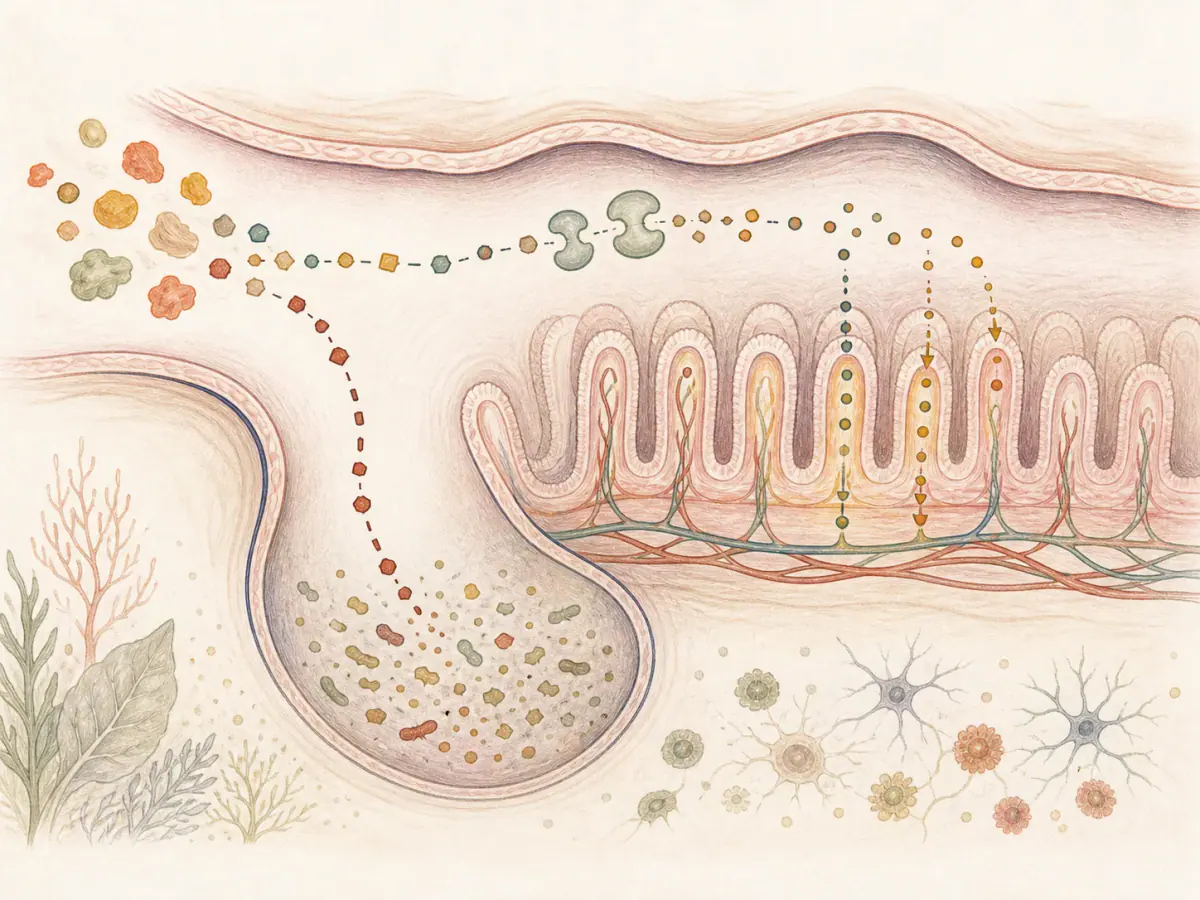
Food intolerance is different from an allergy; rather than indiscriminate restriction, record whether reactions recur with the same food and amount.
Conceptual reference · NIDDK: Lactose IntoleranceAt the crossroads of gastrointestinal motility, sensation, and the gut-brain response
Chronic diarrhea is categorized into Spleen Qi Deficiency, Spleen and Kidney Yang Deficiency, Liver-Spleen Disharmony, and Large Intestine Damp-Heat.
While loose stools are a common symptom, we distinguish between the deficiency type (immediate bowel movements after eating), the cold type (early morning movements and significant cold sensations), the tension type (urgency when nervous), and the damp-heat type (heat sensations and mucus).
Pattern identification is not about arbitrarily adding a disease name to test results. A single person may experience a combination of decreased gastric motility, hypersensitivity, body heat, cold sensations, and tension; if the primary symptoms change based on diet, bowel movements, or sleep, the proportions of the prescription are adjusted accordingly.
When you experience loose stools shortly after eating and tire easily
- Changes to observe in digestive symptoms
- We check for postprandial diarrhea, undigested stools, abdominal weakness, and weight loss.
- Changes to observe in the rest of the body
- We ask about loss of appetite, drowsiness after meals, fatigue, and changes in complexion.
- Prescription priority
- We strengthen the absorption and Qi of the spleen and stomach to reduce excessive intestinal motility after meals.
When you wake up in the early morning, feel cold in the lower abdomen, and feel better when warm
- Changes to observe in digestive symptoms
- We check for early morning diarrhea, abdominal pain, and whether watery stools worsen in the cold.
- Changes to observe in the rest of the body
- We check for cold hands and feet, lower back pain, nocturia, and morning lethargy.
- Prescription priority
- We warm the Yang energy of the spleen and kidneys and the lower abdomen to improve the intestines' ability to hold and absorb.
When your stomach cramps and urgency increases before work or meetings
- Changes to observe in digestive symptoms
- We check for abdominal pain and urgency immediately after becoming nervous, and improvement after bowel movements.
- Changes to observe in the rest of the body
- We ask if palpitations, anxiety, lack of sleep, and changes in stool occur together.
- Prescription priority
- The focus is on soothing the liver and strengthening the spleen to reduce autonomic nervous system-related intestinal hypersensitivity and spasms.
When there are strong-smelling stools, heat sensations in the anus, or mucus
- Changes to observe in digestive symptoms
- We check for loose stools, abdominal pain, mucus, and burning sensations.
- Changes to observe in the rest of the body
- We check for thirst, a feeling of heaviness in the body, and worsening symptoms after drinking alcohol or eating greasy foods.
- Prescription priority
- After first ruling out symptoms suggestive of inflammation, we reduce damp-heat and excessive intestinal motility.
Order of prescription adjustment
- First, we rule out nighttime symptoms, bleeding, and weight changes
We identify symptoms that must be re-verified before considering the condition as functional.
- We determine the primary cause among deficiency, cold sensation, tension, or heat
The timing of diarrhea and systemic clues are linked to the prescription.
- Adjustments are made based on the urgency and recovery of eating habits over 7 days.
We monitor whether stool form and frequency, as well as outings, sleep, and energy levels, improve together.
Why consider Korean herbal medicine treatment now?
- When loose stools recur for 4 weeks or more despite no urgent cause found in tests
- When urgency after meals and abdominal pain persist even after using antidiarrheals or probiotics
- When diarrhea is distinct after tension, cold, fatigue, or specific meals
What is evaluated in herbal medicine treatment for this condition
- Timing, form, and whether bowel movements occur at night
- Abdominal pain, urgency, and energy levels after bowel movements
- Weight, diet, sensitivity to cold, tension, and current medications
Identifying symptoms that have suddenly changed and require prompt medical evaluation
Changes such as black or red bloody stools, pus, or severe abdominal pain require immediate priority for related medical evaluation.
Examining the time and situation when symptoms occurred
Record the daily frequency, Bristol stool form, whether you wake up at night, urgency, and whether stools are greasy.
Set treatment goals based on activities you wish to resume
Track changes by deciding which discomfort to reduce first among the number of restroom visits on the way to work, urgency after meals, eating out, or sleep disturbance.
Things to prepare before the consultationIf you bring the frequency, form, and timing of bowel movements from the last 1-2 weeks, along with your diet, medications, weight changes, and test results, we can distinguish between areas requiring further evaluation and those to be addressed with Korean herbal medicine treatment.
If bleeding, anemia, worsening difficulty swallowing, persistent vomiting, unexplained weight loss, or nighttime diarrhea newly occur, they must be re-evaluated even if past tests were normal. After ruling out these cases, we focus on herbal medicine treatment for chronic or recurring functional digestive symptoms.
Consult about chronic diarrhea progressGastrointestinal Glossary
Additional information to know regarding chronic diarrhea
You can proceed to a detailed explanation after confirming the simple meaning.Frequently Asked Questions
Frequently Asked Questions about chronic diarrhea
Can I continue taking antidiarrheals for chronic diarrhea?
Avoid repeated use before the cause is identified; specifically, if there is bloody stool or fever, you must consult a medical professional.
Do I have to cut out all dairy products?
Lactose intoleranceWhen this is suspected, testing is conducted based on records and examinations; not all food groups are restricted simultaneously.
Can probiotics be used as a treatment?
The evidence varies depending on the strain and the cause, and effectiveness has not been established for all types of chronic diarrhea.
What other symptoms of chronic diarrhea are there besides loose stools?
Along with loose, watery stools more frequent than usual, you may experience a sudden urge to defecate, abdominal cramping or pain, difficulty holding stool, and nausea. If this persists, weight loss may occur, or dehydration and malabsorption may be suspected, and bloody stools orBlack stools· stools mixed with pus, fever, vomiting, or dizziness, please seek a prompt medical evaluation to determine the cause.
What should I do if tests are normal but diarrhea continues?
If significant inflammation, infection, or malabsorption has been ruled out, functional diarrhea, irritable bowel syndrome, or reactions to medication and diet are re-examined. In this case, records of stools, diet, and medications taken for 1 to 2 weeks are helpful in choosing the next treatment.
When can Korean medicine treatment be considered?
When post-meal urgency, abdominal pain, or bowel discomfort recurs despite maintaining necessary digestive evaluations and cause-specific treatments, you may consult regarding the goals of Korean herbal medicine treatment. It is not recommended to arbitrarily stop existing medications or delay evaluations for bleeding or dehydration.
Evidence and Update Information
Dr. Choi Yeon-seung, a Korean medicine doctor, composed this based on the official professional materials and disease-specific clinical data below, and updated the content on 2026-08-26.
- NIDDK: Treatment of DiarrheaFluid and electrolyte supplementation and treatment by cause of chronic diarrhea
- NIDDK: Diagnosis of DiarrheaSelection of stool, blood, and endoscopy tests based on duration, medication, and travel history
- NIDDK: Symptoms & Causes of DiarrheaAccompanying symptoms of diarrhea, weight loss, dehydration, malabsorption during chronic progression, and symptoms requiring medical evaluation
- NIDDK: IBS symptoms and causesRecurring abdominal pain associated with bowel movements, changes in bowel habits (diarrhea, constipation, or mixed), bloating, and a feeling of incomplete evacuation
- NICE: IBS in adults recommendationsRelationship between abdominal pain and bowel movements, urgency, feeling of incomplete evacuation, bloating, worsening after meals, and red-flag symptoms that should not be ignored